From Haulier to Architect
Table of Contents
* Are you a Scandinavian haulage firm feeling the squeeze? This white paper unveils how embracing data sovereignty and strategic technology can transform your business from a traditional 3PL to a profitable, future-proof 4PL. Learn how to leverage your data to build stronger customer relationships and secure your place in a competitive market, without compromising on trust. *
Unlock Exponential Growth: Transform Your Scandinavian Haulage Firm into a Data-Driven 4PL Powerhouse. Are you a Scandinavian SME haulage firm struggling with razor-thin margins? Discover how to leverage data sovereignty and strategic technology to evolve from a traditional 3PL to a high-value 4PL, securing your future in a fiercely competitive market.
Executive summary
European transport margins are at historic lows, pushing many SME haulage firms to consider the 4PL model – managing the network, not just the trucks – as their only path forward. However, many 4PL transformations fail due to a critical oversight: investing in "digital integration" on public cloud platforms exposes sensitive data to foreign legislation like the US CLOUD Act, undermining the trust essential for a 4PL partnership. This deep dive report presents a strategic framework for a sustainable 4PL transformation, arguing that success hinges not on connecting apps, but on building a unified, intelligent, and, above all, data-sovereign operating system as your new core asset.
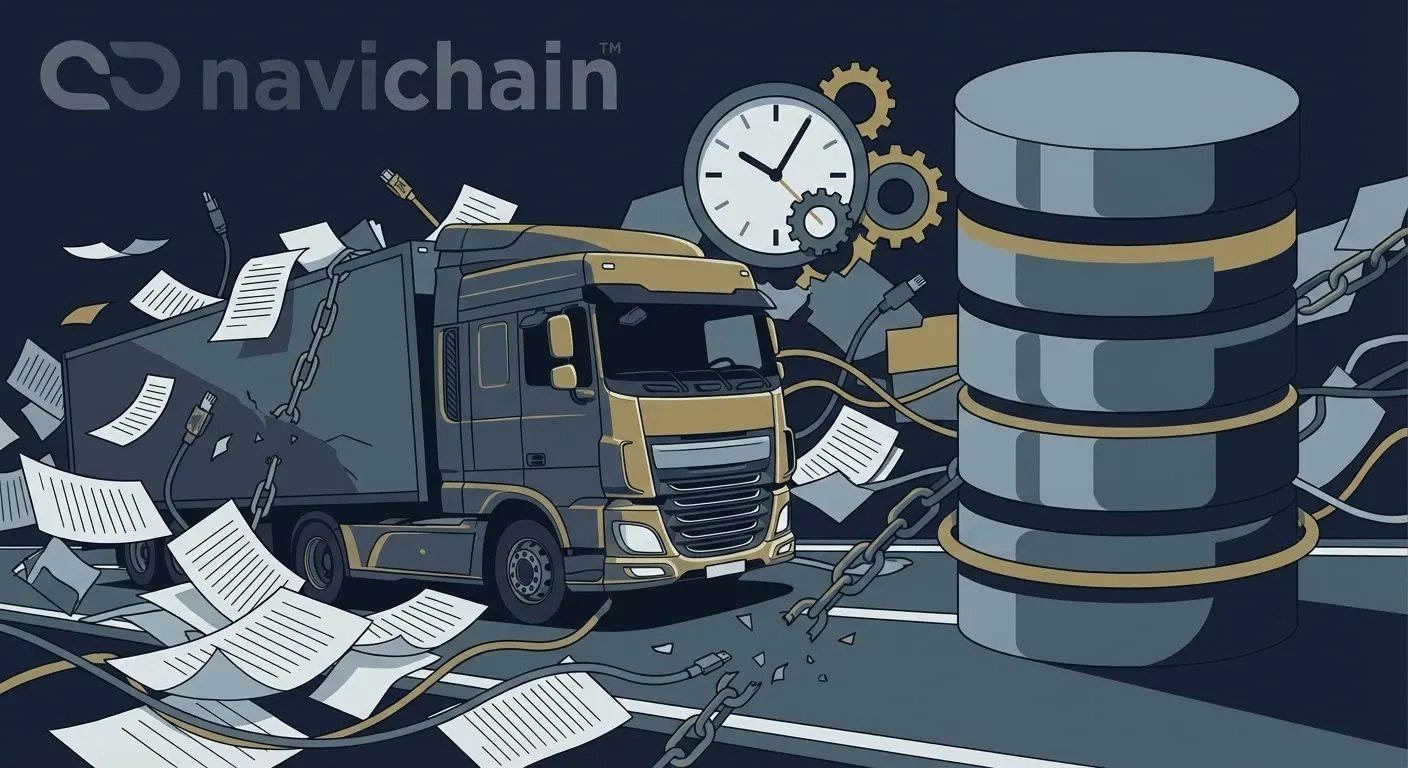
Fragmented IT infrastructure prevents the real-time, end-to-end visibility crucial for a successful 4PL transition, resulting in operational bottlenecks and suboptimal decision-making.
Introduction: The shifting sands of european logistics
The European logistics landscape is undergoing a seismic shift. Traditional models are being challenged by rising costs, increased competition, and the ever-growing demand for transparency and efficiency. For Scandinavian SME haulage firms, this translates into a constant battle against shrinking margins and the looming threat of being outmaneuvered by larger, more agile players. In this environment, the concept of the Fourth-Party Logistics provider (4PL) has emerged not as a mere buzzword, but as a potential lifeline – a strategic evolution that promises to transform haulage firms from simple executors to orchestrators of entire supply chains. This report delves into the intricacies of this transformation, highlighting the challenges, opportunities, and the critical importance of data sovereignty in building a successful and sustainable 4PL business.
Section 1: The challenge: the 4PL imperative and the cost of inaction
The pressure on Scandinavian SME haulage firms is relentless. Fuel prices fluctuate wildly, labor costs are on the rise, and the driver shortage continues to plague the industry. These operational challenges are compounded by the increasing demands of customers who expect faster, cheaper, and more transparent delivery services. In this cutthroat environment, simply moving goods from point A to point B is no longer enough to guarantee survival. The 4PL model offers a compelling alternative. By transitioning from a traditional 3PL (Third-Party Logistics) provider, which focuses on executing specific logistics functions like transportation and warehousing, to a 4PL, a company can position itself as a strategic partner that manages the entire supply chain. This includes designing, optimizing, and overseeing all aspects of the logistics process, often by integrating and managing other 3PL providers. However, the path to becoming a successful 4PL is fraught with challenges. Many SME haulage firms rush into 4PL transformations without fully understanding the complexities involved, leading to disappointing results and wasted investments. The cost of inaction, however, is even greater. Companies that fail to adapt to the changing landscape risk being left behind, losing market share to more agile competitors, and ultimately facing extinction.
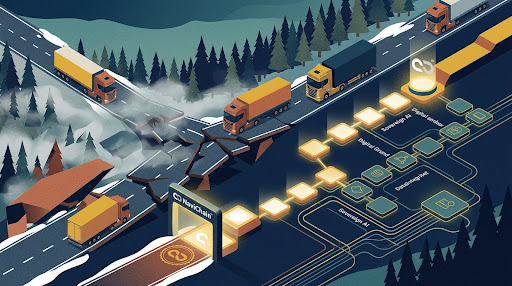
*The challenges facing Scandinavian SME haulage firms in a competitive market.
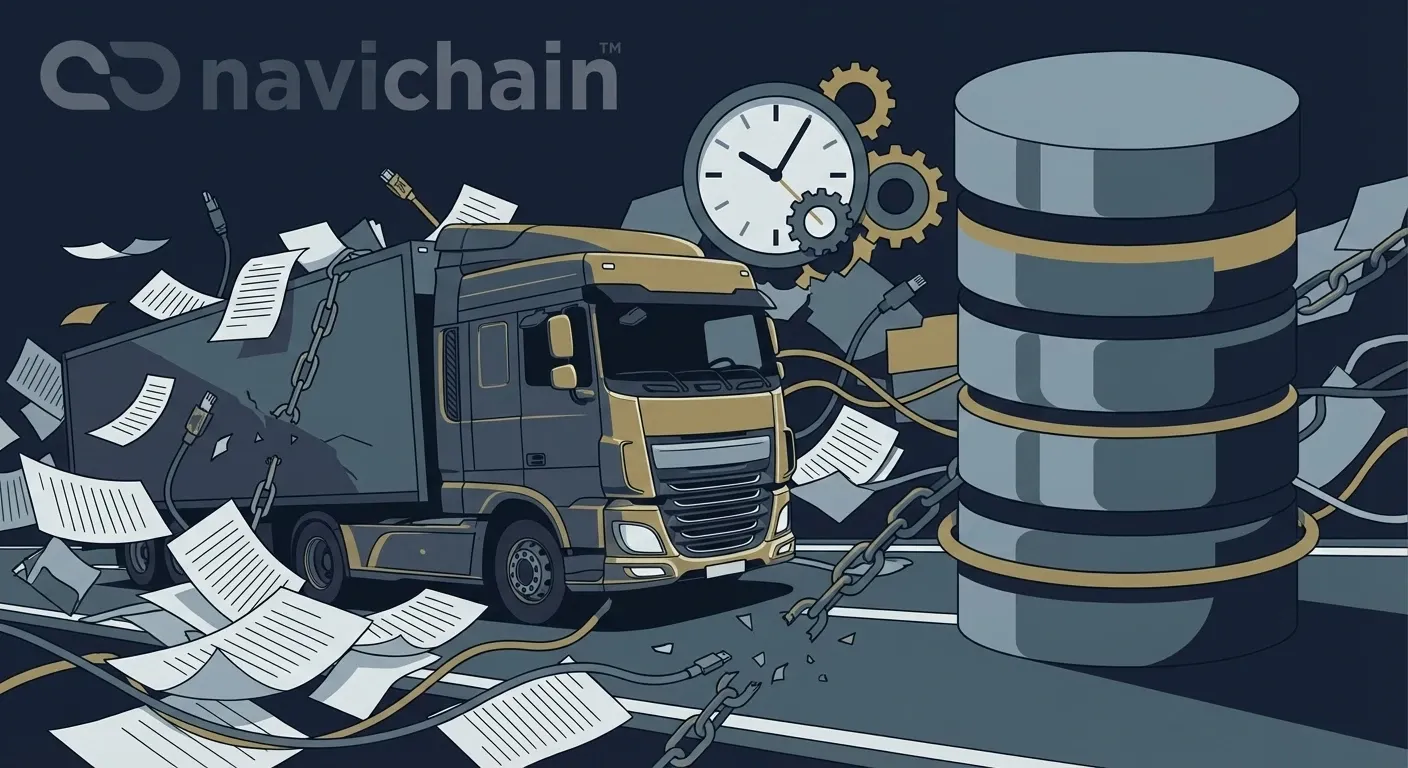
Rising fuel costs, driver shortages, and demanding customers squeeze SME haulage firms, highlighting the urgent need for innovative solutions like the 4PL model.
Section 2: The context/data: industry trends, paradoxes, and statistics
The European logistics market is a complex and dynamic ecosystem characterized by several key trends and paradoxes. Understanding these trends is crucial for SME haulage firms looking to navigate the transition to a 4PL model successfully. Key Industry Trends: * Increasing Demand for E-commerce Logistics: The rapid growth of e-commerce is driving demand for faster, more flexible, and more transparent delivery services.
- Rising Customer Expectations: Customers are demanding greater visibility and control over their shipments, as well as more personalized and responsive service.
- Growing Importance of Sustainability: Environmental concerns are driving demand for more sustainable logistics solutions, such as electric vehicles, alternative fuels, and optimized routing.
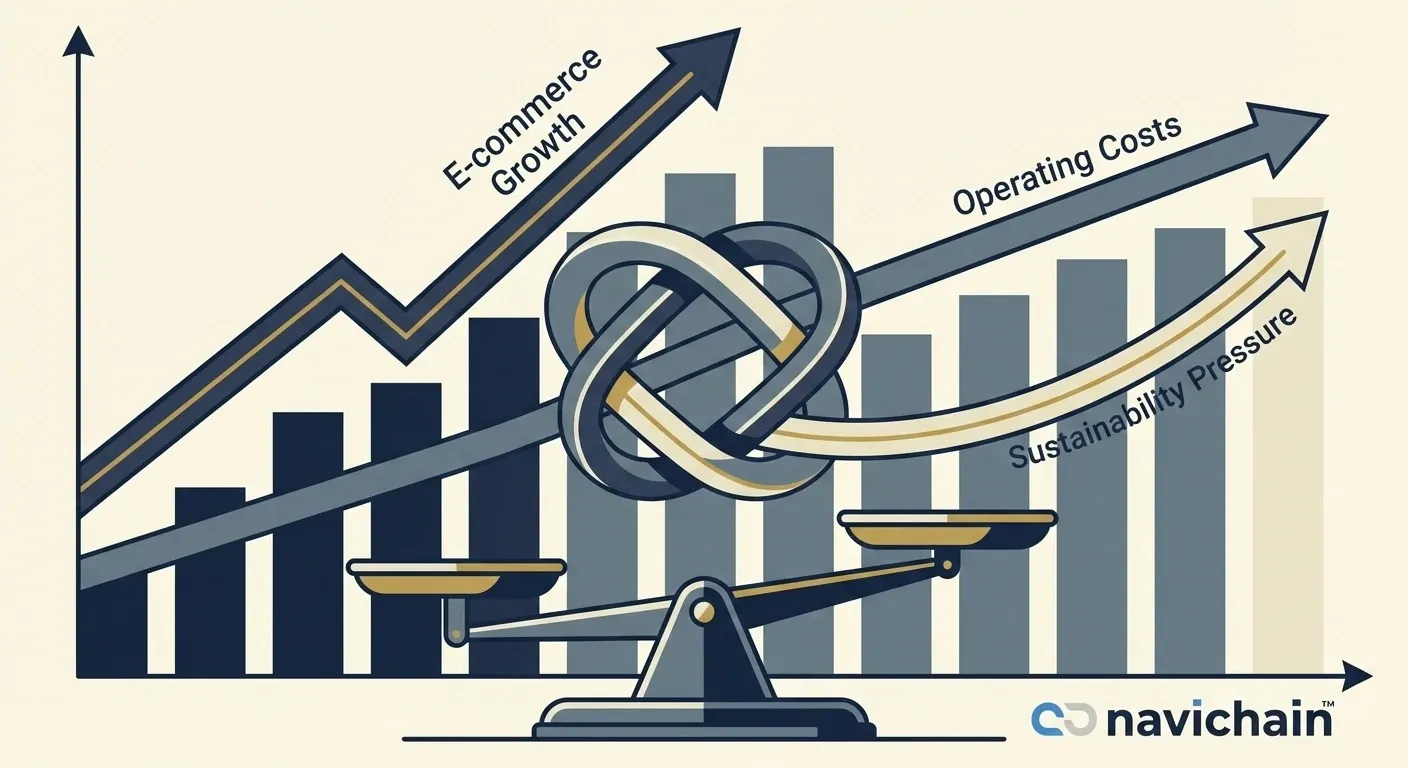
Growth in e-commerce, rising customer expectations, and sustainability concerns are key trends shaping the evolving European logistics landscape.
- Adoption of Digital Technologies: Companies are increasingly adopting digital technologies such as cloud computing, artificial intelligence, and the Internet of Things (IoT) to improve efficiency, reduce costs, and enhance customer service.
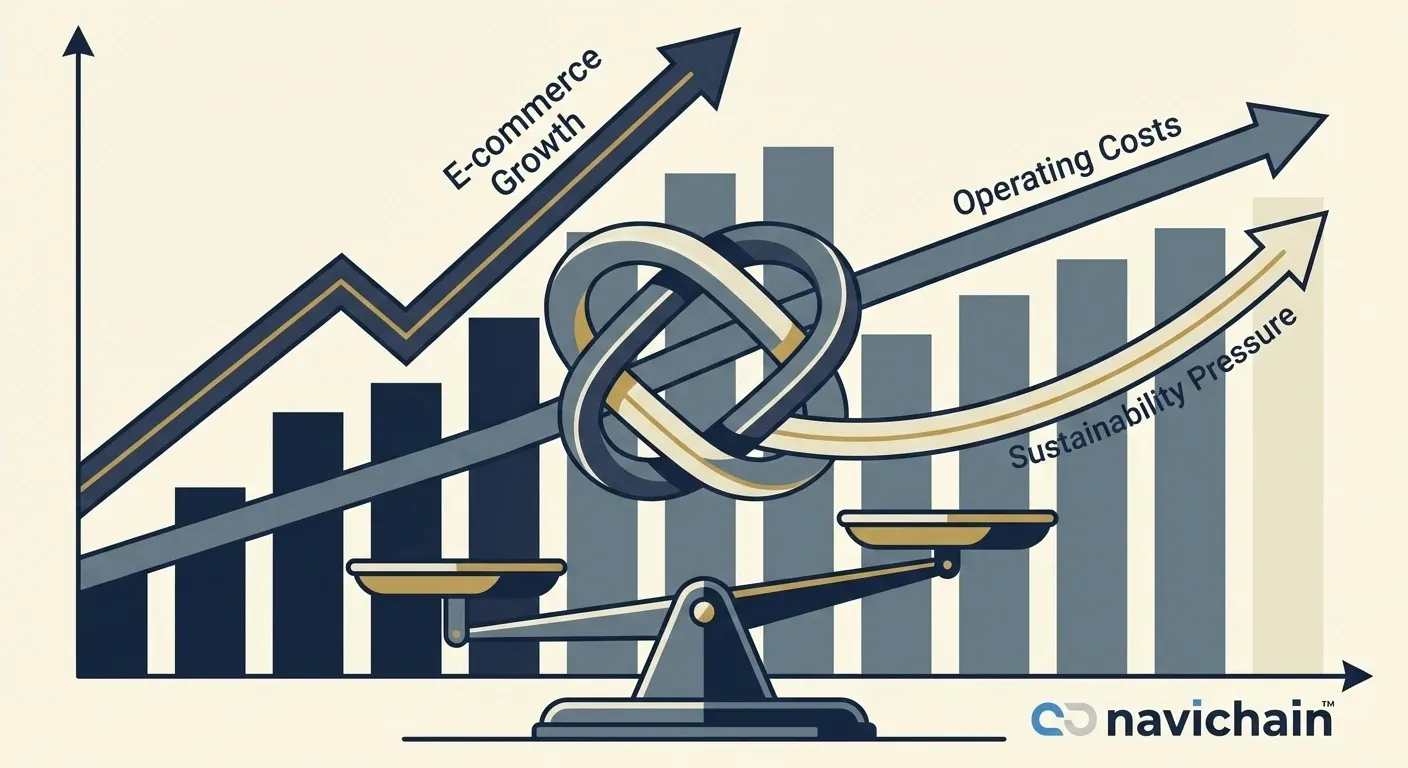
Growth in e-commerce, rising customer expectations, and sustainability concerns are key trends shaping the evolving European logistics landscape, as illustrated in the chart.
- Consolidation of the Logistics Market: The logistics market is becoming increasingly consolidated, with larger players acquiring smaller companies to expand their reach and capabilities. Key Paradoxes:
- The Efficiency Paradox: While technology promises increased efficiency, many companies struggle to realize these benefits due to fragmented systems, data silos, and a lack of integration.
- The Transparency Paradox: Customers demand greater transparency, but companies are often reluctant to share sensitive data with partners and suppliers.
- The Sustainability Paradox: While companies are committed to sustainability, they often struggle to balance environmental concerns with economic realities. Relevant Statistics:
- According to the International Road Transport Union (IRU), operating costs for European haulage firms have increased by over 15% in the past 24 months.
- A recent study by McKinsey found that companies that invest in digital supply chain technologies can achieve a 20% reduction in logistics costs.
- Research by Gartner indicates that the 4PL market is expected to grow at a compound annual growth rate (CAGR) of over 10% in the next five years.
- A survey by the European Commission found that data security and privacy are major concerns for companies that use cloud computing services. These trends, paradoxes, and statistics highlight the challenges and opportunities facing Scandinavian SME haulage firms. To succeed in this environment, companies must embrace digital transformation, prioritize data sovereignty, and develop a clear strategic vision for their 4PL journey.
Schematic illustrating the shift from traditional haulage operations to a data-centric 4PL model, emphasizing the importance of data sovereignty.
*Key trends and paradoxes shaping the European logistics market.
Visual representation of the critical trends and inherent paradoxes influencing the evolution of the European logistics landscape.
Section 3: The strategic solution: a data-centric approach to 4PL transformation
The key to a successful 4PL transformation lies in adopting a data-centric approach that prioritizes the creation of a unified, intelligent, and data-sovereign operating system. This involves more than simply implementing new software; it requires a fundamental shift in mindset and a commitment to building a culture of data-driven decision-making. 1. Data Unification: Break down data silos by integrating all relevant data sources into a single, unified platform. This includes data from internal systems (TMS, WMS, ERP) as well as data from external partners (3PL providers, carriers, suppliers). 2. Data Governance: Establish clear data governance policies and procedures to ensure data quality, accuracy, and consistency. This includes defining data ownership, establishing data standards, and implementing data validation rules. 3. Data Analytics: Leverage data analytics tools and techniques to extract insights from the unified data platform. This includes identifying trends, patterns, and anomalies that can be used to optimize logistics operations, improve customer service, and reduce costs. 4. Data Security: Implement robust data security measures to protect sensitive data from unauthorized access, use, or disclosure. This includes encryption, access controls, and regular security audits. 5. Data Sovereignty: Ensure that all data is stored and processed within the European Union, under the jurisdiction of European law. This is crucial for complying with GDPR and protecting sensitive data from foreign surveillance. 1. Assess Current State: Conduct a thorough assessment of the current state of your logistics operations, identifying pain points, inefficiencies, and areas for improvement. 2. Define Strategic Objectives: Define clear strategic objectives for your 4PL transformation, such as reducing costs, improving customer service, or expanding into new markets. 3. Select the Right Technology Platform: Choose a technology platform that meets your specific needs and requirements, prioritizing data unification, data governance, data analytics, data security, and data sovereignty. 4. Implement the Platform: Implement the technology platform in a phased approach, starting with the most critical areas of your logistics operations. 5. Train Your Team: Provide comprehensive training to your team on how to use the new technology platform and how to leverage data to make better decisions. 6. Monitor and Optimize: Continuously monitor the performance of your logistics operations and optimize your processes based on data insights.
Section 4: The tech enabler (Navichain): building a data-sovereign 4PL with Navichain SaaS
Navichain offers a powerful and unique solution for Scandinavian SME haulage firms seeking to transform into successful 4PL providers. Unlike traditional cloud-based platforms that expose data to foreign legislation, Navichain provides a data-sovereign alternative, ensuring compliance with GDPR and building trust with customers and partners. Navichain SaaS is a comprehensive, cloud-based platform designed specifically for the logistics industry. It provides a unified operating system that integrates all core logistics functions, including: * Transport Management (TMS): Optimize transportation routes, manage carriers, and track shipments in real-time.
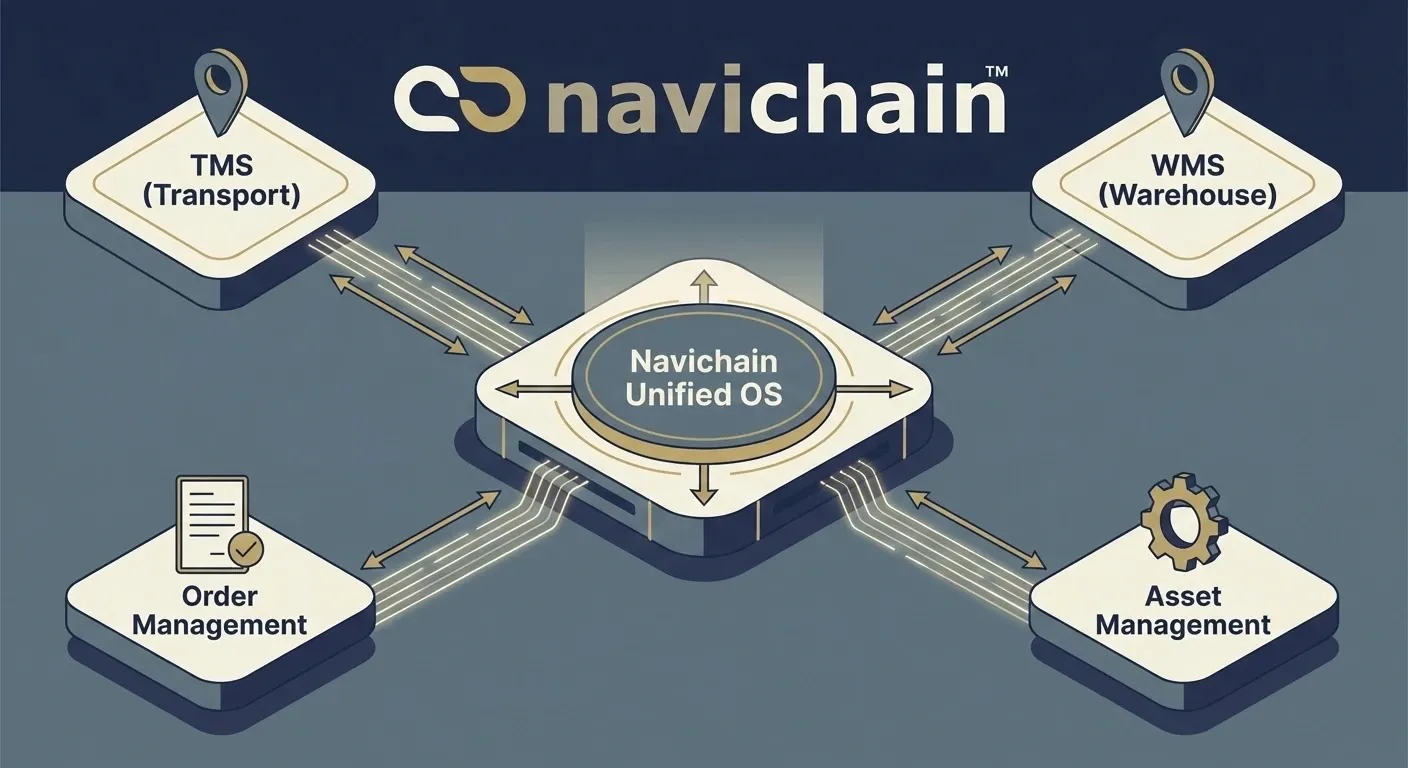
A schematic illustrating the data flow and integration capabilities of the Navichain SaaS platform, highlighting its key modules for transport, warehouse, and order management.
- Warehouse Management (WMS): Streamline warehouse operations, improve inventory accuracy, and reduce fulfillment times.
- Order Management: Manage orders from multiple channels, automate order processing, and improve order visibility.
- Asset Management: Track and manage your assets, including vehicles, trailers, and equipment.
Navichain empowers haulage firms to evolve into successful 4PL providers by leveraging data sovereignty for enhanced control and profitability.
- Billing and Invoicing: Automate billing and invoicing processes, reduce errors, and improve cash flow. The Navichain Unified OS provides a single source of truth for all logistics data, eliminating data silos and enabling data-driven decision-making. This unified platform allows you to:
- Gain Real-Time Visibility: Track shipments, monitor inventory levels, and identify potential disruptions in real-time.
- Improve Collaboration: Collaborate with partners and suppliers more effectively by sharing data and insights in a secure and transparent manner.
- Optimize Logistics Operations: Identify opportunities to optimize routes, reduce costs, and improve efficiency.
- Enhance Customer Service: Provide customers with real-time updates on their shipments and respond to their inquiries more quickly and effectively. Navichain leverages AI-driven analytics to provide you with actionable insights that can help you optimize your logistics operations and improve your bottom line. These AI-powered features include:
- Predictive Analytics: Forecast demand, predict potential disruptions, and optimize inventory levels.
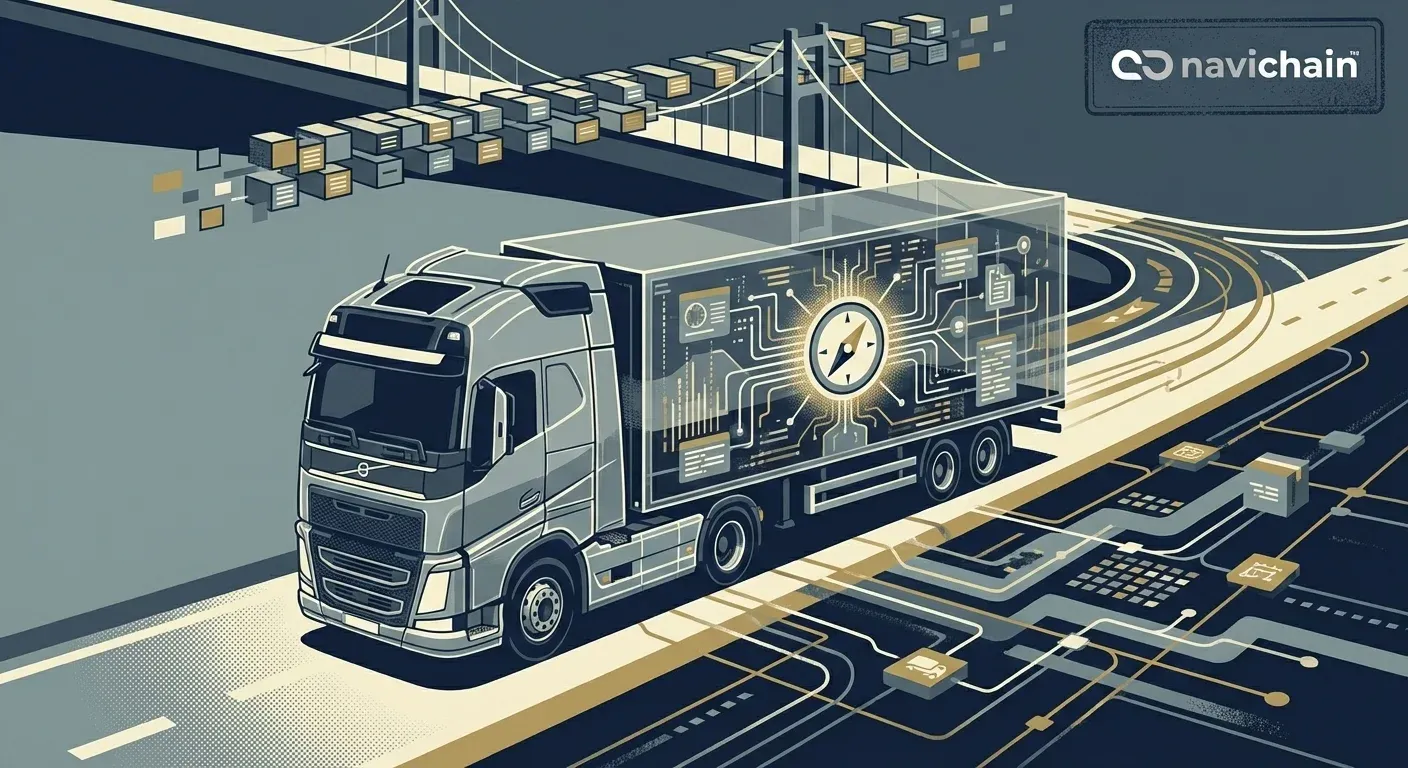
AI-driven insights enable informed decision-making, driving efficiency and profitability in 4PL logistics strategies.
- Route Optimization: Identify the most efficient routes for your shipments, taking into account factors such as traffic, weather, and road conditions.
- Anomaly Detection: Identify and alert you to potential problems, such as delays, errors, or security breaches. Data Sovereignty: Your Competitive Advantage Navichain is committed to data sovereignty. All data is stored and processed within the European Union, under the jurisdiction of European law. This ensures compliance with GDPR and protects your sensitive data from foreign surveillance. This commitment to data sovereignty is a key differentiator for Navichain and provides you with a significant competitive advantage in the European market. By choosing Navichain, Scandinavian SME haulage firms can build a data-sovereign 4PL business that is both efficient and secure, building trust with customers and partners and positioning themselves for long-term success.
*Navichain: Enabling data-sovereign 4PL solutions.
.jpeg)
Navichain's platform architecture underscores its commitment to data sovereignty, ensuring compliance with EU regulations for secure and efficient 4PL solutions within the European market.
Section 5: Business outcomes: ROI, efficiency gains, and strategic resilience
The implementation of a data-centric 4PL strategy, powered by a platform like Navichain, delivers significant business outcomes for Scandinavian SME haulage firms. These outcomes extend beyond simple cost savings and encompass strategic resilience, improved customer satisfaction, and a stronger competitive position. Quantifiable ROI: * Reduced Logistics Costs: Optimized routes, improved inventory management, and automated processes can lead to a significant reduction in logistics costs, often exceeding 20%.
- Increased Revenue: Improved customer service, faster delivery times, and the ability to offer more value-added services can lead to increased revenue and market share.
- Improved Cash Flow: Automated billing and invoicing processes can reduce errors and improve cash flow. Efficiency Gains:
- Increased Productivity: Streamlined processes and automated tasks can free up your team to focus on more strategic activities.
- Reduced Errors: Data unification and automated validation rules can reduce errors and improve data accuracy.
- Faster Delivery Times: Optimized routes and improved coordination can lead to faster delivery times and improved customer satisfaction. Strategic Resilience:
- Improved Visibility: Real-time visibility into your supply chain allows you to identify and respond to potential disruptions more quickly and effectively.
- Enhanced Agility: A data-driven approach allows you to adapt to changing market conditions and customer demands more quickly and effectively.
- Stronger Competitive Position: A data-sovereign 4PL business is better positioned to compete in the European market, building trust with customers and partners and attracting top talent. By embracing a data-centric 4PL strategy and leveraging a platform like Navichain, Scandinavian SME haulage firms can transform their businesses, achieve significant ROI, and build a more resilient and competitive future.
*The benefits of a data-centric 4PL strategy.
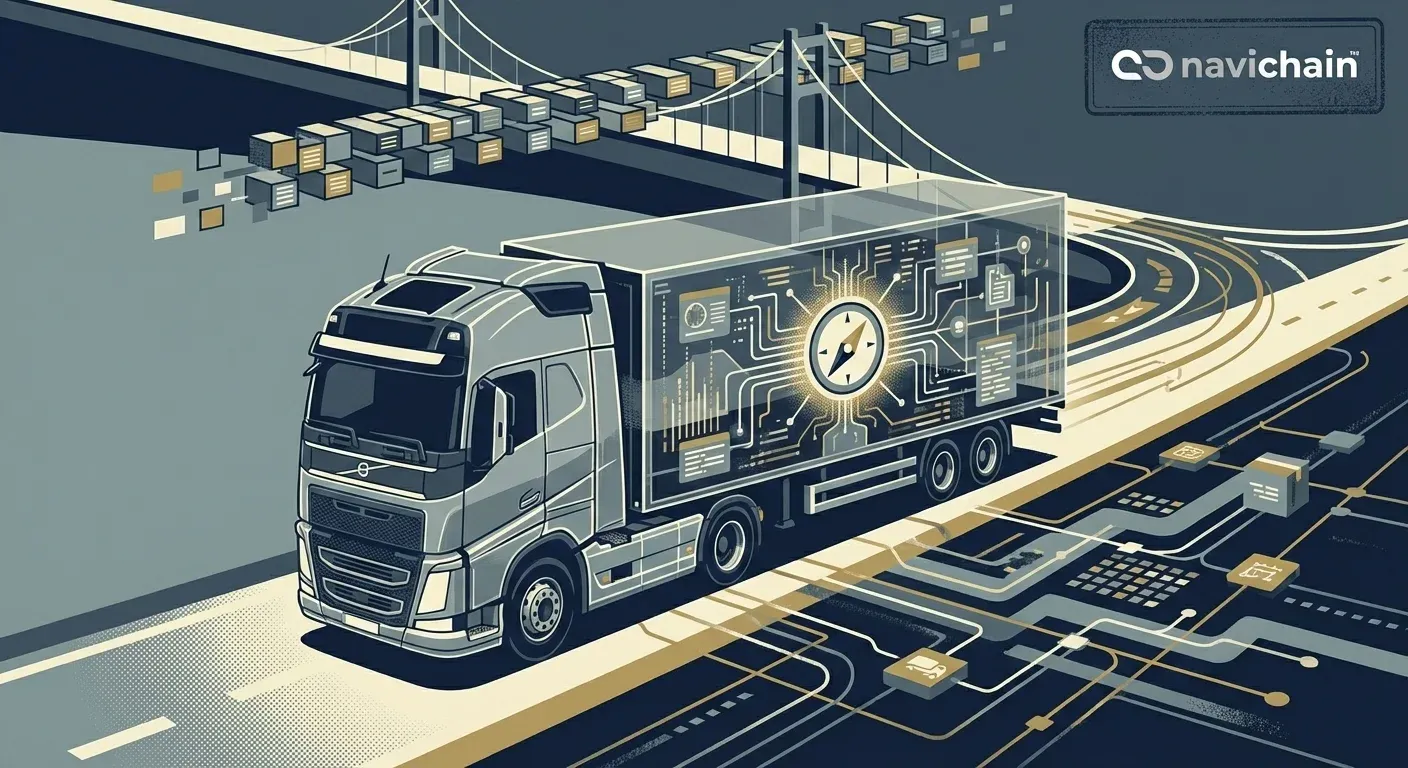
Visualizing the positive impact of a data-driven 4PL approach on efficiency, agility, and competitive advantage for Scandinavian SME haulage firms.
Conclusion: Seize the future: embrace data sovereignty and transform your haulage business
The transformation from a traditional 3PL to a data-driven 4PL is no longer a luxury, but a necessity for Scandinavian SME haulage firms seeking to thrive in the evolving European logistics landscape. The challenges are significant, but the opportunities are even greater. By embracing a data-centric approach, prioritizing data sovereignty, and leveraging the right technology platform, you can unlock exponential growth, build a more resilient business, and secure your future in a fiercely competitive market. The time to act is now. Don't let your business be left behind. Embrace the power of data sovereignty and transform your haulage business into a 4PL powerhouse.
References
- European Commission (2020). EU Green Deal
- International Road Transport Union (IRU) (2023). The Future of Road Transport
- McKinsey & Company (2022). Reimagining Supply Chains for Resilience and Sustainability
- Gartner (2023). Top Supply Chain Technology Trends
- World Economic Forum (2023). Global Risks Report 2023
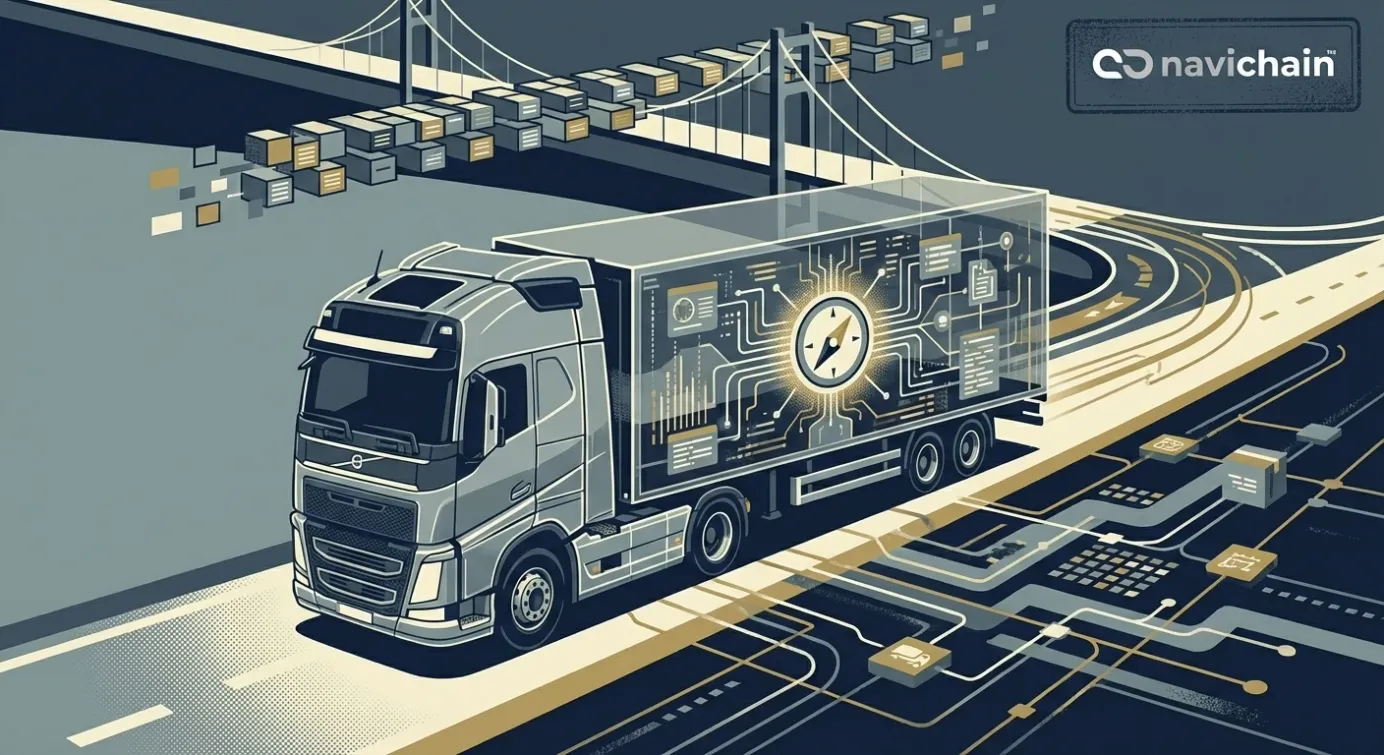
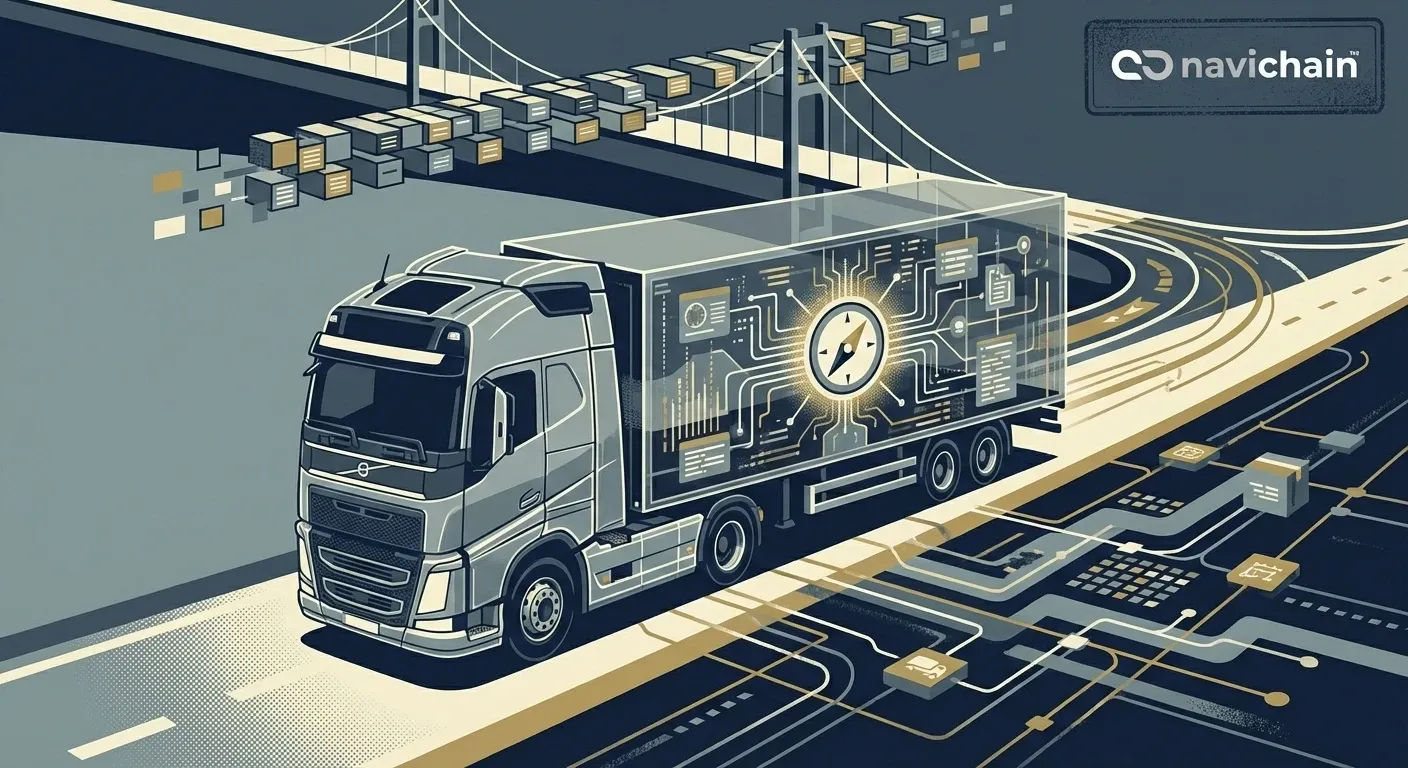
Navichain's platform facilitates data-driven decision-making for optimized supply chain management and improved visibility across the network.
Navichain's platform provides a comprehensive view of the supply chain, enabling enhanced collaboration and data-driven insights for improved efficiency and resilience.
Ready to optimise your supply chain?
navichain Insights Newsletter
Join the newsletter to receive the latest updates in your inbox.