The Efficiency Dividend: Transforming Telematics from Observation to Orchestration
Table of Contents
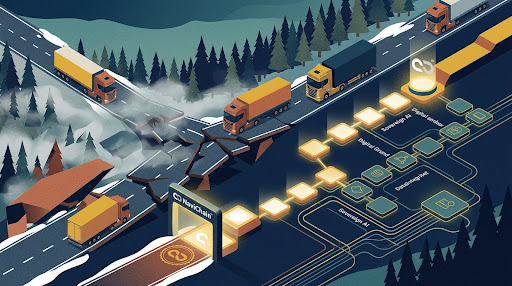
The logistics industry stands at a critical juncture. While investment in telematics solutions has become commonplace, the vast majority of businesses are only scratching the surface of its potential. They are trapped in a cycle of “passive data” – tracking vehicles as mere “dots on a map” without leveraging the real-time insights for dynamic operational adjustments. This white paper argues that the true value of telematics lies not in simple observation, but in automated orchestration, driven by a unified logistics platform. By seamlessly integrating telematics data with core operational systems, businesses can unlock a substantial "Efficiency Dividend," dramatically reducing administrative overhead, automating dispatch decisions, empowerment drivers, and ultimately, accelerating operational velocity. This shift requires a fundamental rethinking of the telematics paradigm, moving beyond rudimentary tracking towards a future of AI-driven autonomy and strategic decision-making. We introduce the concept of a “Unified Operational Fabric” which creates a continuous feedback loop between your vehicles and warehouse operations.
The Stagnation of "Dots on a Map"
For many Small to Medium Enterprises (SMEs) in the logistics sector, telematics adoption has become synonymous with basic vehicle tracking. Companies invest in "Telematics Core" systems, equipping their fleets with GPS trackers and monitoring driver behavior. However, this investment often yields limited returns. The data generated, while valuable for retrospective analysis, is rarely used to proactively optimize operations in real-time.
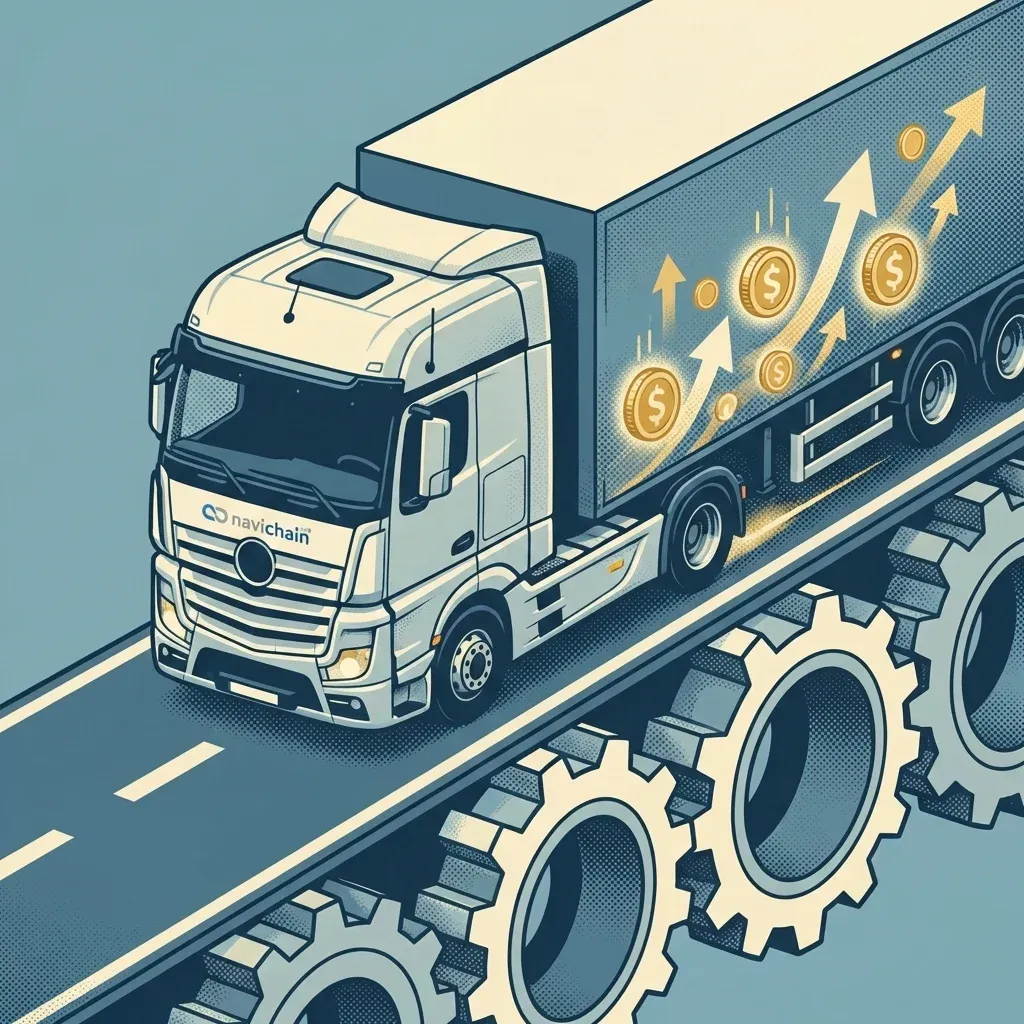
The result is a "passive data" trap: fleets are monitored, but routes are not dynamically adjusted based on real-time traffic conditions; deliveries are tracked, but customers are not automatically notified of delays; and driver performance is analyzed, but training interventions are not proactively triggered based on observed trends. The overwhelming majority of logistics companies are gathering data but not translating that data into actionable intelligence. They are operating reactively, rather than proactively, and missing significant opportunities for efficiency gains. This also results in increased fuel consumption, higher maintenance costs, and decreased asset utilization.
This stagnation stems from several factors, including: * Siloed Systems: Telematics data is often isolated from other critical operational systems, such as Transportation Management Systems (TMS) and Warehouse Management Systems (WMS). * Lack of Integration: Integrating telematics data with existing systems can be complex and expensive. * Limited Analytical Capabilities: Many "Telematics Core" solutions offer rudimentary reporting capabilities but lack the advanced analytics needed to identify actionable insights. * Focus on Compliance: Telematics is often viewed primarily as a tool for regulatory compliance, rather than a strategic asset for operational optimization.
The High Cost of Reactive Logistics
The reliance on reactive logistics creates significant inefficiencies across the entire supply chain. These inefficiencies manifest themselves in several key areas: * Administrative Overhead: Manual processes for dispatching, route planning, and exception handling consume significant administrative resources. Dispatchers spend countless hours manually assigning loads, adjusting routes based on phone calls, and resolving delivery exceptions. * Driver Friction: Drivers are often burdened with outdated routes, limited access to real-time information, and cumbersome communication processes. This can lead to frustration, decreased productivity, and higher driver turnover rates, which is especially problematic given the current driver shortage. * Delayed Deliveries: Inability to dynamically adjust to unexpected events, such as traffic congestion or equipment failures, results in delayed deliveries and reduced customer satisfaction. Each delayed delivery has a knock-on effect, impacting subsequent deliveries and disrupting the entire schedule. * Increased Fuel Consumption: Inefficient routes and aggressive driving behaviors lead to higher fuel consumption and increased operating costs. * Reduced Asset Utilization: Inefficient scheduling and prolonged dwell times result in reduced asset utilization, meaning fewer deliveries per truck per day. * Poor Communication: Lack of real-time visibility and automated communication leads to misunderstandings and delays in information flow. This impacts the ability to proactively manage customer expectations and resolve issues promptly.

These inefficiencies collectively contribute to a significantly higher operational cost and reduced profitability. Furthermore, they hinder the ability to scale operations without proportionally increasing headcount.
The Efficiency Dividend
The "Efficiency Dividend" represents the significant gains that can be achieved by transforming telematics from a passive observation tool to an active orchestration engine. This transformation requires a shift in mindset and a commitment to integrating telematics data with core operational systems.
The core principle of the "Efficiency Dividend" is to automate routine tasks, empower drivers with real-time information, and enable proactive decision-making based on data-driven insights. This is achieved by leveraging a "Spatial Engine" to analyze real-time location data, predict potential issues, and automatically trigger corrective actions.
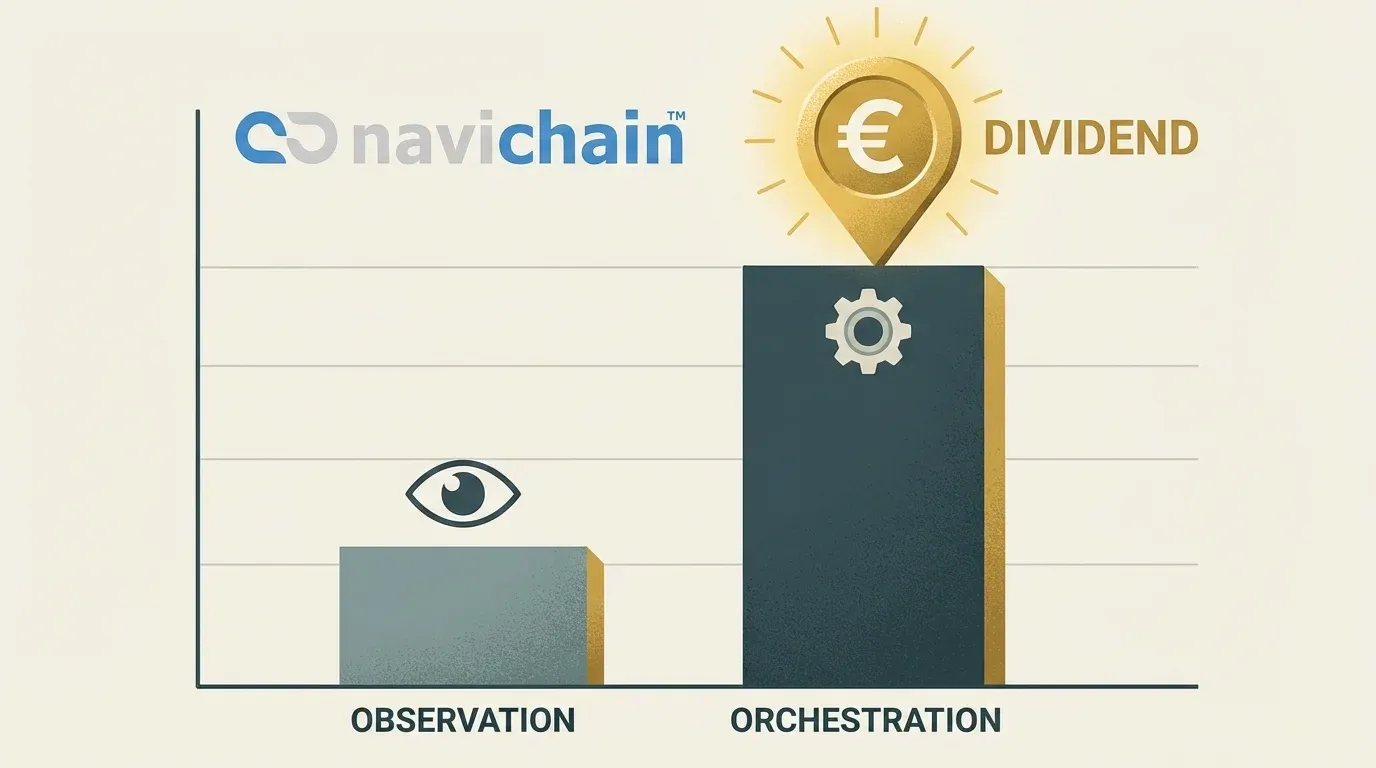
The key components of the "Efficiency Dividend" include: * Automated Dispatch: Automatically assigning loads to the most appropriate vehicles based on location, availability, and capacity. * Dynamic Route Optimization: Continuously adjusting routes in real-time based on traffic conditions, weather forecasts, and delivery schedules. * Proactive Exception Management: Automatically detecting and resolving potential issues, such as delayed deliveries or equipment failures, before they escalate. * Real-Time Visibility: Providing dispatchers and customers with real-time visibility into the location and status of all shipments. * Driver Empowerment: Equipping drivers with mobile tools that provide access to real-time information, streamlined communication, and automated task management.
Operational Workflow: From Geofence Triggers to Auto-Dispatch
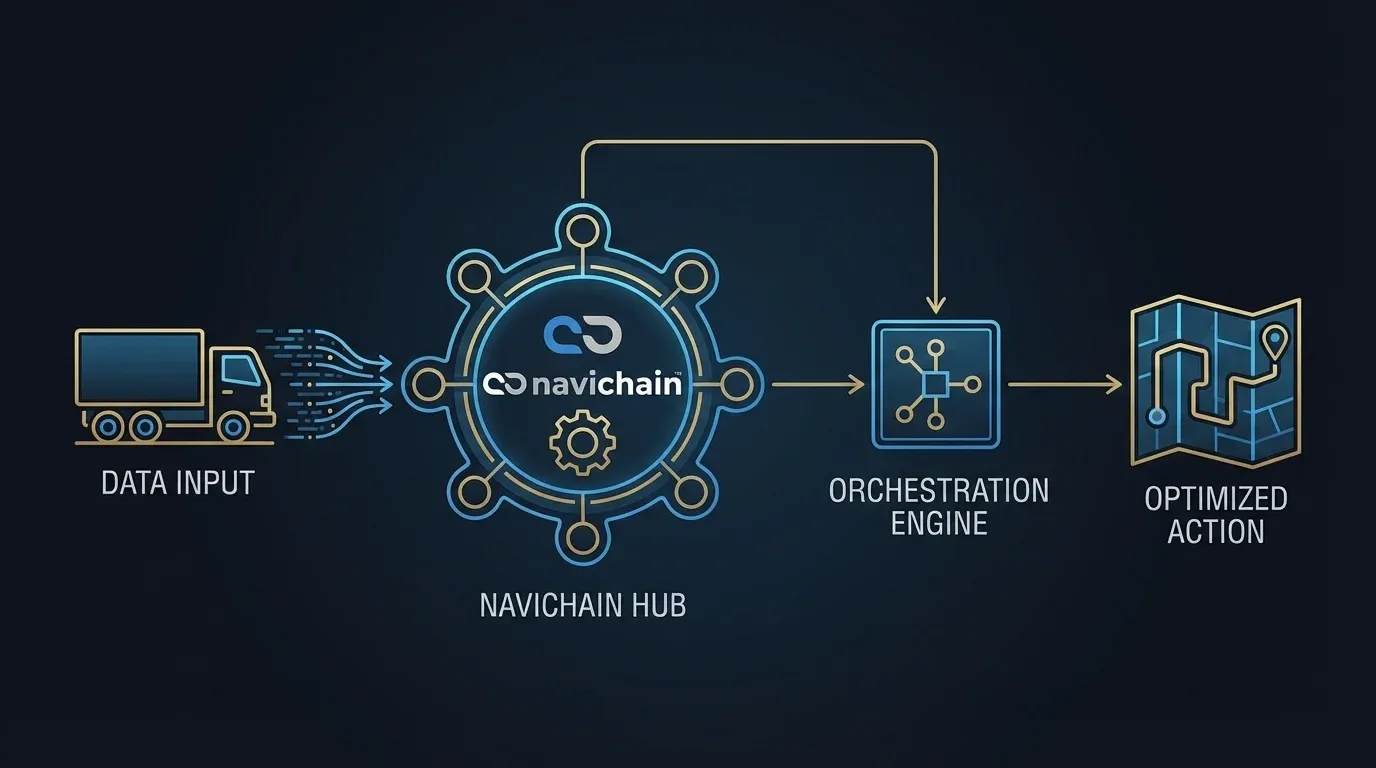
The "Efficiency Dividend" is realized through a series of automated workflows that are triggered by real-time events and powered by integrated data. A typical workflow might look like this:
- Geofence Trigger: A vehicle enters a predefined geofence around a customer location or a distribution center.
- Automated Status Update: The "Spatial Engine" automatically updates the delivery status in the TMS, notifying the customer and the dispatcher.
- Inventory Management: The WMS is notified of the impending delivery, allowing for proactive inventory management and streamlined receiving processes.
- Auto-Dispatch: If a subsequent delivery is scheduled in the same area, the "Spatial Engine" automatically dispatches the vehicle to the next location, optimizing route efficiency.
- Driver Notification: The driver receives a notification on their mobile device with the updated delivery instructions.
- Real-time issue detection: Delays or vehicle issues are immediately flagged. The system may reroute other vehicles or automatically notify the customer of the expected delay.
This automated workflow eliminates manual tasks, reduces communication overhead, and ensures that deliveries are completed efficiently and on time. Crucially, it minimizes the need for human intervention, allowing dispatchers to focus on more complex and strategic tasks.
Business Impact
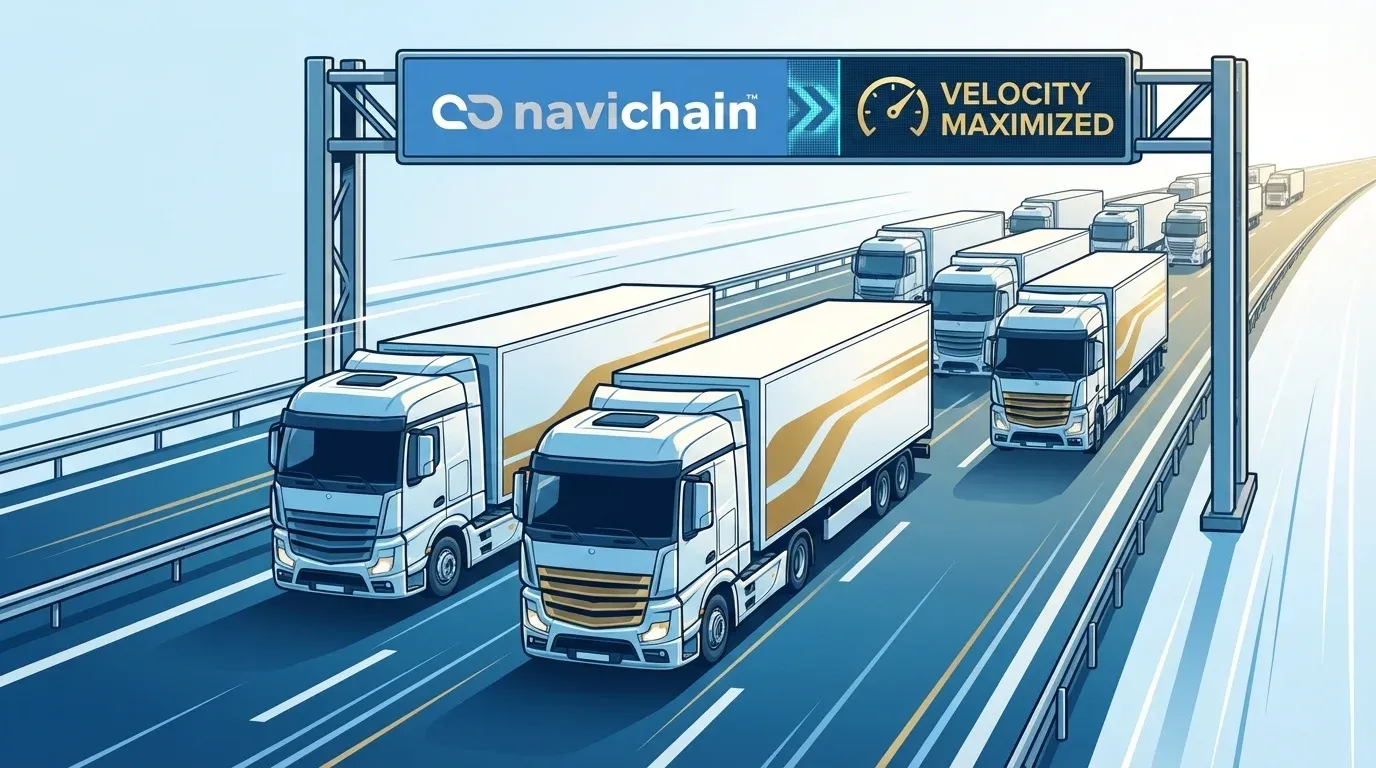
The implementation of the "Efficiency Dividend" can have a significant impact on a logistics business's bottom line. Key benefits include: * Reduced Operating Costs: Automated dispatch, dynamic route optimization, and proactive exception management reduce fuel consumption, maintenance costs, and administrative overhead. * Increased Operational Velocity: Streamlined workflows and real-time visibility accelerate the movement of goods from receipt to invoice, improving cash flow and profitability. * Improved Customer Satisfaction: Timely deliveries, proactive communication, and seamless service enhance customer satisfaction and loyalty. * Enhanced Scalability: Automated processes enable businesses to scale operations without proportionally increasing headcount, reducing labor costs and improving efficiency. * Data-Driven Decision-Making: Access to real-time data and advanced analytics enables businesses to make more informed decisions, optimize resource allocation, and improve overall performance. * Increased Driver Retention: By reducing administrative burden and empowering them with user-friendly tools, companies can create a better work experience for their drivers, which helps to reduce turnover.
The ROI of implementing the "Efficiency Dividend" can be substantial, often exceeding the initial investment within a short period. It is especially important in current global economy where increasing supply chain costs and inflationary pressures are threatening margins.
Future Outlook: AI-Driven Autonomy
The future of telematics is inextricably linked to the rise of artificial intelligence (AI) and machine learning (ML). AI-powered algorithms can analyze vast amounts of data to identify patterns, predict future events, and automate complex decision-making processes.
In the logistics industry, AI can be used to: * Optimize routes in real-time based on predicted traffic conditions. * Predict equipment failures and schedule preventative maintenance. * Automate dispatch decisions based on vehicle availability, driver skills, and delivery schedules. * Detect fraudulent activity and prevent cargo theft. * Optimize warehouse operations and improve inventory management.
The ultimate goal is to create a fully autonomous logistics ecosystem, where AI-powered systems manage the entire supply chain with minimal human intervention. While this vision may still be several years away, the building blocks are already in place.
Enabling the Vision: The Navichain Unified Logistics Platform
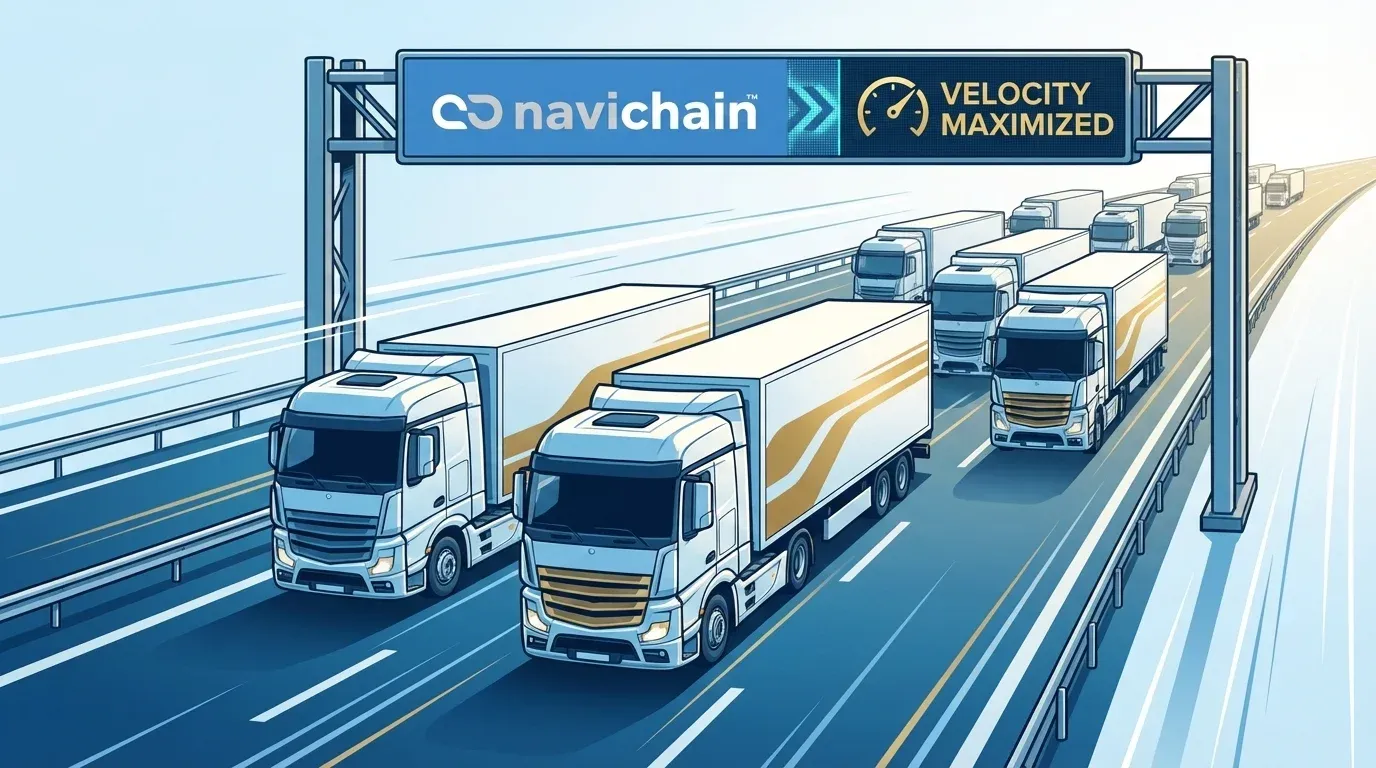
The "Efficiency Dividend" requires a platform that bridges the gap between physical movement and digital execution. Navichain SaaS is engineered to be this Unified Operating System. Navichain allows businesses to harness all the data generated by their fleet, and turn it into actionable insights in order to drive better outcomes.
- Unified Operational Fabric: Integrating TMS, WMS, and Driver App into a single, seamless platform. This provides end-to-end visibility and control over the entire logistics process, from order placement to delivery confirmation.
- True Data Sovereignty: Hosted in Sweden (EU jurisdiction), ensuring compliance with GDPR and other data privacy regulations. This provides peace of mind and protects sensitive data from unauthorized access.
- Embedded Analytic Intelligence: AI that optimizes routes, predicts usage, and identifies potential risks. This empowers businesses to make data-driven decisions and continuously improve their operations.
Navichain is designed to be easy to implement and use, with a user-friendly interface and intuitive workflows. It is also highly scalable, able to support businesses of all sizes, from small startups to large enterprises. By choosing Navichain, businesses can unlock the full potential of the "Efficiency Dividend" and gain a competitive advantage in the rapidly evolving logistics landscape.
Stop observing. Start orchestrating.
navichain Insights Newsletter
Join the newsletter to receive the latest updates in your inbox.