Digital Exclusion Threatens the Competitiveness of Small Haulage Firms in the Supply Chain
Table of Contents
In an increasingly digitised supply chain, small and medium-sized haulage firms face a critical challenge: digital exclusion. Major transport procurers expect real-time data and seamless integration, while many smaller hauliers still rely on legacy systems that simply cannot meet these demands. This results in increased administrative overhead, diminished competitiveness, and a tangible risk of being deselected by larger clients. This white paper examines the problem, its ramifications, and presents a solution – Navichain’s Unified Operational Fabric – enabling digital transformation without necessitating a costly and disruptive system overhaul. Read on to understand how your haulage business can maintain its competitive edge in a digitised world.
The Escalating Demand for Visibility and Real-Time Data
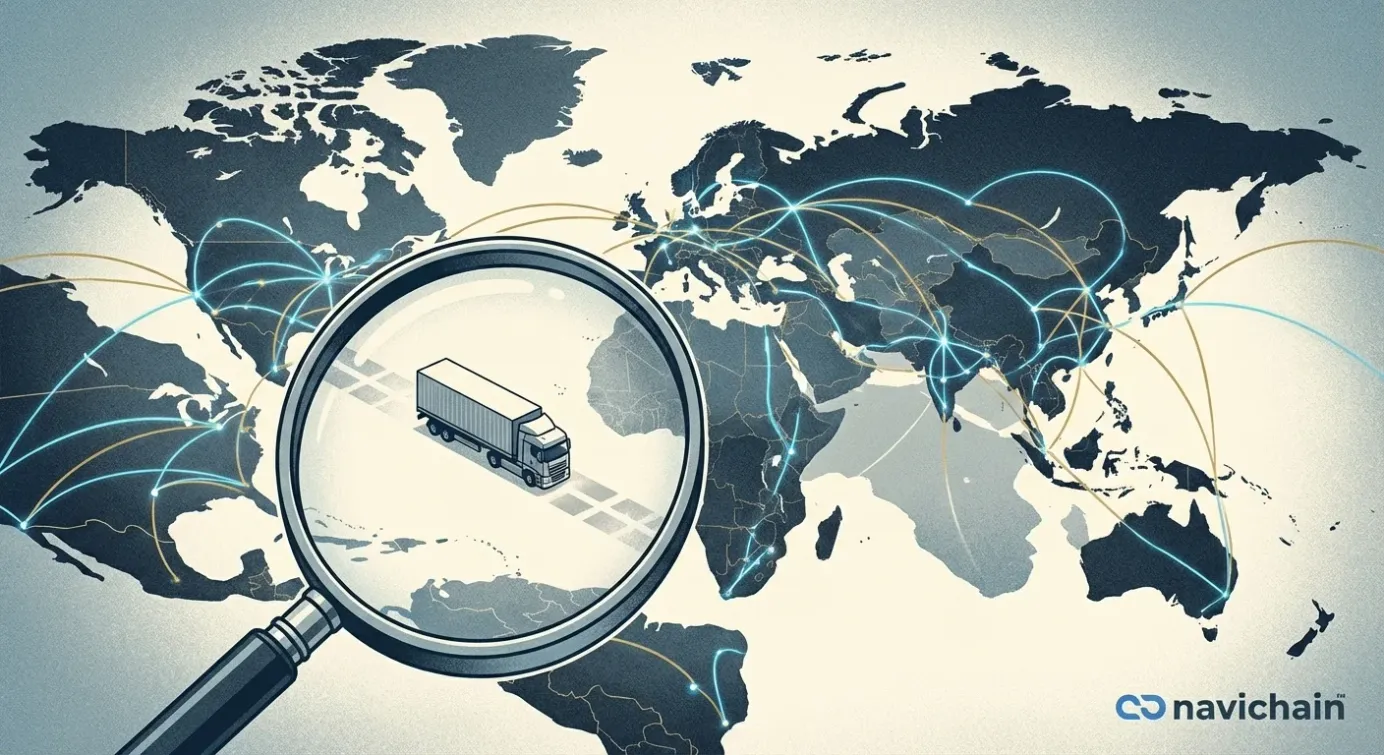
The requirements for transparency and traceability within the supply chain have increased exponentially in recent years. Major transport procurers, such as e-commerce giants and manufacturers, demand real-time data on the location of goods, their temperature, and their estimated time of arrival (ETA). This allows them to optimise their own operations, mitigate the risk of delays, and enhance the customer experience. This level of ‘visibility’ is no longer a ‘nice-to-have’ but an absolute imperative for sustained competitiveness.
The Digital Divide: SMEs Caught in the Crossfire
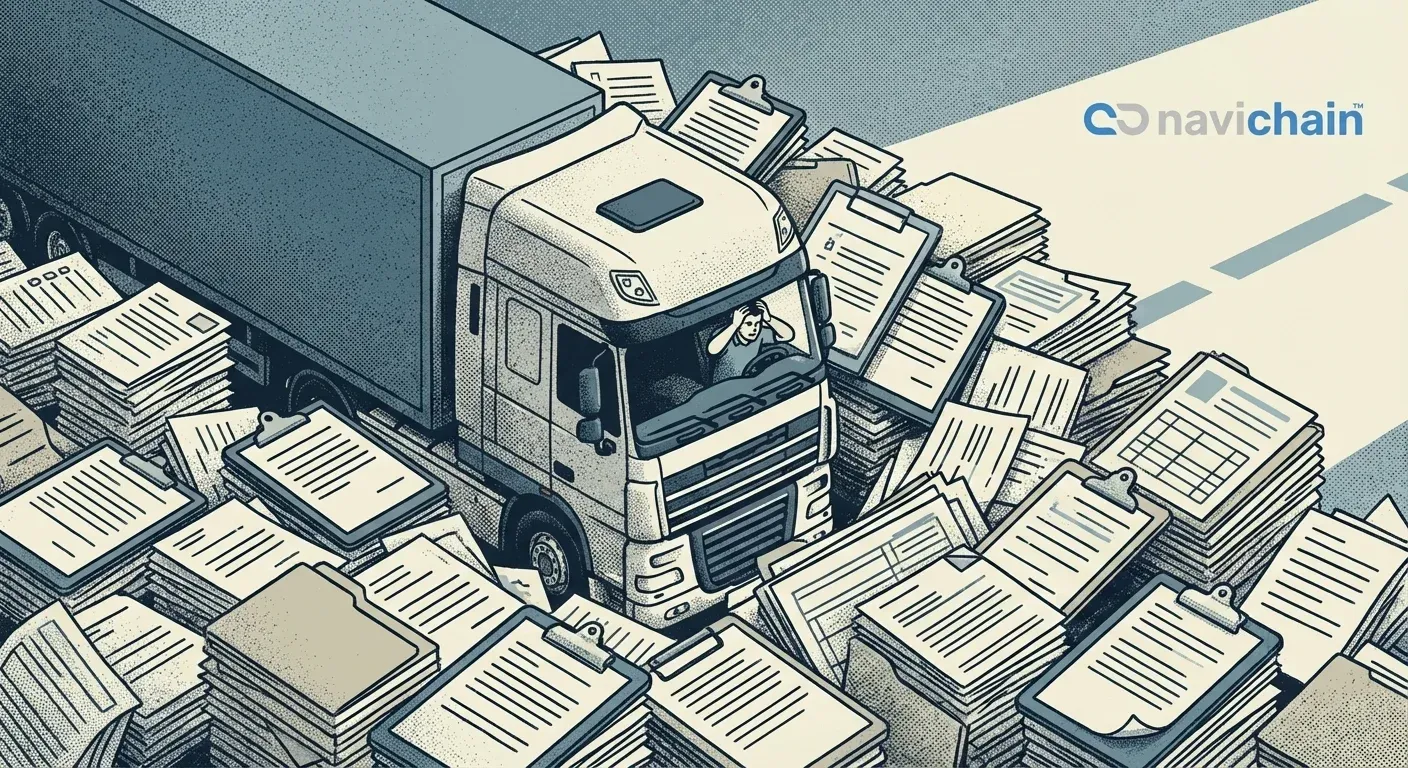
For many small and medium-sized enterprises (SMEs) in the haulage sector, this presents a significant obstacle. A considerable number continue to rely on legacy systems that are not designed to communicate with external platforms or handle real-time data streams effectively. These systems are often siloed and necessitate the manual input of data into a plethora of client portals.
This situation creates a paradox. Small haulage businesses, which are often crucial to regional and local transport infrastructure, are at risk of marginalisation simply because they cannot fulfil the demands of digital integration.
Consequences of Digital Exclusion
- Increased Administrative Overhead: Manual data management is time-consuming and prone to error, placing undue strain on administrative personnel and eroding overall efficiency.
- Diminished Competitiveness: Haulage firms that cannot offer real-time data and seamless integration face the risk of being deselected by major transport procurers, impacting revenue streams and future growth prospects.
- Reduced Transparency: A lack of real-time information impedes internal optimisation of routes and resource allocation, leading to inefficiencies and increased operational costs.
- Heightened Risk of Errors and Delays: Manual data handling elevates the risk of data entry errors and communication breakdowns, potentially resulting in costly delays and dissatisfied clients.
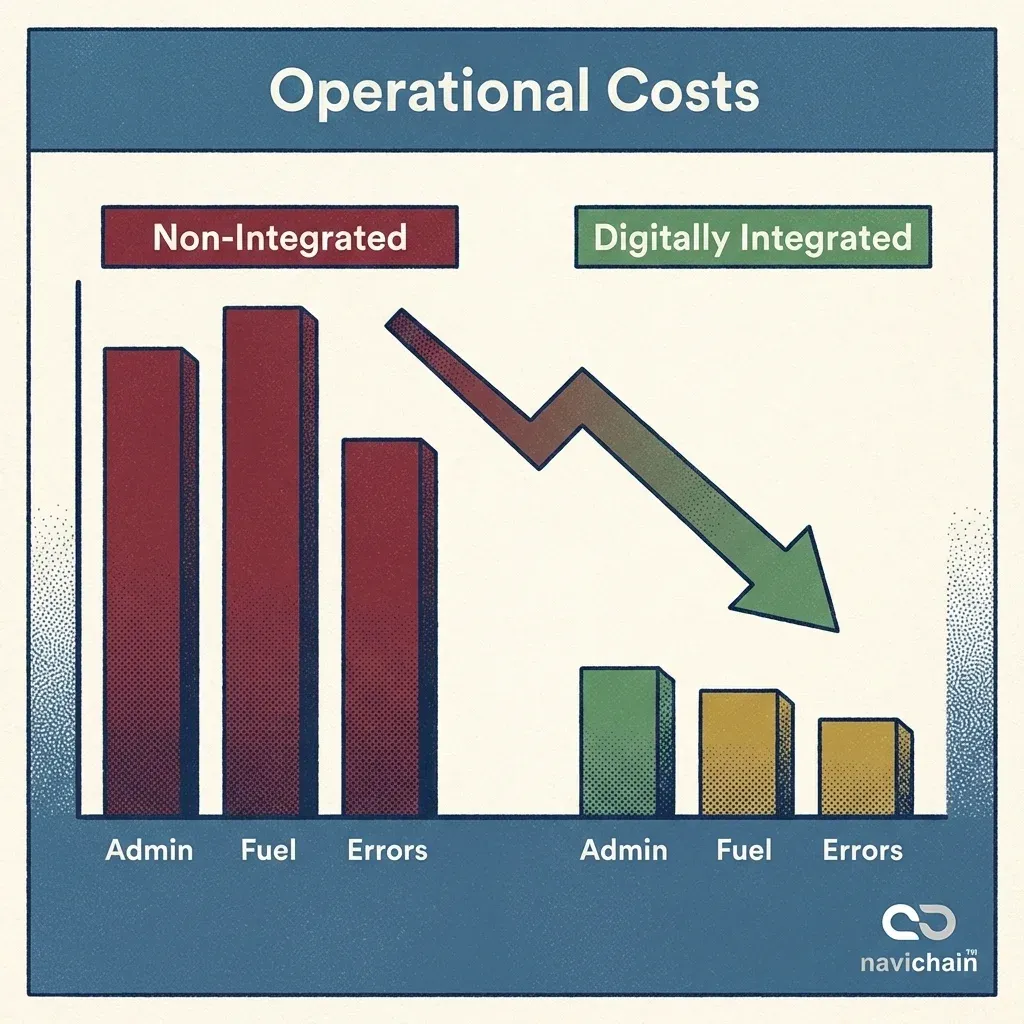
The Economic Impact: More Than Just Admin Time
The costs associated with digital exclusion extend far beyond mere increases in administrative time. Reduced competitiveness translates directly into lost business opportunities, negatively impacting the haulage firm's profitability. Furthermore, the absence of real-time visibility can lead to suboptimal route planning and resource management, increasing fuel consumption and other operational expenses.
Staff Frustration and the Skills Gap
Manual data input is not only inefficient but also a source of considerable frustration for staff. Moreover, many haulage firms struggle to recruit and retain skilled personnel who possess the capabilities to manage modern IT systems effectively. This creates a vicious cycle whereby the skills gap inhibits digitalisation efforts and exacerbates frustration amongst existing staff.
Vulnerability in Times of Crisis and Unexpected Events
An inadequate digital infrastructure renders the haulage firm more vulnerable to crises and unexpected events. The ability to adapt rapidly to changing circumstances, such as adverse weather conditions or traffic disruptions, requires real-time information and flexible systems. Haulage businesses reliant on manual data management find it more difficult to react swiftly and effectively, which can lead to significant repercussions.
Navichain: A Unified Operational Fabric for Haulage Firms
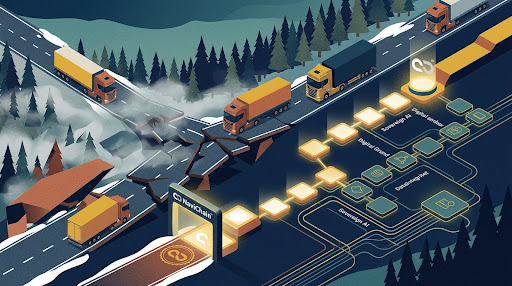
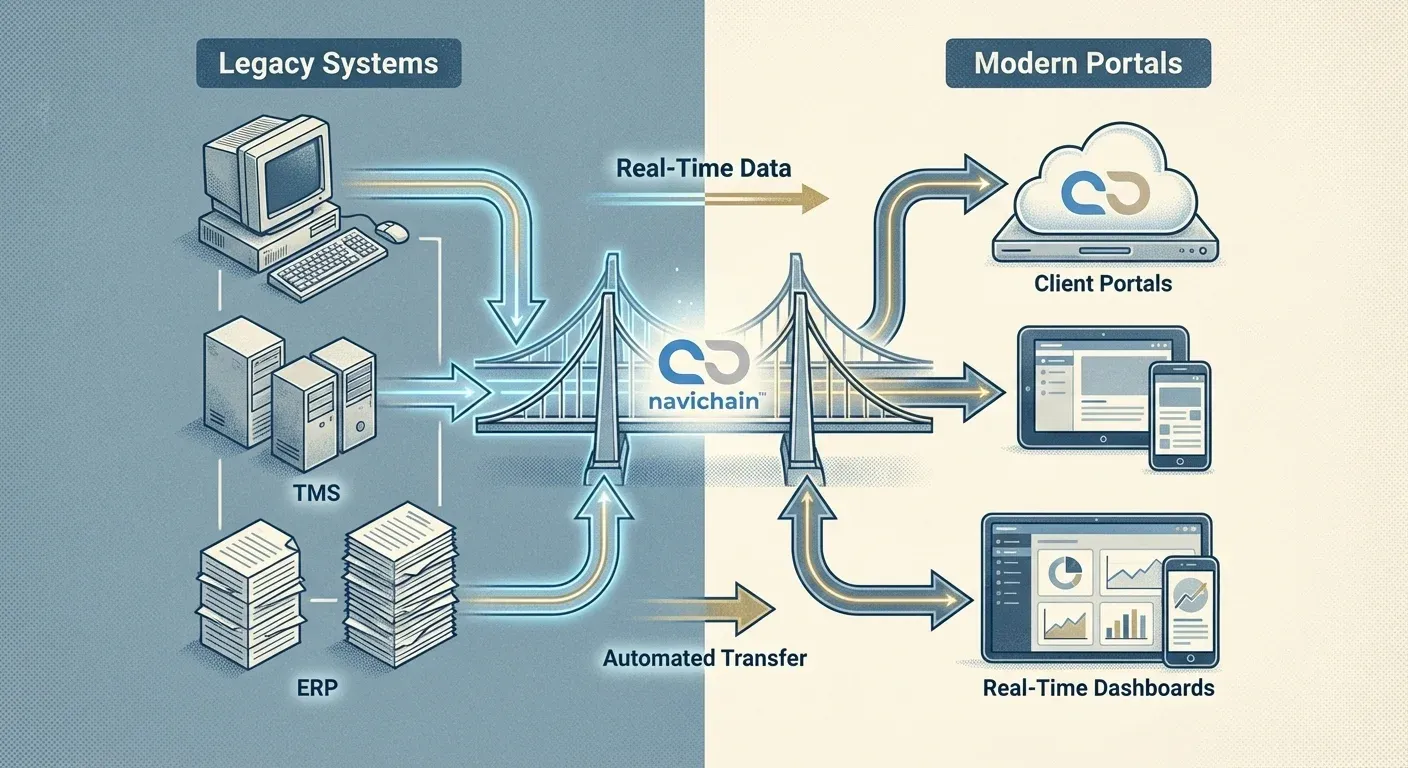
Navichain offers an innovative solution to the problem of digital exclusion: a Unified Operational Fabric. This platform connects existing legacy systems with modern demands for visibility and integration, without requiring a complete system replacement.
How Navichain Works:
- Integration with Existing Systems: Navichain integrates seamlessly with the haulage firm's existing TMS (Transport Management System) and other systems, regardless of their age or vendor.
- Real-Time Data and Visibility: The platform collects and analyses data from diverse sources, providing real-time information on the location of goods, their status, and their estimated time of arrival.
- Automated Data Transfer: Navichain automates the transfer of data to client portals and other systems, eliminating the need for manual input.
- User-Friendly Interface: The platform offers an intuitive user interface that is easy to use for both administrative staff and drivers.
- Scalability: Navichain is a scalable solution that can be tailored to the haulage firm's specific needs and grow in line with the business.
The Benefits of Navichain:
- Increased Efficiency: Reduced manual data handling and optimised route planning lead to improved efficiency and lower operational costs.
- Enhanced Competitiveness: The haulage firm can meet the demands for real-time data and seamless integration, increasing its chances of securing contracts from major transport procurers.
- More Satisfied Staff: Reduced frustration and more efficient workflows contribute to a more satisfied workforce.
- Improved Customer Service: Real-time information and proactive communication enhance the customer experience and strengthen client relationships.
- Increased Profitability: By reducing costs and increasing revenue, Navichain contributes to enhanced profitability.
Digital exclusion is a real and growing problem for small and medium-sized haulage firms. By investing in a Unified Operational Fabric such as Navichain, haulage businesses can overcome this challenge and maintain their competitive edge in an increasingly digitised supply chain. Navichain offers a cost-effective and user-friendly solution that enables digital transformation without requiring a complete system replacement. Take control of your digital future and contact Navichain today to discover how we can help you optimise your operations and enhance your profitability.

References
- Ti Insight (2024). European Road Freight Market 2024. https://ti-insight.com/reports/european-road-freight-market-2024/
- International Road Transport Union (IRU) (2024). Digitalisation key to solve EU driver shortage. https://www.iru.org/resources/news-and-events/digitalisation-key-solve-eu-driver-shortage
- Eurostat (2024). Digital adoption in EU enterprises. https://ec.europa.eu/eurostat/statistics-explained/index.php?title=Digital_adoption_in_EU_enterprises
- SchrezenGubler, H. (2023). The True Cost of Poor Quality (COPQ) in Supply Chain Management. Journal of Supply Chain Excellence.
- European Data Protection Board (EDPB). Guidelines on Data Transfers. https://edpb.europa.eu/our-work-tools/our-documents/guidelines/
Want to see how profitable your operation can be with Navichain?
navichain Insights Newsletter
Join the newsletter to receive the latest updates in your inbox.