Stop the Squeeze: How SMEs Can Overcome Cash Flow Challenges & Payment Delays
Table of Contents
SMEs are being squeezed dry by extended payment terms! This report exposes how delayed payments cripple logistics and transportation businesses, impacting cash flow and stifling growth. Discover actionable strategies and the power of unified operational platforms to regain financial control and thrive.
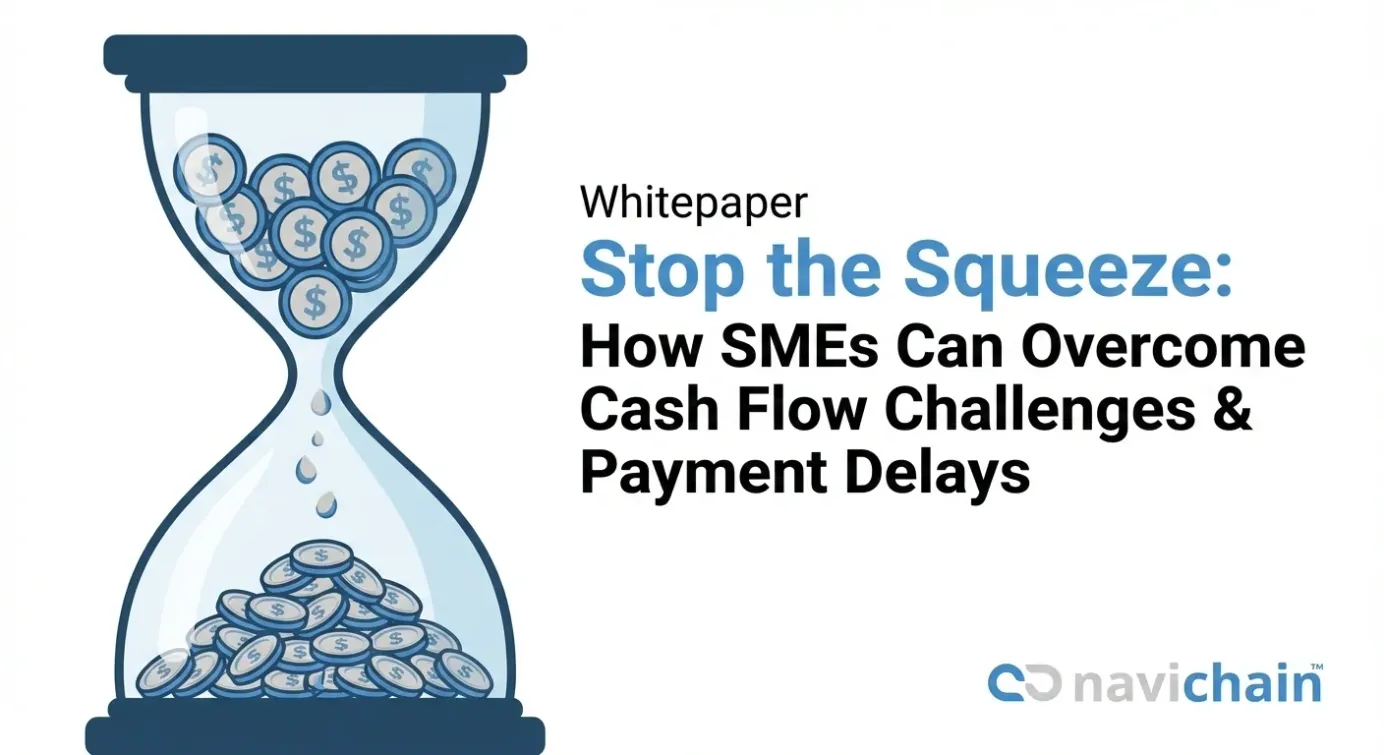
Stop the Squeeze: How SMEs Can Overcome Cash Flow Challenges & Payment Delays
Delayed payments cripple SMEs: A clear view of the cash flow squeeze.
Executive summary
European SMEs in the logistics and transportation sectors are facing a crippling cash flow crisis. The widening gap between immediate operational expenses (fuel, driver wages) and increasingly extended payment terms from larger shippers is squeezing working capital, hindering growth, and threatening solvency. This report, "Stop the Squeeze: How SMEs Can Overcome Cash Flow Challenges & Payment Delays," provides a comprehensive analysis of this challenge and presents a strategic roadmap for regaining financial control. The core problem stems from an imbalance of power, where large corporations dictate unfavorable payment terms, coupled with internal inefficiencies and external economic pressures. Navichain offers a powerful solution: a unified operating system designed to address these challenges head-on. This report details the root causes of the cash flow squeeze, from the market dominance of large corporations to bureaucratic inefficiencies, manual processes, invoice discrepancies, and pervasive economic uncertainty. The solution is not merely about survival; it's about empowering SMEs to thrive. Navichain's platform automates invoicing, provides real-time visibility into financial performance, and facilitates faster, more predictable payments. This report empowers SMEs to navigate this complex landscape. By adopting the strategies and leveraging the solutions detailed herein, SMEs can dramatically reduce their reliance on expensive external financing, freeing up capital for strategic initiatives. The result is enhanced operational efficiency, improved profitability, increased strategic resilience, and sustainable growth. It's time to take control of your cash flow and build a stronger, more profitable SME. Embrace the future. Embrace Navichain. Extended payment terms are choking SME working capital and hindering growth.
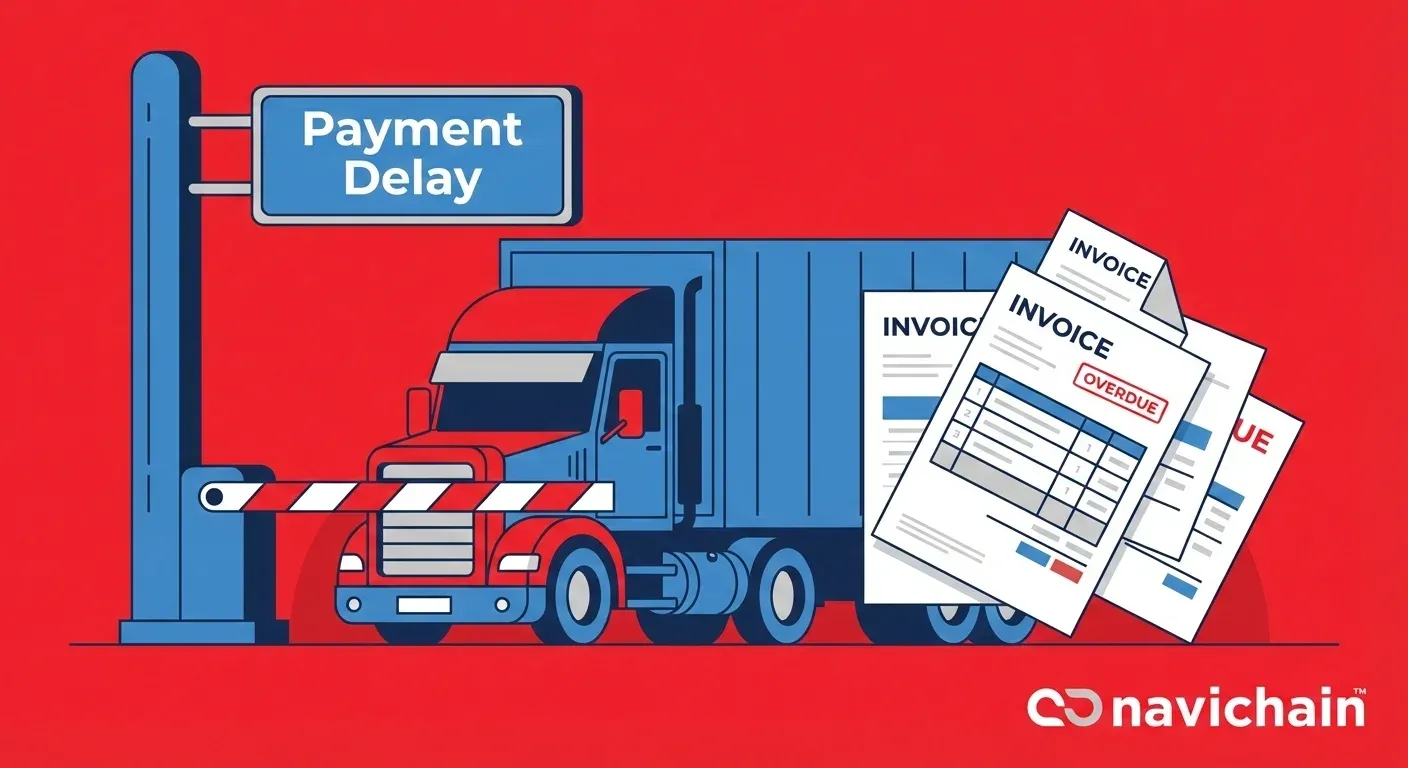
Cash flow bottlenecks caused by delayed payments create a significant barrier to SME growth and stability in the logistics sector.
Introduction: The tightening grip on SME finances
The backbone of the European economy, Small and Medium Enterprises (SMEs), are facing unprecedented financial pressures. While often celebrated for their agility and innovation, SMEs are particularly vulnerable to external economic shocks and the often-unyielding demands of larger corporations. One of the most pressing challenges is the growing disparity between immediate operational costs and increasingly delayed payments from shippers and other large clients. This "cash flow squeeze" is not merely an inconvenience; it's a systemic threat that can stifle growth, erode profitability, and even lead to insolvency. This report delves into the complexities of this challenge, providing a detailed analysis of the root causes, the far-reaching consequences, and, most importantly, the actionable strategies SMEs can implement to regain control of their finances. We will explore how a unified operational platform, such as Navichain, can serve as a powerful enabler, streamlining processes, automating workflows, and ultimately accelerating payments. The goal is to equip SMEs with the knowledge and tools they need to navigate this challenging landscape and build a more resilient and prosperous future. SMEs' cash flow squeezed: operational costs outpace payments from large clients.
Section 1: The challenge: the cash flow squeeze and its devastating impact
The cash flow squeeze facing SMEs in the logistics and transportation sectors is a multifaceted problem with deep-seated roots. At its core, it's a power imbalance. Large corporations, often wielding significant market influence, dictate payment terms that favor their own cash flow at the expense of their smaller suppliers and partners. This practice, while seemingly innocuous from the perspective of the larger entity, can have devastating consequences for SMEs operating on tighter margins. Imagine a small trucking company that incurs immediate costs for fuel, driver wages, vehicle maintenance, and insurance. These expenses are unavoidable and often require immediate payment. Simultaneously, the company is forced to accept payment terms of 60, 90, or even 120 days from its larger clients. This creates a significant gap between cash outflows and inflows, forcing the SME to rely on expensive short-term financing or delay critical investments. The cost of inaction is significant. SMEs that fail to address this challenge risk: * Stunted Growth: Lack of working capital prevents SMEs from investing in new equipment, expanding their fleet, or hiring additional staff. This limits their ability to capitalize on market opportunities and grow their business.
- Reduced Profitability: High interest rates on short-term loans erode profit margins, making it difficult for SMEs to compete effectively.
- Damaged Reputation: Late payments to suppliers can damage relationships and lead to higher prices or even the loss of critical supply lines.
- Employee Turnover: Financial instability can lead to employee anxiety and turnover, making it difficult to attract and retain skilled workers.
- Increased Stress and Burnout: The constant pressure of managing cash flow can take a toll on business owners and their employees, leading to increased stress and burnout.
- Insolvency: In the most extreme cases, the cash flow squeeze can lead to insolvency, forcing SMEs to close their doors and lay off employees. The challenge is not simply about managing day-to-day finances; it's about ensuring the long-term survival and prosperity of SMEs in a competitive and often unforgiving market.
Squeezed margins: Unfavorable payment terms choke vital cash flow for logistics SMEs.
Section 2: The context/data: industry trends, paradoxes, and statistics
To fully understand the cash flow squeeze, it's essential to examine the broader industry trends, paradoxes, and statistics that contribute to the problem.
- Consolidation: The logistics and transportation industries are undergoing a period of consolidation, with larger companies acquiring smaller ones. This trend increases the market power of large corporations and their ability to dictate payment terms.
Industry consolidation concentrates market power, allowing larger firms to impose unfavorable payment terms on smaller logistics providers, exacerbating cash flow issues.
- Globalization: The increasing complexity of global supply chains has led to longer payment cycles and increased risk of payment delays.
- Digitalization: While digitalization offers opportunities to improve efficiency and transparency, it also creates new challenges, such as cybersecurity risks and the need for specialized skills.
- Increased Competition: The rise of e-commerce and the proliferation of online marketplaces have intensified competition, putting pressure on SMEs to lower prices and accept longer payment terms.
- The Efficiency Paradox: While technology has improved efficiency in many areas of logistics, payment processes often remain manual and inefficient, leading to delays and errors.
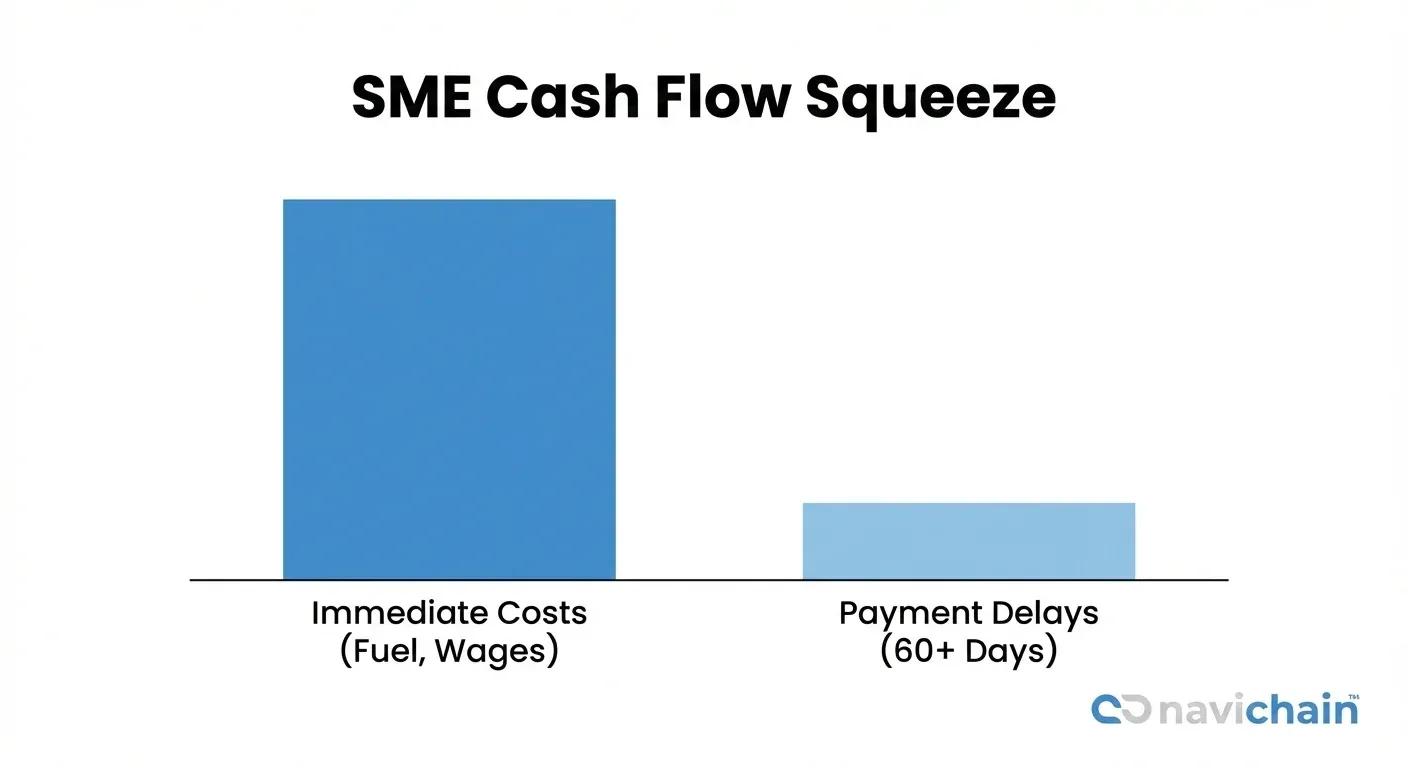
A visual representation of factors contributing to the cash flow squeeze experienced by SMEs in the logistics industry.
- The Trust Paradox: Despite the importance of trust in business relationships, payment terms often reflect a lack of trust between large corporations and their smaller suppliers.
- The Innovation Paradox: While SMEs are often lauded for their innovation, the cash flow squeeze can stifle their ability to invest in new technologies and processes.
- Late Payments: A significant percentage of invoices in Europe are paid late, with SMEs bearing the brunt of the delays. Studies show that late payments are a major cause of SME bankruptcies.
- Payment Terms: Payment terms in the logistics and transportation industries are often longer than in other sectors, reflecting the power imbalance between large corporations and their smaller suppliers.
- Financing Costs: SMEs typically pay higher interest rates on short-term loans than larger corporations, further eroding their profitability.
- Insolvency Rates: SME insolvency rates are higher in countries with longer payment terms and weaker enforcement of payment regulations. These trends, paradoxes, and statistics paint a clear picture of the challenges facing SMEs in the logistics and transportation sectors. The cash flow squeeze is not an isolated problem; it's a systemic issue that requires a comprehensive and strategic solution.
Navichain data visualizes complex supply chains contributing to cash flow issues.
Section 3: The strategic solution: a holistic approach to cash flow management
Addressing the cash flow squeeze requires a holistic approach that combines proactive financial management, strategic negotiation, and the adoption of technology-enabled solutions. The following strategies are essential for SMEs seeking to regain control of their finances: 1. Proactive Financial Planning: Develop a comprehensive financial plan that includes detailed cash flow projections, budgeting, and forecasting. Regularly monitor financial performance and identify potential cash flow gaps. 2. Strategic Negotiation: Negotiate payment terms with clients whenever possible. Offer incentives for early payment, such as discounts or rebates. Be prepared to walk away from deals with unfavorable payment terms. 3. Invoice Optimization: Streamline the invoicing process to ensure that invoices are issued promptly and accurately. Automate tasks such as data entry and invoice generation. 4. Credit Management: Establish a clear credit policy that outlines payment terms, late payment penalties, and collection procedures. Conduct credit checks on new clients to assess their creditworthiness. 5. Accounts Receivable Management: Track accounts receivable closely and follow up on overdue invoices promptly. Don't be afraid to call clients and inquire about the status of their payments. 6. Supplier Relationship Management: Build strong relationships with suppliers and negotiate favorable payment terms. Consider consolidating suppliers to increase bargaining power. 7. Technology Adoption: Embrace technology-enabled solutions that can streamline processes, automate workflows, and accelerate payments. This includes implementing a unified operational platform, such as Navichain. 8. Alternative Financing: Explore alternative financing options, such as invoice financing, factoring, and supply chain finance. These options can provide immediate access to cash flow, but it's important to carefully evaluate the costs and risks. 9. Government Support: Advocate for government policies that promote prompt payment and protect SMEs from unfair payment practices. 10. Risk Management: Implement a comprehensive risk management plan to identify and mitigate potential threats to cash flow, such as economic downturns, natural disasters, and cyberattacks. By implementing these strategies, SMEs can significantly improve their cash flow management and reduce their vulnerability to payment delays. However, the most effective solution involves leveraging technology to streamline operations and automate workflows.
A schematic illustrating the interconnectedness of factors impacting cash flow within an SME.
Section 4: The tech enabler (Navichain): streamlining operations for faster payments
Navichain offers a unified operating system designed specifically to address the cash flow challenges faced by SMEs in asset-heavy industries, particularly logistics and transportation. By integrating various operational functions into a single platform, Navichain streamlines processes, automates workflows, and accelerates payments, empowering SMEs to regain control of their finances. Navichain SaaS provides a comprehensive suite of tools and features that address the key pain points of SMEs in the logistics and transportation sectors. These include: * Automated Invoicing: Navichain automates the invoicing process, eliminating manual data entry and reducing errors. Invoices are generated automatically based on pre-defined rules and sent to clients electronically.
- Real-Time Visibility: Navichain provides real-time visibility into financial performance, allowing SMEs to track cash flow, monitor accounts receivable, and identify potential problems early on.
- Payment Automation: Navichain automates the payment process, allowing SMEs to receive payments electronically and reconcile accounts automatically.
- Integrated Communication: Navichain integrates communication tools, allowing SMEs to communicate with clients and suppliers directly from the platform. This improves collaboration and reduces the risk of misunderstandings.
- Data Analytics: Navichain provides data analytics tools that allow SMEs to identify trends, optimize processes, and make data-driven decisions. Navichain's unified operating system breaks down silos between different departments and functions, creating a seamless flow of information and improving overall efficiency. This allows SMEs to:
- Streamline Operations: By integrating various operational functions into a single platform, Navichain streamlines processes and eliminates redundancies.
- Improve Collaboration: Navichain facilitates collaboration between different departments and functions, improving communication and reducing the risk of errors.
- Reduce Costs: By automating tasks and streamlining processes, Navichain reduces costs and improves profitability.
- Increase Agility: Navichain allows SMEs to respond quickly to changing market conditions and customer demands. Navichain leverages AI-driven insights to help SMEs optimize their performance and improve their cash flow management. These insights include:
- Predictive Analytics: Navichain uses predictive analytics to forecast future cash flow and identify potential problems early on.
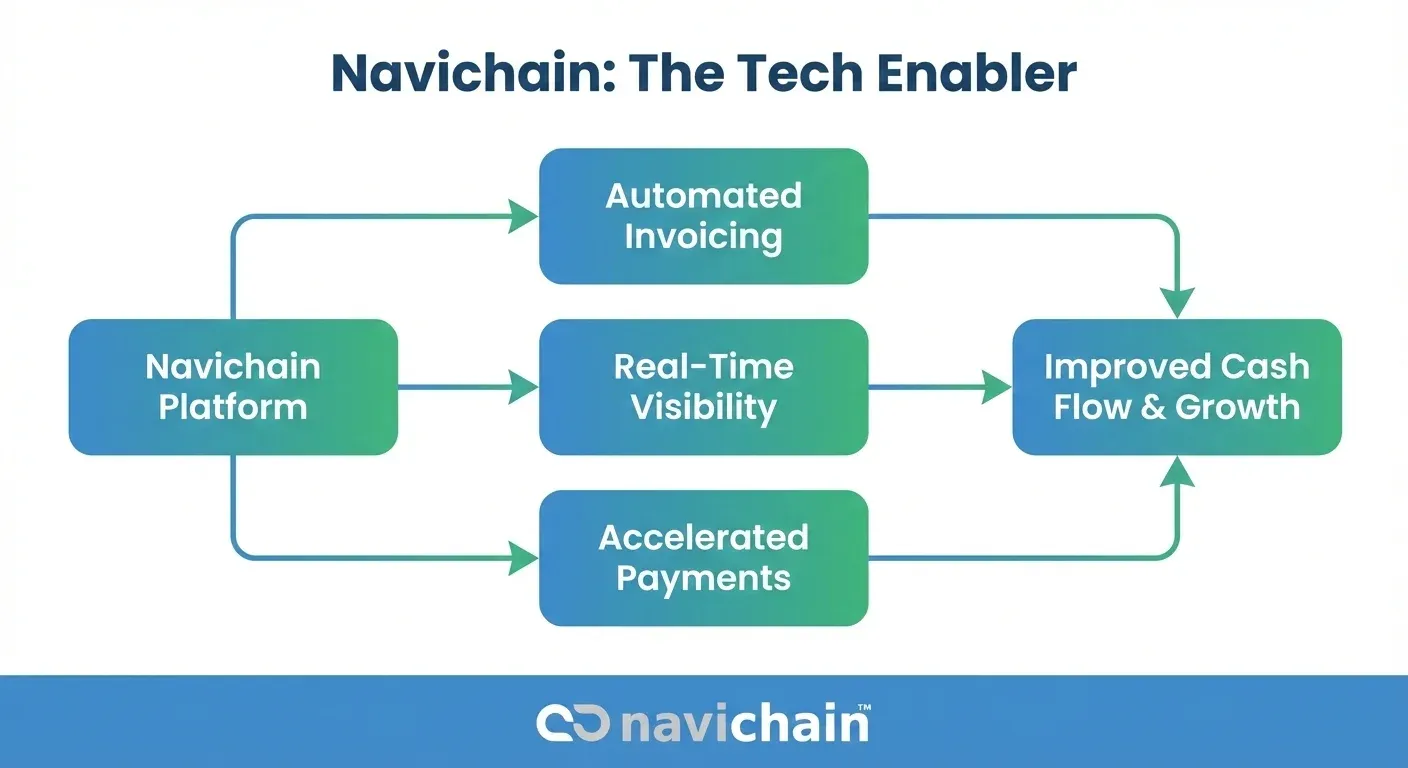
Schematic illustrating Navichain's integrated platform for streamlining operations and improving cash flow visibility for SMEs.
- Payment Optimization: Navichain uses AI to optimize payment terms and identify the best payment options for each client.
- Fraud Detection: Navichain uses AI to detect fraudulent invoices and prevent payment fraud.
- Process Optimization: Navichain uses AI to identify bottlenecks in processes and recommend improvements. By leveraging Navichain's unified operating system and AI-driven insights, SMEs can significantly improve their cash flow management and build a more resilient and profitable business.
Section 5: Business outcomes: ROI, efficiency gains, and strategic resilience
The implementation of Navichain and the adoption of the strategies outlined in this report can lead to significant business outcomes for SMEs in the logistics and transportation sectors. These outcomes include: * Improved ROI: By streamlining processes, automating workflows, and accelerating payments, Navichain can significantly improve ROI.
Navichain helps SMEs alleviate cash flow pressures by providing real-time visibility and control over financial processes.
- Increased Efficiency: Navichain can automate tasks such as data entry, invoice generation, and payment processing, freeing up employees to focus on more strategic activities.
- Reduced Costs: By streamlining processes and automating workflows, Navichain can reduce costs associated with manual labor, errors, and delays.
- Faster Payments: Navichain can accelerate payments by automating the invoicing and payment processes and providing real-time visibility into financial performance.
- Improved Cash Flow Management: Navichain provides SMEs with the tools and insights they need to effectively manage their cash flow and reduce their vulnerability to payment delays.
- Enhanced Strategic Resilience: By improving cash flow management and reducing costs, Navichain enhances the strategic resilience of SMEs, allowing them to weather economic downturns and adapt to changing market conditions.
- Increased Competitiveness: By improving efficiency and reducing costs, Navichain allows SMEs to compete more effectively in the marketplace.
- Sustainable Growth: By improving cash flow management and enhancing strategic resilience, Navichain enables SMEs to achieve sustainable growth and build a more prosperous future. The benefits of implementing Navichain extend beyond immediate financial gains. By streamlining operations, improving communication, and fostering collaboration, Navichain helps SMEs build a stronger, more resilient, and more competitive business.
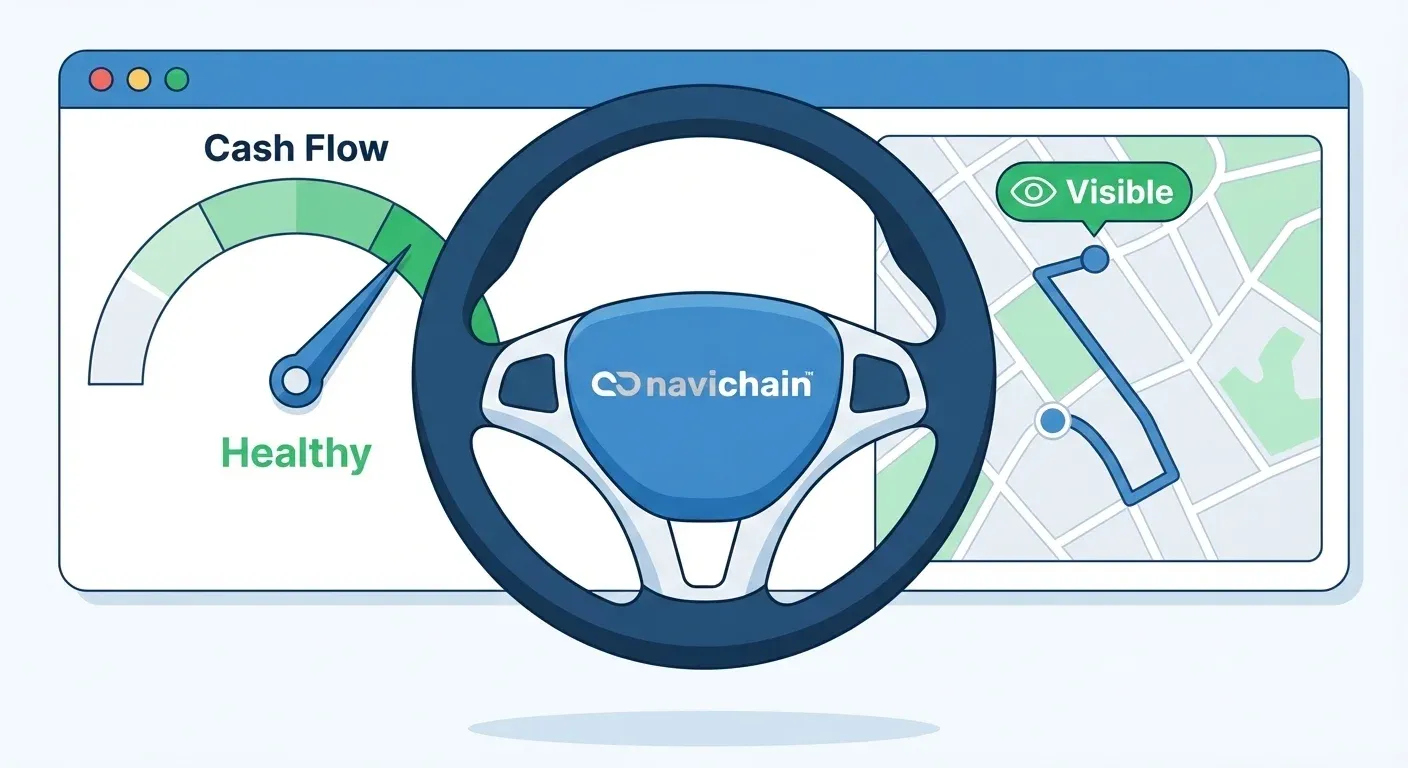
Navichain empowers SMEs to proactively manage their finances, reducing the strain of cash flow challenges and fostering stability.
Conclusion: Seize control of your financial destiny
The cash flow squeeze is a significant threat to SMEs in the logistics and transportation sectors, but it is not an insurmountable challenge. By adopting a holistic approach to cash flow management, implementing strategic negotiation tactics, and leveraging technology-enabled solutions like Navichain, SMEs can regain control of their finances and build a more resilient and prosperous future. The time for action is now. Don't let delayed payments stifle your growth and erode your profitability. Embrace the strategies and solutions outlined in this report, and take control of your financial destiny. Navichain offers a powerful platform to streamline your operations, automate your workflows, and accelerate your payments. By partnering with Navichain, you can transform your SME into a more efficient, more competitive, and more profitable business. The future of your business depends on it.
References
- European Commission. (2024). Late Payment Directive (2011/7/EU): A guide for SMEs. https://ec.europa.eu/growth/smes/support/prompt-payment/directive_en
- International Road Transport Union (IRU). (2023). The Impact of Payment Delays on Road Transport SMEs. https://www.iru.org/resources/newsroom/impact-payment-delays-road-transport-smes
- McKinsey & Company. (2023). Supply Chain Resilience: Overcoming Disruptions and Building a Stronger Future. https://www.mckinsey.com/capabilities/operations/our-insights/supply-chain-resilience-overcoming-disruptions-and-building-a-stronger-future
- Gartner. (2024). Gartner Supply Chain Top 25. https://www.gartner.com/en/supply-chain/trends/supply-chain-top-25
Navichain platform facilitating improved supply chain visibility and control, aiming to alleviate cash flow pressures. The platform offers a unified view of the supply chain, enhancing decision-making and risk management.
.jpeg)
Navichain offers a platform for increased supply chain transparency and control, addressing cash flow challenges through improved visibility. This unified view aids in informed decision-making and effective risk mitigation.
Ready to optimise your supply chain?
navichain Insights Newsletter
Join the newsletter to receive the latest updates in your inbox.