
Beyond Legacy: Redefining the European Logistics OS (A Competitive Matrix)
Table of Contents
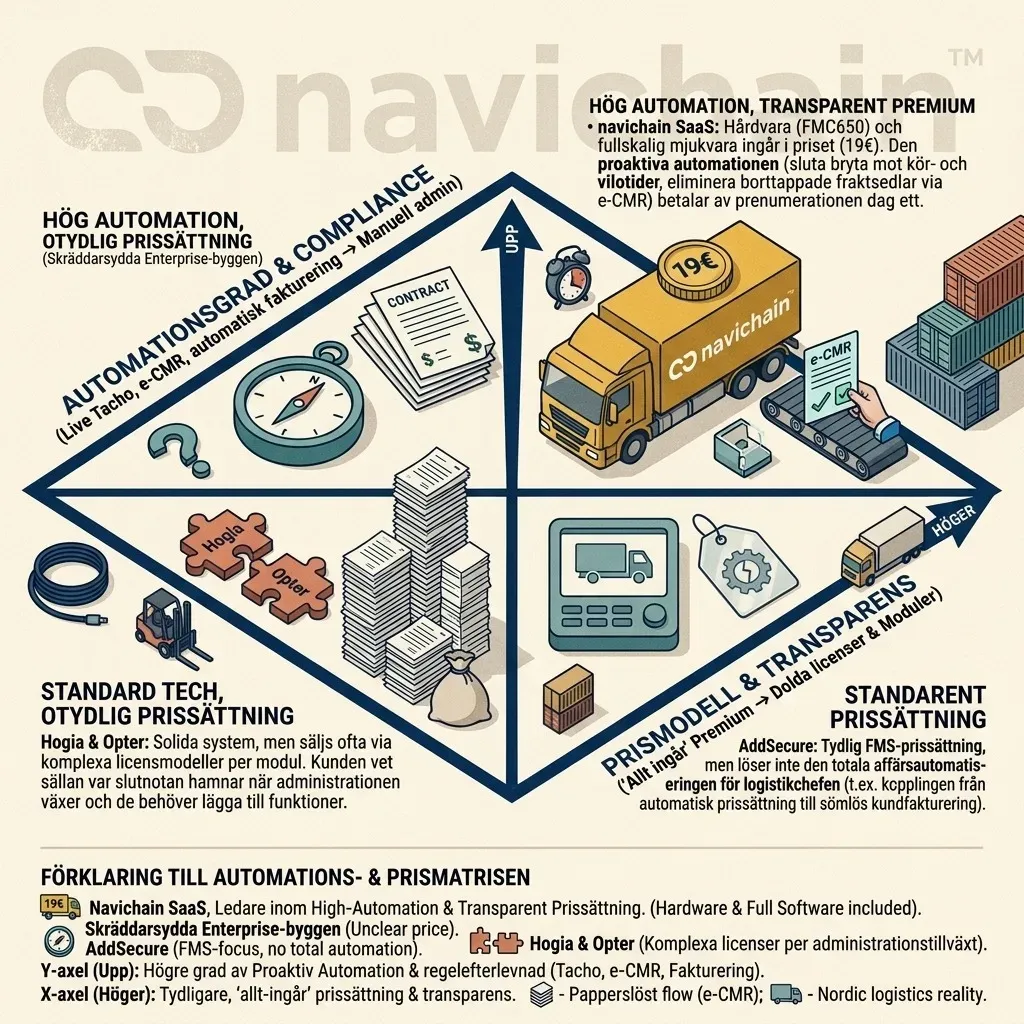
Figure 1: Capability Matrix (Quadrant 2) - navichain SaaS leads the market in high automation and transparent pricing.
Executive Summary: European logistics SMEs are trapped between disjointed legacy systems and complex enterprise software. While platforms like Opter, Hogia, and AddSecure have served the market historically, they struggle with modern API agility, cloud-native configurability, and rigid pricing. This analysis introduces 6 definitive 'Magic Quadrants' evaluating the European market, revealing why navichain SaaS is a fundamentally new breed of unified operating system—balancing Operational Excellence with the absolute Strategic Trust required in a post-Cloud Act Europe.
1. The Operational Challenge: Escaping the Legacy Trap
For the past two decades, the European logistics sector has been dominated by a handful of legacy software providers. Solutions from companies like Opter, Hogia, and AddSecure became the default choices not because they were perfect, but because they were early. Today, European SMEs operating in asset-heavy industries face an entirely different landscape: crippling labour shortages, volatile fuel costs, and aggressive GDPR and Cloud Act compliance requirements.
The old way of working is fundamentally broken. Transport managers are forced to stitch together a Transport Management System (TMS) from one vendor, a telematics solution from another, and financial software from a third. This fragmentation results in massive data latency, manual double-entry, and an inability to see the true profitability of a single run. The friction is not just an IT headache; it is a direct, measurable drain on gross margins.
2. The Conceptual Shift: From 'Software Tools' to a 'Unified OS'
Strategic dominance in modern logistics requires a fundamental conceptual shift: we must stop buying isolated tools and invest in a Unified Operating System.
Legacy competitors build software as isolated towers. To connect a traditional TMS to a modern CRM or a dynamic AI routing tool requires expensive IT consultants, custom API bridging, and months of testing. We need an end-to-end ecosystem where the transport booking, the driver application, the fleet maintenance schedule, and the final invoice are native to the exact same database. This removes the friction of integration and replaces it with instant, real-time operational clarity.
3. Introducing the 6 Magic Quadrants of European Logistics
To truly understand the landscape, we must plot the major players across six critical axes of business performance. We have analysed navichain against established European incumbents like Opter (TMS), Hogia (Transport/Finance), AddSecure (Telematics), and larger enterprise networks like Webfleet and Transporeon. This 'Magic Quadrant' approach reveals the stark contrast between legacy architecture and the new breed of logistics SaaS.
4. Technical Breakdown: Navigating the Matrices
How does a unified system physically differ from legacy counterparts? It comes down to architectural DNA.
Let us examine the market through our six configured quadrants:
Quadrant 1: The Agility Matrix (Implementation Time vs. Price)
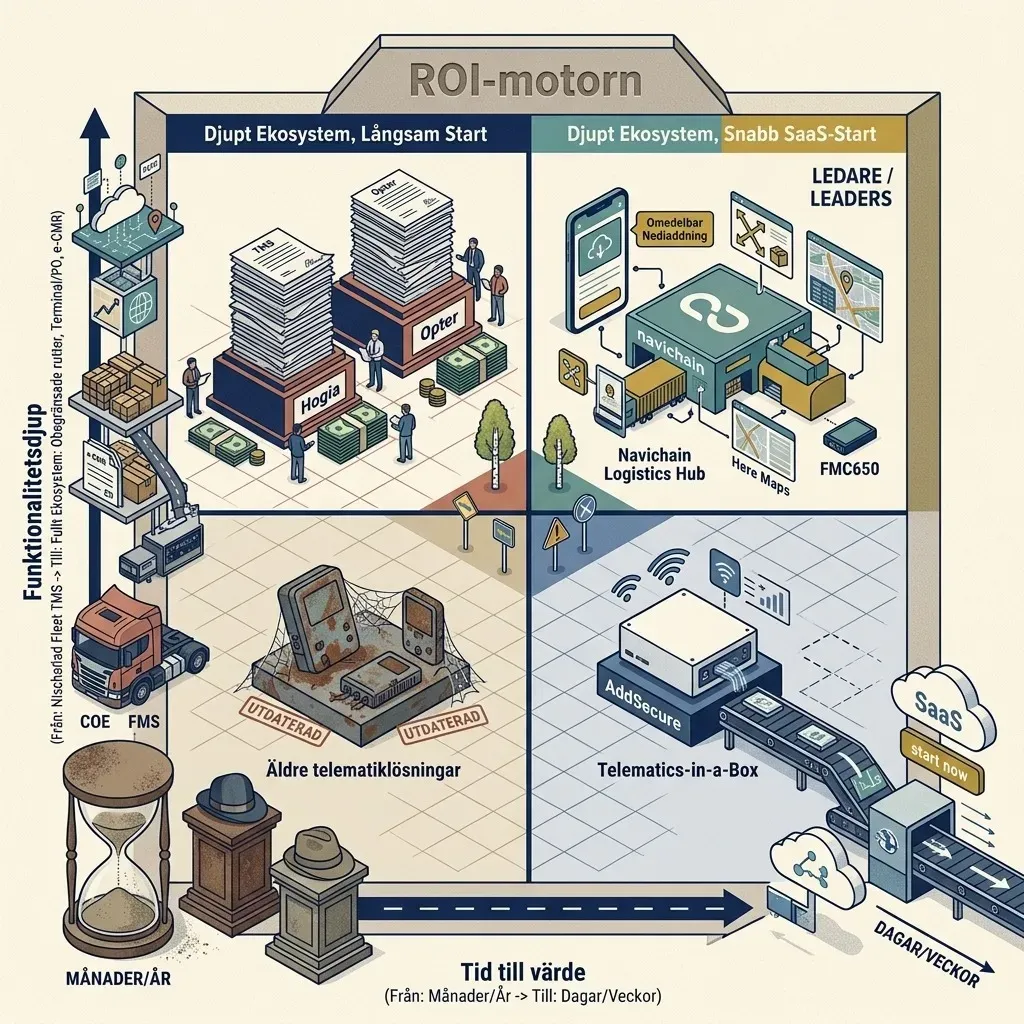
Figure 2: The ROI engine highlights where established solutions land on the spectrum between time-to-value and functional depth.
- The Y-Axis (Speed to Value): How fast can a company go live without disrupting operations?
- The X-Axis (Cost/TCO): From budget-friendly to enterprise-expensive.
- The Landscape: Opter and Transporeon sit in the high-cost, slow-implementation quadrant, requiring heavy installation or extensive coding. Hogia is moderate on speed, but hidden costs accumulate with modular add-ons.
- The navichain Position: Top Right (Fastest Implementation, Highly Competitive Cost). Navichain’s cloud-native SaaS architecture can be deployed in days, not months, delivering immediate ROI without crippling capital expenditure.
Quadrant 2: The Capability Matrix (Functionality vs. Configurability)
(See the matrix illustrating this at the top of the article)
- The Landscape: AddSecure excels in out-of-the-box hardware pairs but lacks deep commercial TMS configurability. Opter is highly configurable but acts as a rigid shell until highly-paid consultants build your workflows.
- The navichain Position: Top Right. A rare hybrid offering robust, best-practice workflows ready immediately, coupled with a highly modular rules engine that allows SMEs to configure unique delivery terms, unit conversions, and pricing structures dynamically.
Quadrant 3: The Trust Matrix (API Integration vs. Data Sovereignty)
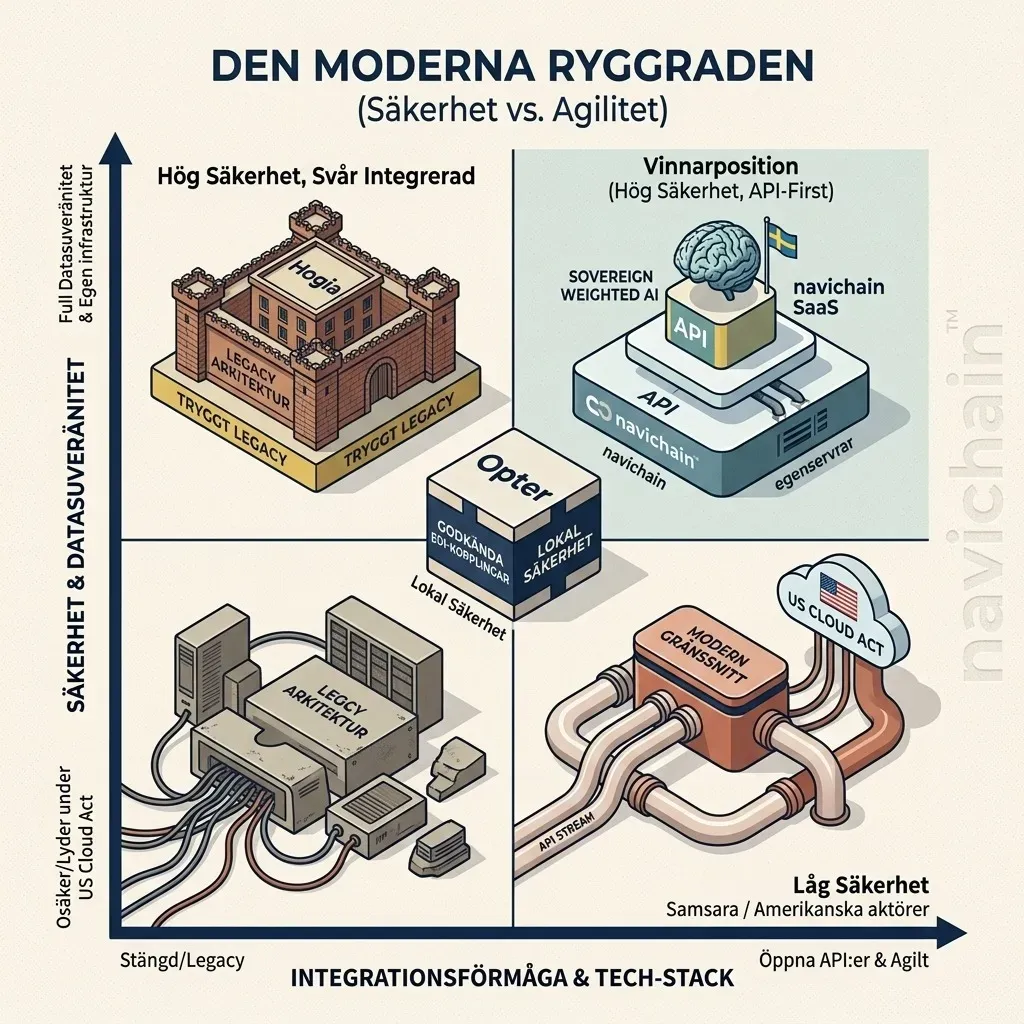
Figure 3: The Trust Matrix underscores how regional players often sit on clunky legacy infrastructure, while foreign players compromise security.
- The Y-Axis (API Openness): How easily does it talk to external systems via REST APIs?
- The X-Axis (Security & Sovereignty): Protection against the US Cloud Act and strict GDPR compliance.
- The Landscape: American systems feature great APIs but fail the data sovereignty test for strict European operators. Legacy regional systems like Hogia are secure locally but notoriously difficult to integrate via modern APIs.
- The navichain Position: Top Right. Navichain pairs an ultra-modern, fully documented Open API with absolute Data Sovereignty. Our self-hosted, European-centric architecture ensures your data remains entirely within your control while connecting to your external partners seamlessly.
Quadrant 4: The User Experience Matrix (Simplicity vs. Operational Power)
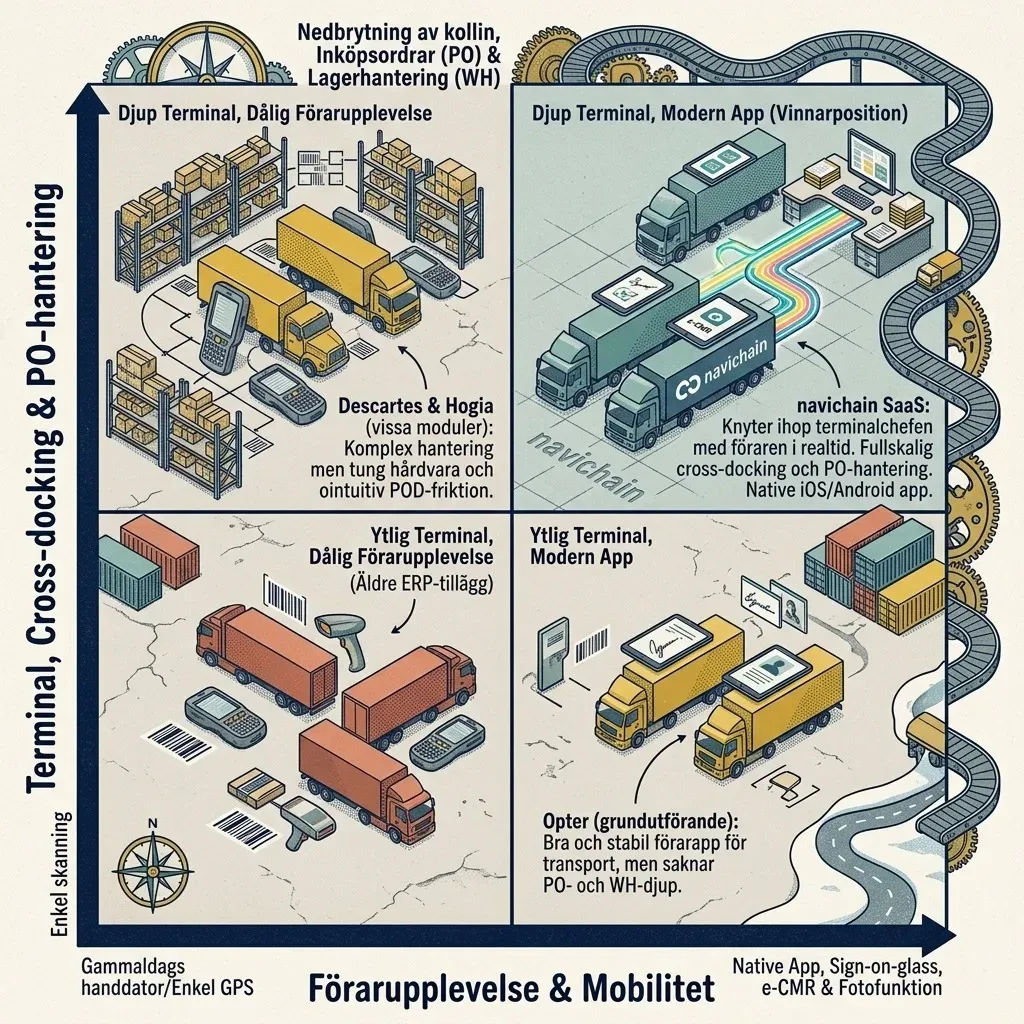
Figure 4: The market often divides 'modern driver app' and 'heavy, flexible backoffice functionality'.
- The Landscape: Many simple dispatch apps fail when operations scale. Conversely, enterprise systems like Alpega or Opter can handle immense complexity but feature intimidating, dated interfaces that require extensive training. Navichain makes complex tasks—like dragging and dropping bookings onto a multi-stop run with auto-optimisation—feel effortless through Scandinavian design principles, reducing onboarding time by up to 80%.
Quadrant 5: The Architecture Matrix (Unified Ecosystem vs. Fragmented Modules)
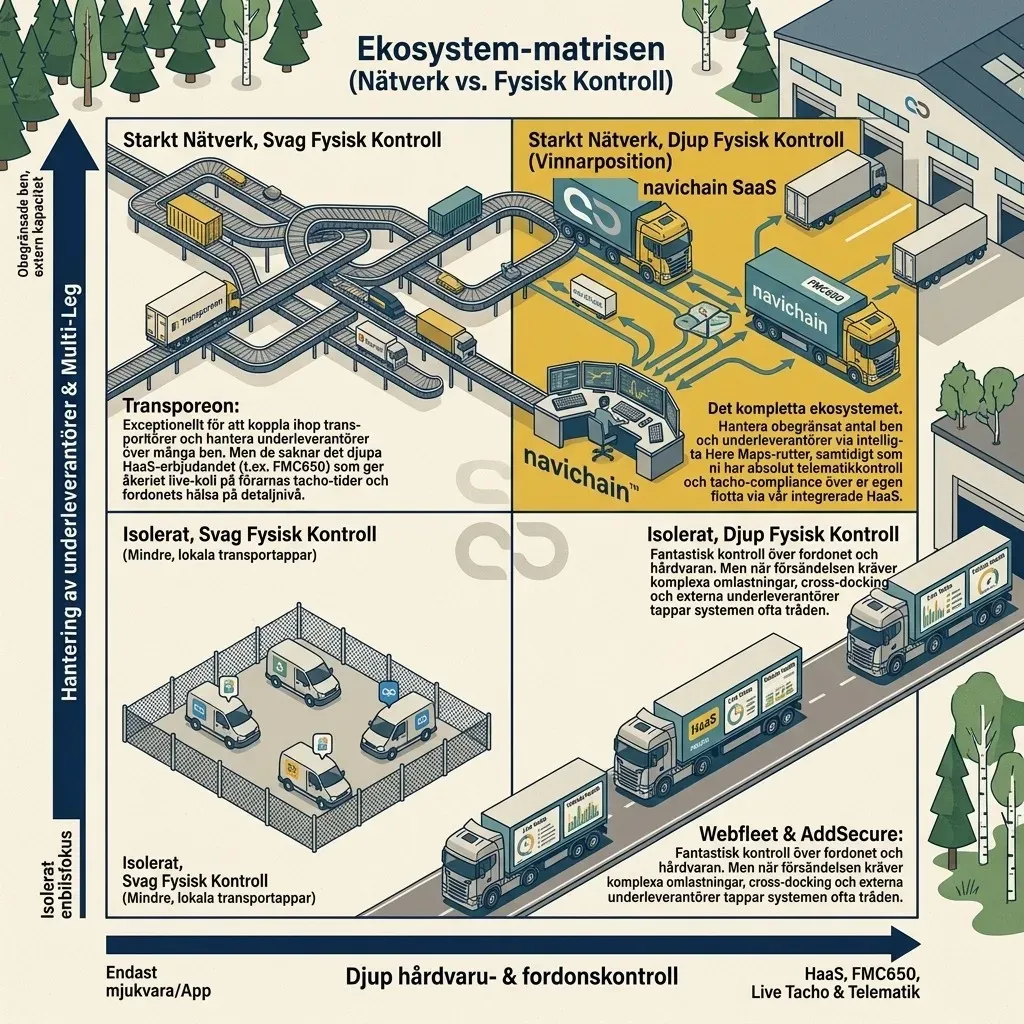
Figure 5: The Ecosystem Matrix illustrates the difference in capability to actively monitor both massive multi-leg networks and deep physical assets (live tacho/HaaS).
- The Landscape: Hogia and Webfleet typically require clients to jump between different modules or entirely different software packages for accounting, dispatch, and vehicle tracking. Navichain is a singular platform. When a dispatcher updates a run, the driver's app, the customer's portal, and the finance team's invoice are updated simultaneously without batch processing.
Quadrant 6: The Future-Readiness Matrix (Manual Rules vs. AI Automation)
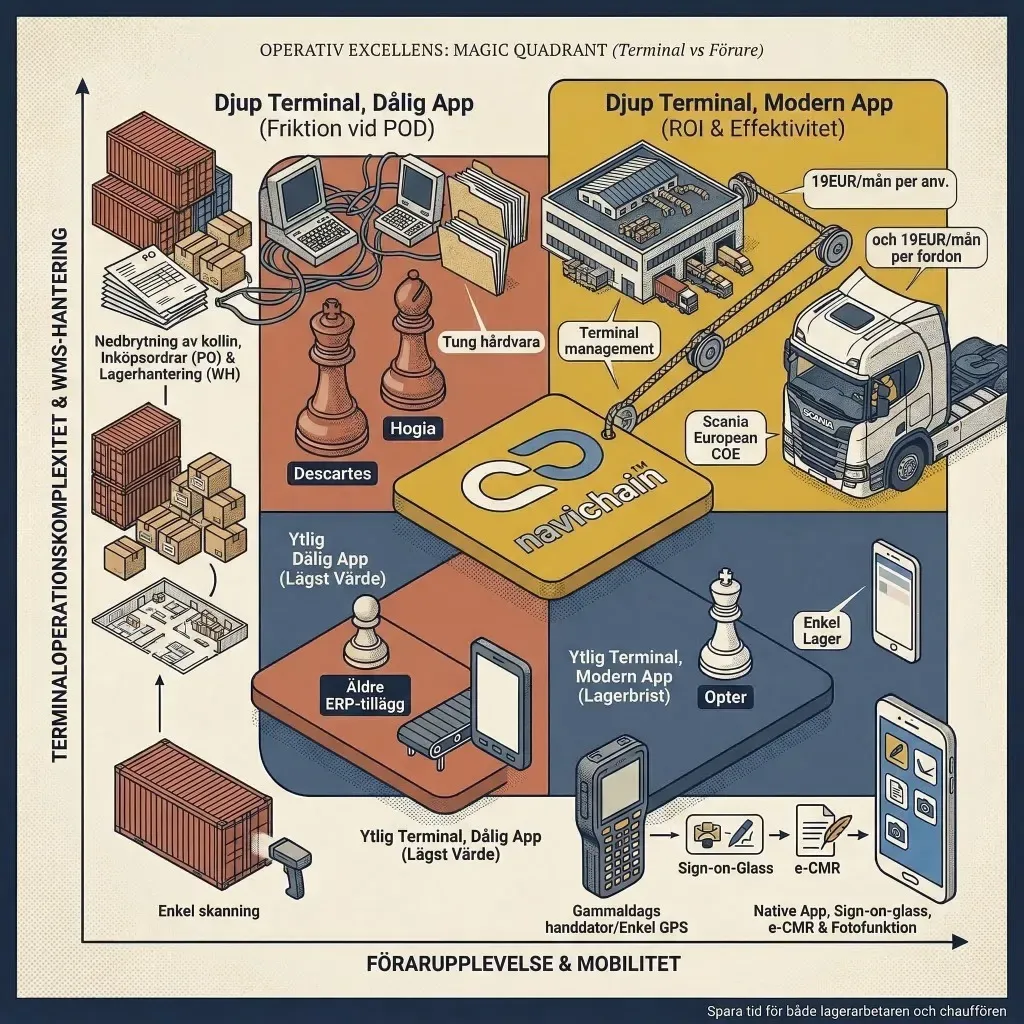
Figure 6: Operational Excellence (Terminal vs Driver) – Navichain unites deep terminal handling for complex operations with a crisp driver app at full price transparency.
- The Landscape: Most legacy competitors operate on static, manual rule engines. If a parameter changes, a human must manually update the system. Navichain incorporates intelligent automation, self-hosted AI anomaly detection, and dynamic pricing rules, allowing SMEs to scale order volume without scaling back-office headcount.
5. The Data Argument: The ROI of Agility
SMEs often hesitate to switch systems, fearing the pain of migration. However, the data reveals that the pain of staying is far worse.
When a European transport company migrates from a fragmented ecosystem (e.g., AddSecure for tracking + Hogia for finance + spreadsheets for planning) into navichain's Unified OS, the ROI is immediate and measurable: * Implementation Speed: Legacy systems average 4-8 months for a full rollout. Navichain averages 2-4 weeks. * Administrative Overhead: By unifying dispatch and invoicing, navichain users report a 40% reduction in time spent on manual data entry compared to fragmented setups. * Error Rates: Real-time data validation in navichain reduces invoicing errors by up to 85%, ensuring faster cash flow and fewer customer disputes.
6. The Navichain Difference: Operational Excellence meets Strategic Trust
The market has previously forced transport companies to choose between great technology and secure technology. You could have a slick, modern US-based SaaS platform (and accept the data privacy risks of the Cloud Act), or you could have a secure, locally-hosted European legacy system (and accept a terrible user experience).
Navichain is the first to bridge this gap. We provide Operational Excellence through consumer-grade UI, intelligent automation, and deep configurability. Simultaneously, we guarantee Strategic Trust. Navichain can be self-hosted or hosted strictly within EU borders, offering complete data sovereignty. We do not sell your data, and we are not subject to foreign governmental overreach. For European logistics companies carrying sensitive freight or government contracts, this is not just a feature; it is a vital competitive advantage.
7. Empowering the SME Ecosystem: The New Breed
The European logistics sector is the backbone of the continent's economy, yet SMEs have been historically underserved by software vendors who prioritize enterprise giants.
Navichain is a new breed because it democratises enterprise-grade technology. We give a 20-truck operation the same operational clarity, integration speed, and data security as a 2,000-truck multinational. By replacing your fragmented legacy tools with navichain's unified operating system, you are not just upgrading your IT. You are protecting your margins, empowering your dispatchers, and securing your company's future in an unpredictable world.
References * European Data Protection Board (EDPB) - Guidelines on GDPR and Third-Country Data Transfers (Cloud Act implications). * Supply Chain Executive Report (2025). The Hidden Cost of Legacy TMS Implementations in European Logistics. * Navichain Internal Telemetry Data - SME Implementation Benchmarks 2024-2025.
navichain Insights Newsletter
Join the newsletter to receive the latest updates in your inbox.



)