Beyond the Silo: Why ''Best-of-Breed'' is Breaking European Supply Chains
Table of Contents
Is Your "Best-of-Breed" Supply Chain a Best-of-Breed Mess? European SMEs are discovering that the promise of specialized software has morphed into a tangled web of inefficiencies. This deep dive reveals how a unified platform can unlock streamlined operations, boosted margins, and a competitive edge.
Beyond the Silo: Why ''Best-of-Breed'' is Breaking European Supply Chains
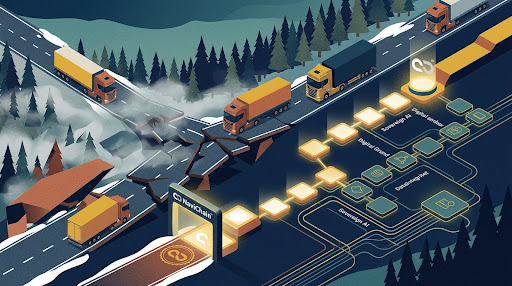
Best-of-breed complexity: Data silos hinder unified supply chain visibility and agility.
Executive summary
European SMEs face a critical challenge: the "best-of-breed" approach to supply chain management, once hailed as a path to operational excellence, has created a fragmented landscape of disconnected systems. This fragmentation leads to data silos, manual data entry, complex integrations, and a lack of visibility, ultimately stifling productivity, increasing costs, and diminishing profitability. This report dissects the costly consequences of this fragmentation and presents a compelling case for a unified platform approach, exemplified by Navichain SaaS, as a strategic solution for achieving sustainable growth, enhanced resilience, and a competitive advantage in today's demanding market. Disconnected systems: Fragmented data hinders SME supply chain performance and profitability.
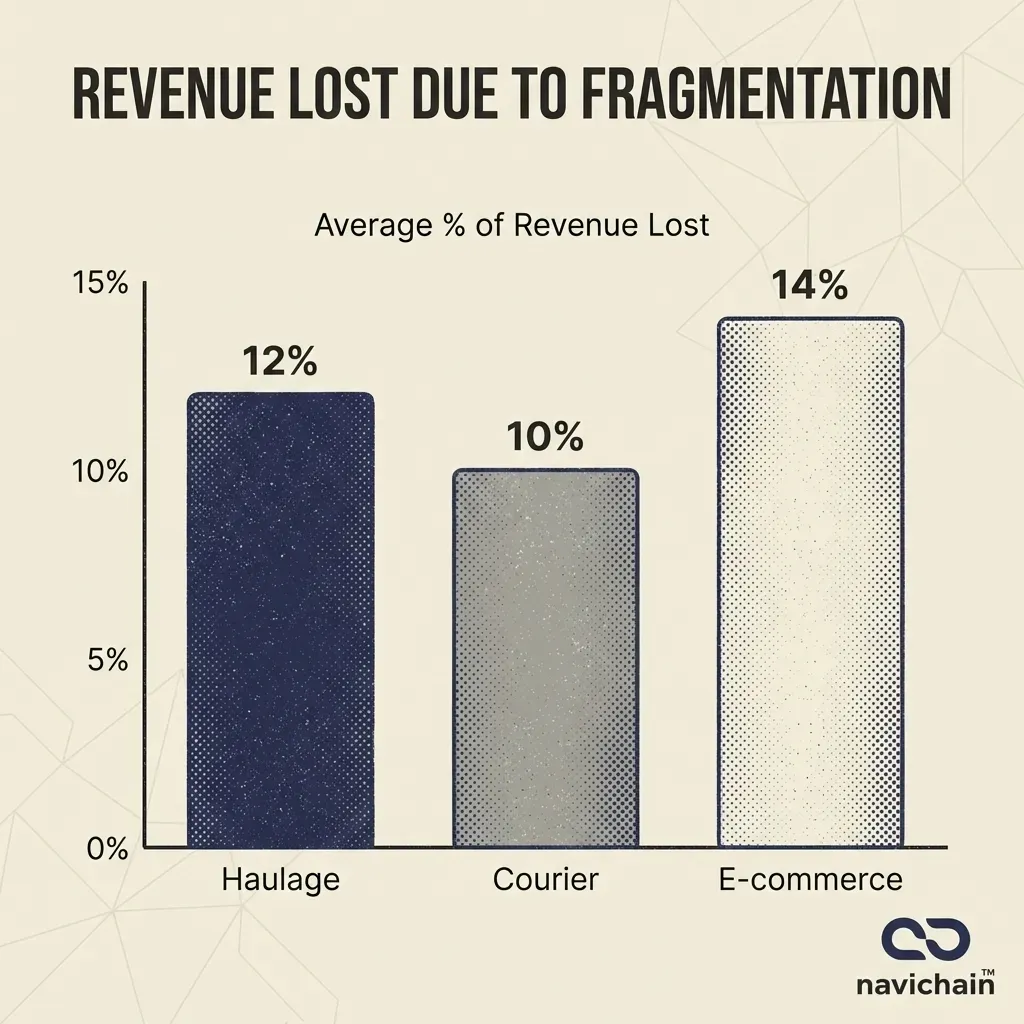
Data silos and fragmented systems impede real-time visibility, leading to slower response times and increased operational costs for European SMEs.
Introduction: The supply chain crossroads
The modern supply chain is a complex ecosystem, a delicate dance of interconnected processes that spans continents and involves countless stakeholders. For European SMEs, navigating this complexity is crucial for survival and growth. In recent years, the prevailing wisdom has been to adopt a "best-of-breed" strategy, selecting specialized software solutions for each specific function – transportation management systems (TMS), warehouse management systems (WMS), customer relationship management (CRM), and more. The initial appeal of this approach is undeniable. Why settle for a generic, all-in-one solution when you can choose the absolute best tool for each individual task? However, the reality for many European SMEs has been far from ideal. Instead of creating a seamless, efficient supply chain, the "best-of-breed" approach has often resulted in a fragmented landscape of disconnected systems, each operating in its own silo, unable to communicate effectively with the others. This report delves into the hidden costs and operational inefficiencies of this fragmented approach and explores the transformative potential of a unified platform strategy. Best-of-breed supply chain tech: A complex, interconnected landscape for European SMEs.
Section 1: The challenge: the pain and cost of fragmentation
The fragmented "best-of-breed" approach presents a multitude of challenges for European SMEs, each contributing to increased costs, reduced efficiency, and a diminished ability to compete effectively. These challenges can be categorized as follows: * Data Silos: The Information Black Hole: Perhaps the most significant consequence of fragmentation is the creation of data silos. Critical information is trapped within individual systems, making it difficult to gain a holistic view of operations. This lack of integrated data hinders real-time decision-making, prevents accurate forecasting, and makes strategic planning a guessing game. Imagine trying to navigate a city with only fragments of a map – that's the reality faced by SMEs struggling with data silos.
- Manual Data Entry: The Productivity Killer: Moving data between disparate systems often requires manual input, a time-consuming and error-prone process that diverts valuable resources from more strategic activities. Employees spend countless hours copying and pasting data between systems, increasing the risk of errors and delays. This not only reduces productivity but also creates frustration and dissatisfaction among employees.
- Integration Nightmares: The IT Budget Drain: Integrating "best-of-breed" solutions is often a complex and expensive undertaking. Even when integrations are successful, they can be fragile and require ongoing maintenance. SMEs often find themselves spending a significant portion of their IT budget on integration projects, diverting resources from other critical initiatives. Furthermore, these integrations can become a bottleneck, hindering the adoption of new technologies and preventing SMEs from adapting quickly to changing market conditions.
- Lack of Visibility: The Blind Spot: With data scattered across multiple systems, it's difficult to track key performance indicators (KPIs) and identify areas for improvement. This lack of visibility hinders operational efficiency and makes it difficult to respond quickly to changing market conditions. SMEs are essentially operating in the dark, unable to see the full picture of their supply chain. This can lead to missed opportunities, increased costs, and a diminished ability to compete effectively.
- Increased Administrative Overhead: The Management Burden: Managing multiple vendors, contracts, and support channels adds to the administrative burden, consuming valuable time and resources that could be better spent on core business activities. SMEs often find themselves juggling multiple relationships, dealing with different support teams, and navigating complex licensing agreements. This administrative overhead can be a significant drain on resources, particularly for smaller organizations with limited staff.
- Security Vulnerabilities: The Hidden Risk: While each individual "best-of-breed" solution may be secure, the lack of integration between them can create vulnerabilities that hackers can exploit. This is particularly concerning in light of the increasing number of cyberattacks targeting SMEs. A fragmented system presents multiple points of entry for attackers, making it more difficult to detect and prevent security breaches. The cost of inaction is significant. European SMEs that fail to address these challenges risk falling behind their competitors, losing market share, and ultimately, jeopardizing their long-term survival. The operational friction created by disparate systems, the hidden costs associated with inefficient workflows, and the lost opportunities that result from a lack of supply chain visibility all contribute to a significant drag on profitability and growth.
Data silos: Fragmented systems obscure the complete operational picture, hindering SME growth.
Section 2: The context/data: industry trends and the "best-of-breed" paradox
The rise of "best-of-breed" solutions was initially driven by the promise of specialized functionality and increased efficiency. However, the reality has often fallen short of expectations. Several industry trends have contributed to this paradox: * Increasing Supply Chain Complexity: Modern supply chains are becoming increasingly complex, with more stakeholders, more channels, and more demanding customers. This complexity makes it even more challenging to manage a fragmented system of "best-of-breed" solutions.
- The Rise of E-commerce: The growth of e-commerce has placed new demands on supply chains, requiring faster delivery times, greater flexibility, and more accurate inventory management. Fragmented systems struggle to meet these demands, leading to delays, errors, and customer dissatisfaction.
- The Importance of Real-Time Data: In today's fast-paced business environment, real-time data is essential for making informed decisions. Fragmented systems make it difficult to access and analyze data in real-time, hindering agility and responsiveness.
Chart illustrating the inefficiencies and operational disconnects that arise from deploying disparate "best-of-breed" solutions across the supply chain.
- The Growing Threat of Cyberattacks: As mentioned earlier, fragmented systems are more vulnerable to cyberattacks. The increasing sophistication of cyber threats makes it even more important for SMEs to have a secure and integrated supply chain.
- A recent study by the European Commission found that SMEs that have fully embraced digital technologies are, on average, 26% more profitable than those that have not. Fragmentation directly hinders that digital embrace.
- In a recent survey of European SMEs, 68% reported that fragmented systems were a significant barrier to growth.
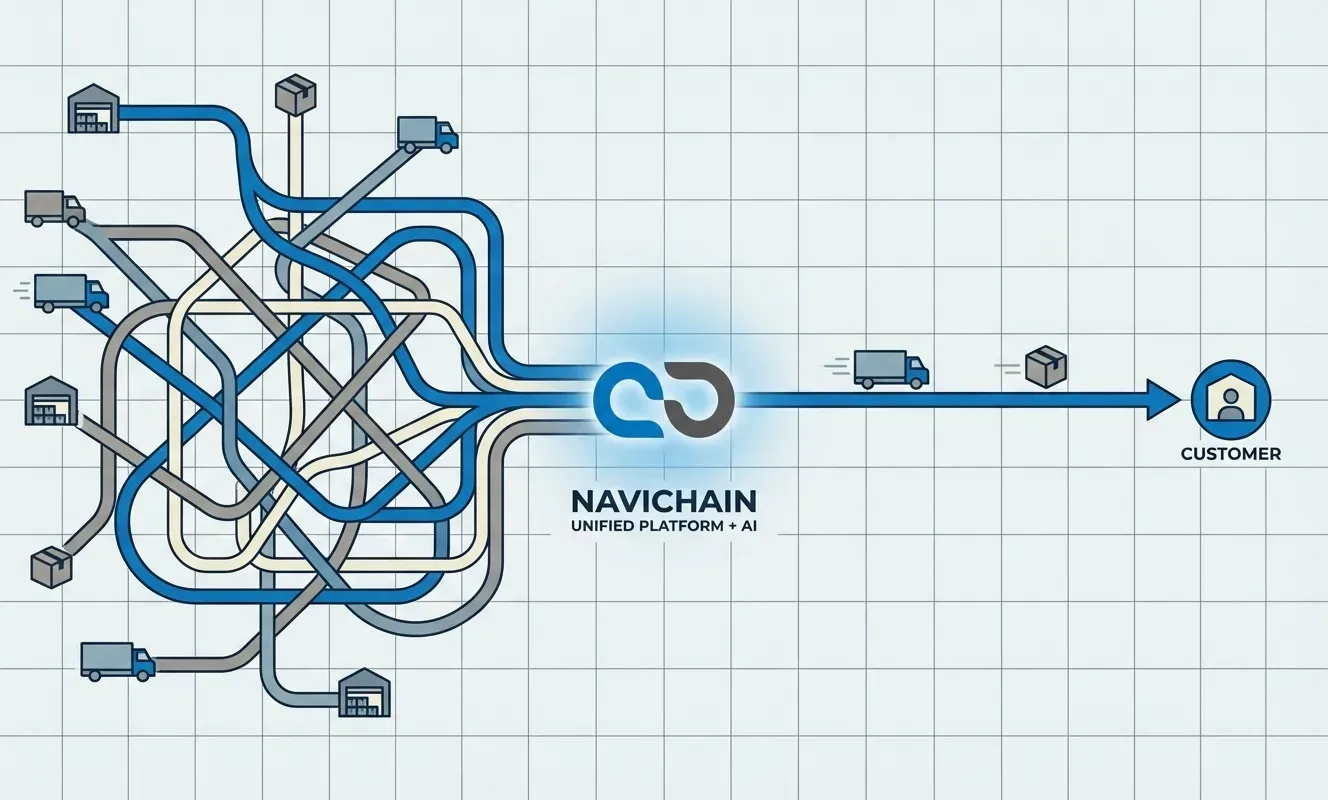
Illustration of how disparate "best-of-breed" solutions create operational siloes and inefficiencies across the supply chain.
- The average cost of a data breach for SMEs in Europe is estimated to be €75,000.
- Studies show that companies with integrated supply chains experience a 15% reduction in inventory costs and a 20% improvement in order fulfillment rates. These statistics highlight the significant impact of fragmentation on the performance of European SMEs. The "best-of-breed" approach, while initially appealing, has often created a complex and inefficient system that hinders growth, increases costs, and exposes businesses to unnecessary risks.
Best-of-breed's promise fractured by modern supply chain complexity, hindering efficiency.
Section 3: The strategic solution: embracing a unified platform
The alternative to the fragmented "best-of-breed" approach is a unified platform that integrates all key operational functions into a single, cohesive system. This approach offers several significant advantages: * Single Source of Truth: A unified platform provides a single source of truth for all operational data, eliminating data silos and ensuring that everyone has access to the most up-to-date information. This enables better decision-making, improved forecasting, and more effective strategic planning.
- Automated Workflows: Integrated workflows automate many of the manual tasks associated with "best-of-breed" systems, freeing up resources for more strategic activities. This reduces errors, improves efficiency, and allows employees to focus on higher-value tasks.
- Real-Time Visibility: A unified platform provides real-time visibility into all aspects of operations, from inventory levels and delivery schedules to customer orders and financial performance. This enables SMEs to make faster, more informed decisions and respond quickly to changing market conditions.
- Improved Collaboration: A unified platform facilitates collaboration between different departments, enabling them to work together more effectively. This breaks down silos, improves communication, and fosters a more collaborative work environment.
- Reduced Costs: By eliminating the need for multiple vendors, contracts, and support channels, a unified platform can significantly reduce IT costs and administrative overhead. This frees up resources for other critical initiatives and improves overall profitability.
- Enhanced Security: A unified platform provides a more secure environment for data storage and transmission, reducing the risk of cyberattacks. This protects sensitive data and ensures business continuity. The strategic shift to a unified platform requires a careful assessment of current systems, processes, and business needs. It's not simply about replacing existing software; it's about fundamentally rethinking how the supply chain operates and embracing a more integrated and collaborative approach. This involves:
- Defining Clear Business Objectives: What are the key goals that the unified platform should help achieve? (e.g., reducing inventory costs, improving order fulfillment rates, increasing customer satisfaction).
Schematic illustrating the integration of key supply chain functions within a unified platform to facilitate real-time data flow and collaboration.
- Mapping Existing Processes: How do current processes work, and where are the pain points?
- Identifying Integration Requirements: What data needs to be shared between different functions?
- Selecting the Right Platform: Which platform best meets the specific needs of the business?
- Implementing a Phased Rollout: A phased rollout allows for testing and refinement before a full-scale implementation.
Section 4: The tech enabler (Navichain): a unified OS for asset-heavy industries
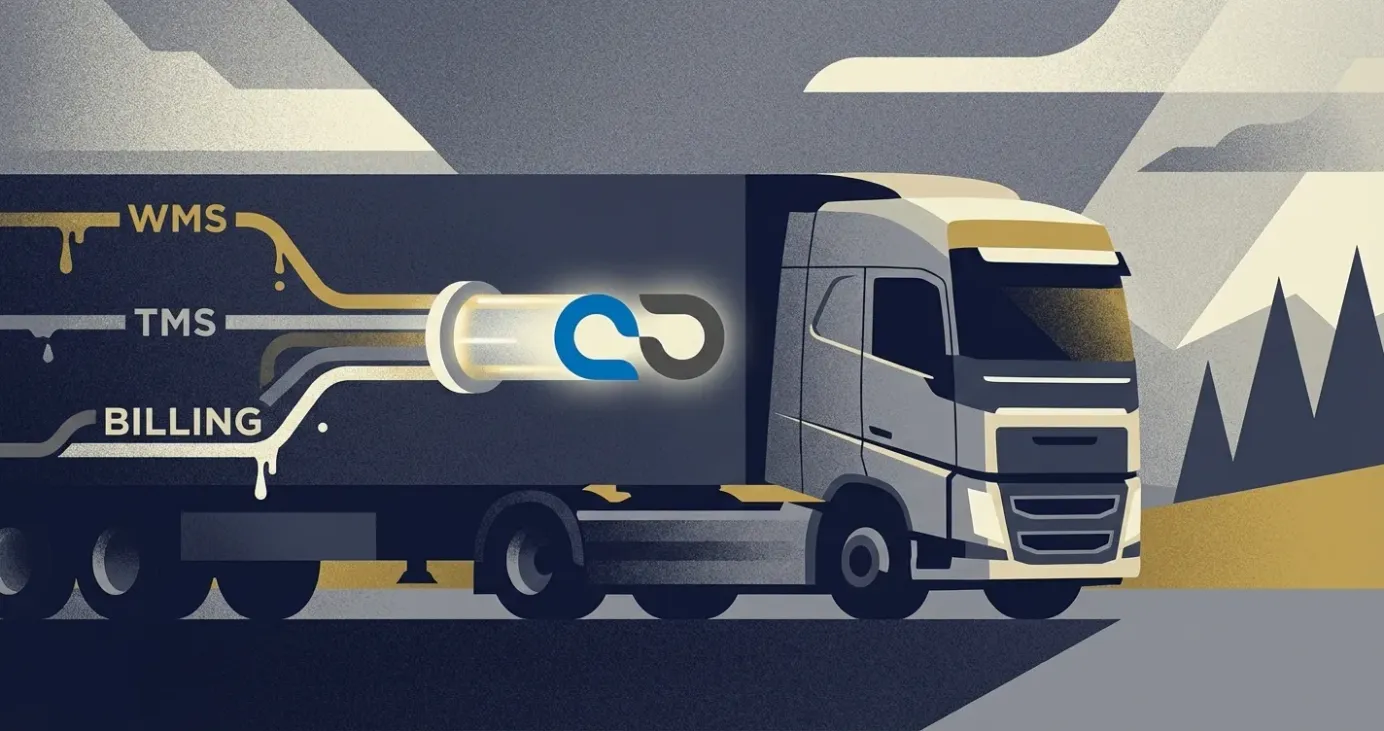
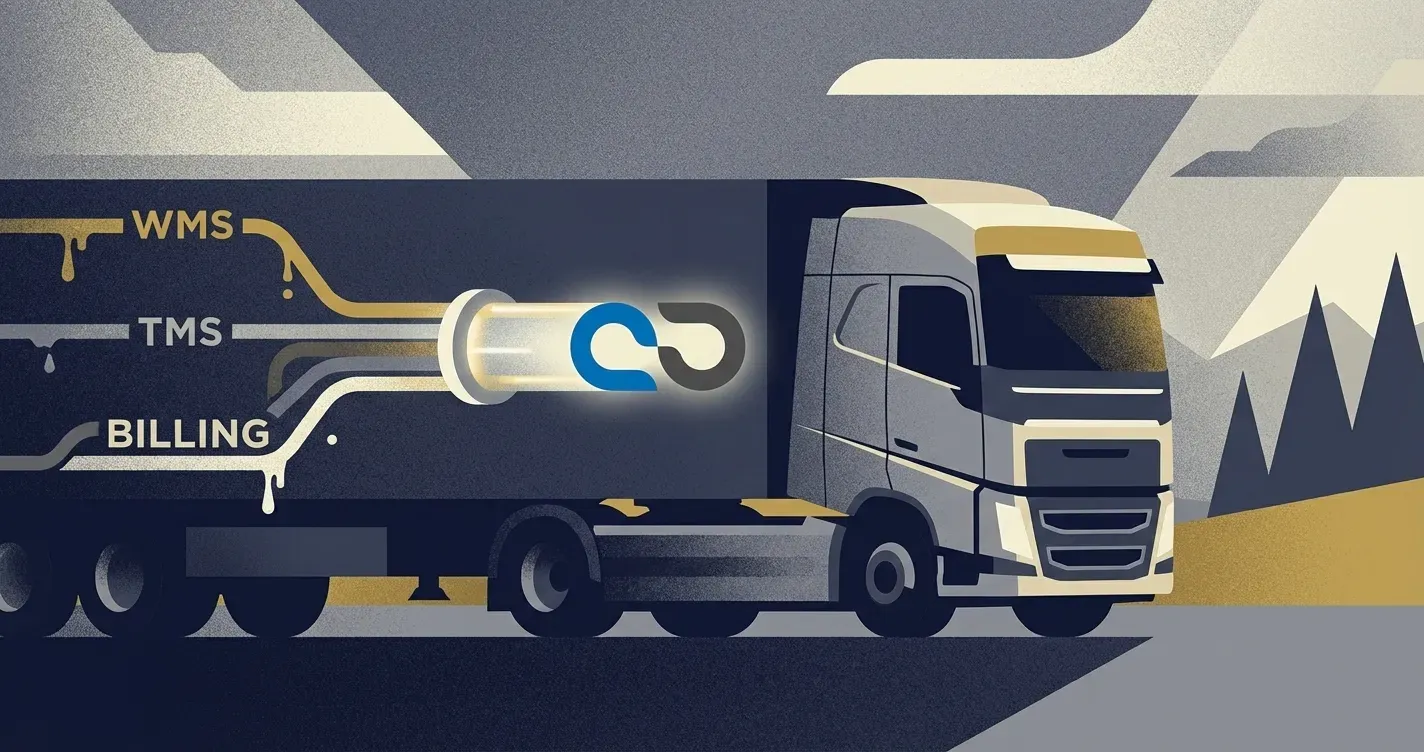
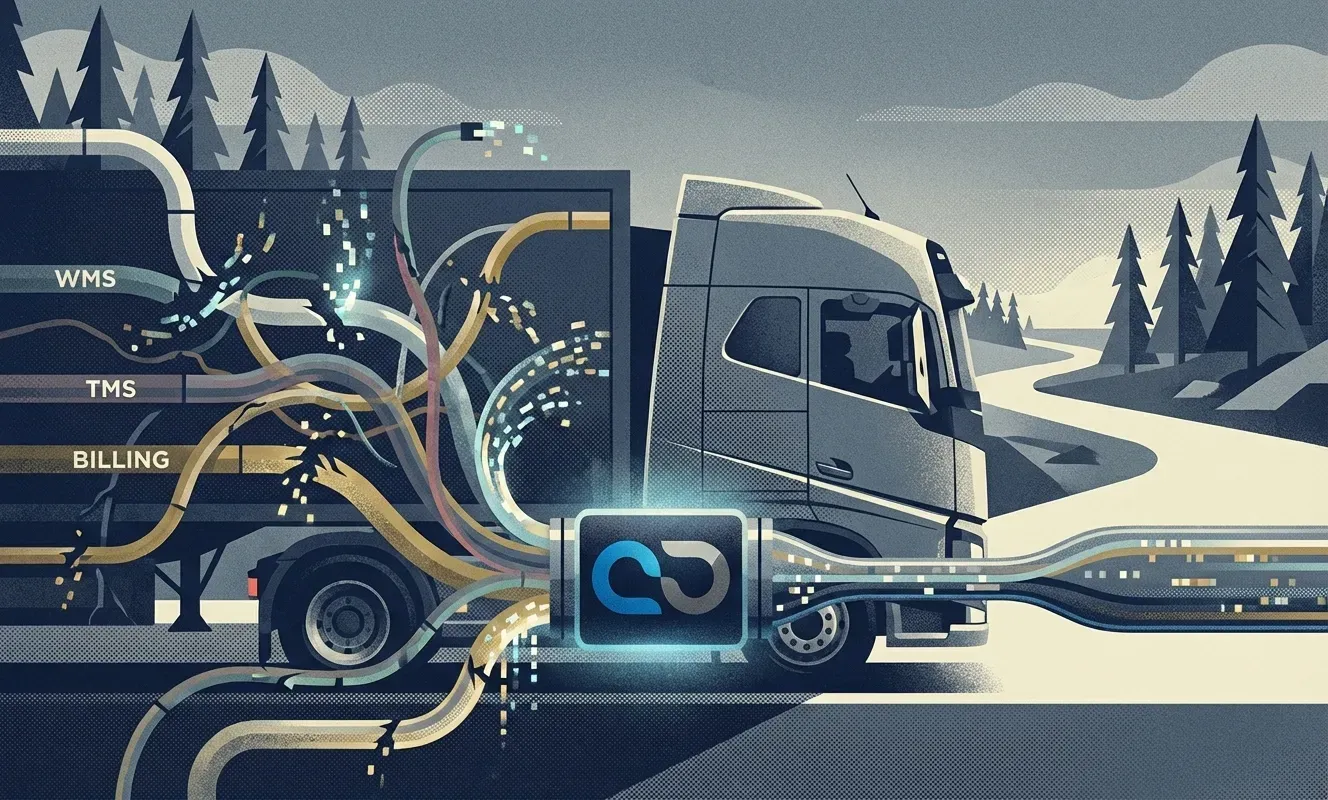
Navichain SaaS offers a unified operating system specifically designed for SMEs in asset-heavy industries, providing a comprehensive solution to the challenges of fragmented "best-of-breed" systems. Navichain replaces disparate tools with a single platform, driving efficiency, visibility, and profitability. Navichain's platform combines TMS, WMS, and Billing functionalities with integrated AI and Navichain's Sovereign Cloud, offering superior stability and data ownership compared to disjointed cloud tools. Here's how Navichain specifically addresses the challenges of fragmented "best-of-breed" systems: * Seamless Data Flow: Navichain eliminates data silos by providing a single, integrated database for all operational data. Information flows seamlessly between TMS, WMS, and Billing modules, ensuring that everyone has access to the most up-to-date information. This eliminates the need for manual data entry and reduces the risk of errors.
- Automated Workflows: Navichain automates many of the manual tasks associated with "best-of-breed" systems, such as data entry, invoice processing, and shipment tracking. This frees up resources for more strategic activities and improves overall efficiency.
- AI-Driven Optimization: Navichain leverages AI to optimize various aspects of the supply chain, such as route planning, inventory management, and demand forecasting. This helps SMEs to reduce costs, improve efficiency, and make better decisions.
- Real-Time Visibility: Navichain provides real-time visibility into all aspects of operations, from inventory levels and delivery schedules to customer orders and financial performance. This enables SMEs to make faster, more informed decisions and respond quickly to changing market conditions.

Schematic illustrating Navichain's integrated platform, replacing fragmented systems with a unified solution for seamless data flow and automated workflows.
- Enhanced Security: Navichain's Sovereign Cloud provides a secure environment for data storage and transmission, reducing the risk of cyberattacks. This protects sensitive data and ensures business continuity.
- Unified User Interface: Navichain provides a single, intuitive user interface for all modules, making it easy for employees to access and use the platform. This reduces training costs and improves user adoption. Navichain's unified OS approach provides a comprehensive solution to the challenges of fragmented "best-of-breed" systems, enabling European SMEs to streamline their operations, reduce costs, and improve their competitiveness.
Section 5: Business outcomes: ROI, efficiency gains, and strategic resilience
The implementation of a unified platform like Navichain can deliver significant business outcomes for European SMEs: * Increased Efficiency: Automation of manual tasks, streamlined workflows, and real-time visibility can lead to significant efficiency gains across the entire supply chain. This translates into reduced labor costs, faster order fulfillment, and improved customer satisfaction.
- Reduced Costs: Elimination of data silos, reduced administrative overhead, and optimized resource allocation can lead to significant cost savings. This improves profitability and frees up resources for other strategic initiatives.
Navichain's unified platform delivers tangible business outcomes, breaking down silos and optimizing processes for improved efficiency and cost savings.
- Improved Decision-Making: Real-time visibility and AI-driven insights enable SMEs to make better decisions, optimize their operations, and respond quickly to changing market conditions.
- Enhanced Customer Satisfaction: Faster delivery times, more accurate order fulfillment, and improved communication can lead to increased customer satisfaction and loyalty.
- Increased Strategic Resilience: A unified platform provides a more resilient supply chain, enabling SMEs to withstand disruptions and adapt quickly to changing market conditions.
- Improved ROI: The combination of increased efficiency, reduced costs, and improved decision-making leads to a significant return on investment (ROI) for SMEs that implement a unified platform.
- Up to 30% reduction in inventory costs.
- Up to 25% improvement in order fulfillment rates.
- Up to 20% reduction in transportation costs.
- Up to 15% reduction in administrative overhead. These quantifiable benefits demonstrate the significant impact that a unified platform can have on the bottom line of European SMEs. By embracing a unified approach, SMEs can transform their supply chains from a cost center into a competitive advantage.
Visual representation of the quantifiable benefits achieved through a unified supply chain platform, highlighting potential cost reductions and efficiency improvements for European SMEs.
Conclusion: The future of supply chain management is unified
The "best-of-breed" approach to supply chain management has proven to be a false promise for many European SMEs. The fragmentation and inefficiencies created by disparate systems have hindered growth, increased costs, and exposed businesses to unnecessary risks. The future of supply chain management lies in a unified platform approach, exemplified by Navichain SaaS, that integrates all key operational functions into a single, cohesive system. By embracing a unified platform, European SMEs can unlock streamlined operations, boosted margins, enhanced customer satisfaction, and a competitive edge in today's demanding market. It's time to break free from the constraints of fragmentation and embrace a future of streamlined efficiency, strategic resilience, and sustainable growth. The choice is clear: continue down the path of fragmented chaos, or embrace the power of unity and unlock the true potential of your supply chain.
References
- European Commission (2020). Sustainable and Smart Mobility Strategy: putting European transport on track for the future. https://ec.europa.eu/transport/themes/mobilitystrategy_en
- International Road Transport Union (IRU) (2023). The EU Mobility Package: An IRU Analysis. https://www.iru.org/resources/newsroom/eu-mobility-package-iru-analysis
- McKinsey & Company (2023). Rebooting supply chains: Resilience in the face of crisis. https://www.mckinsey.com/capabilities/operations/our-insights/rebooting-supply-chains-resilience-in-the-face-of-crisis
- Gartner (2022). Gartner Supply Chain Top 25 for 2022. https://www.gartner.com/en/newsroom/press-releases/2022-05-19-gartner-announces-2022-supply-chain-top-25-rankings
Navichain's platform visualizes and connects various nodes in the supply chain, improving transparency and collaboration.

Navichain's platform provides a networked visualization of the supply chain, enhancing visibility and enabling streamlined communication between partners.
Ready to optimise your supply chain?
navichain Insights Newsletter
Join the newsletter to receive the latest updates in your inbox.