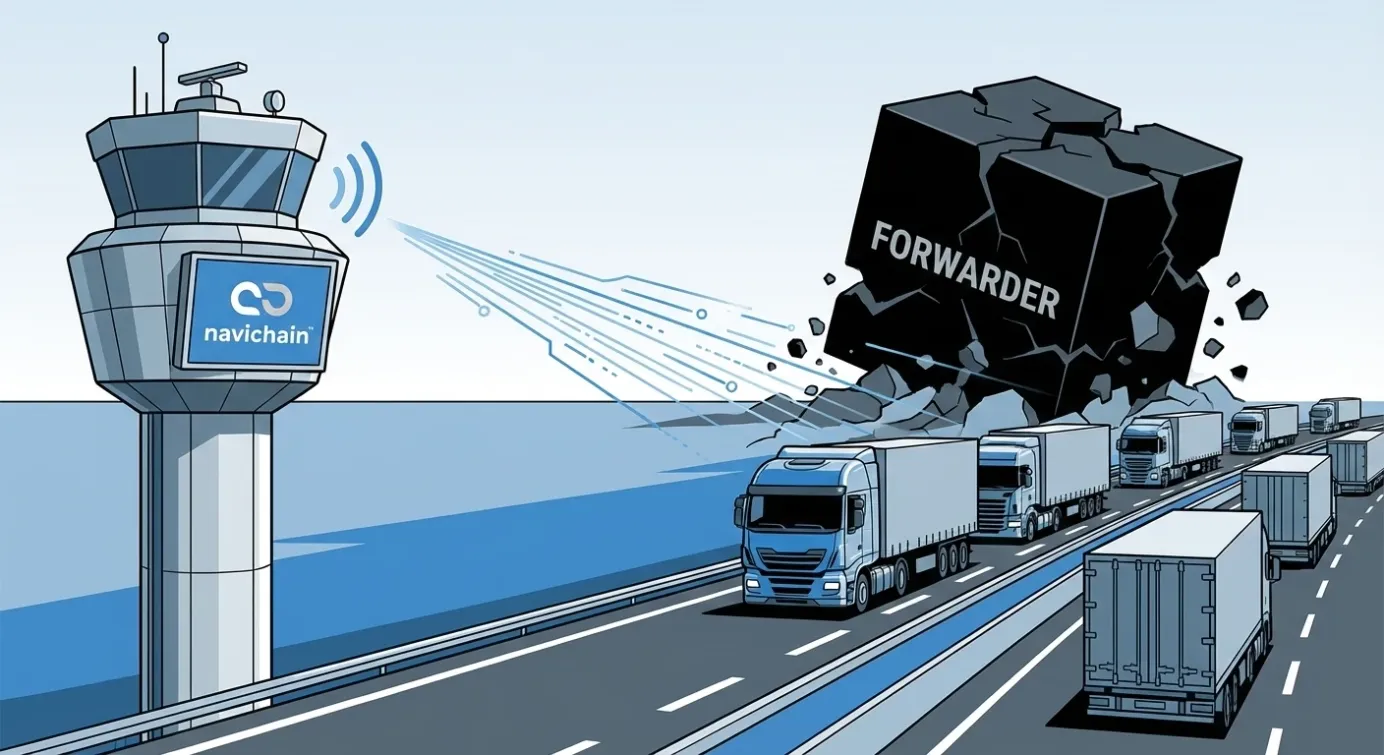
The Shift to Self-Orchestration: How BCOs Can Bypass the Middleman Without Breaking the Chain
Table of Contents
Are you moving away from the 'Black Box' of freight forwarding to manage your own carriers? The margin gains are real, but so is the administrative chaos. Discover how the right digital operating system turns fragmentation into profitability.
Executive Summary
The era of the 'Black Box' freight forwarder is ending for mature Beneficial Cargo Owners (BCOs). In a bid to reclaim margins and gain visibility, European businesses are increasingly choosing to 'steer the ship' themselves—contracting directly with hauliers, shipping lines, and rail operators.
However, this strategic pivot introduces a new adversary: The Administrative Puzzle. Moving from a single point of contact to managing 20+ direct carrier relationships can paralyse a logistics department. This White Paper explores how BCOs can successfully transition to self-orchestration by leveraging a Unified Logistics Operating System, ensuring that the cost of administration does not consume the savings on freight.
Section 1: The Challenge – The Administrative Puzzle
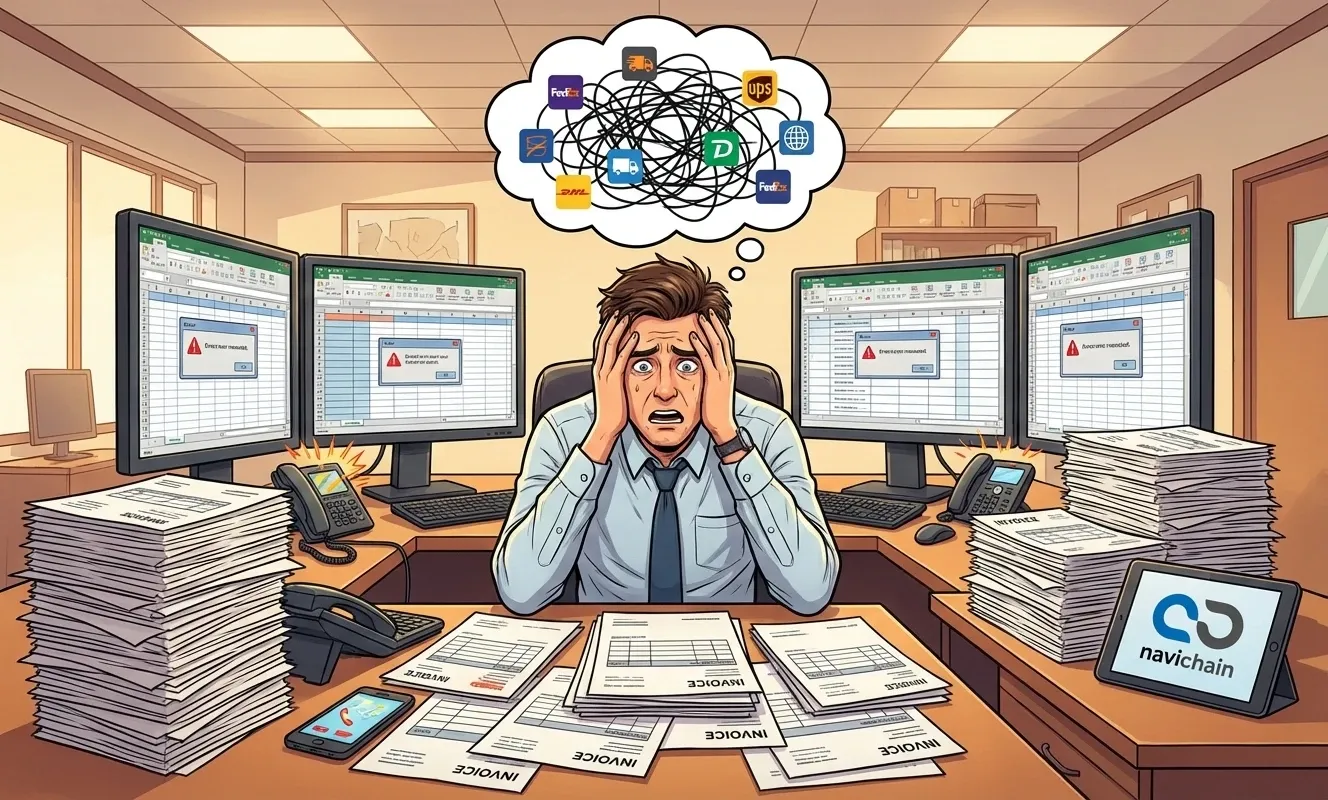
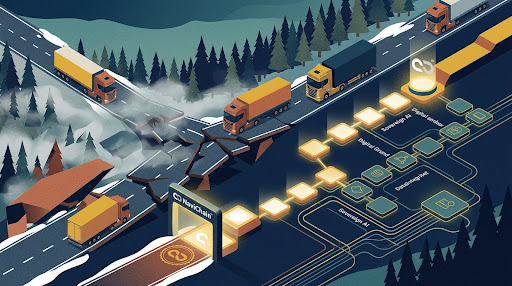
Managing multiple carrier relationships without a unified system can quickly turn into a chaotic and overwhelming task for BCOs.
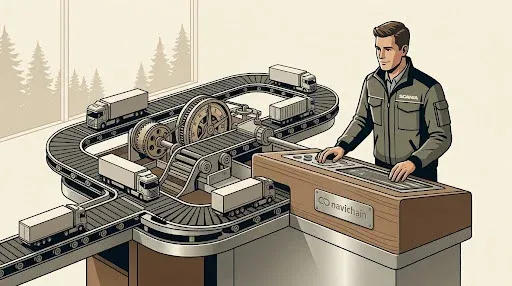
For decades, the value proposition of the global freight forwarder (e.g., DHL, Kuehne+Nagel, DB Schenker) has been simplicity. You pay a premium, and they handle the complexity. It is a 'Black Box' service: you input an order, and the cargo arrives. You don't see the friction, the handovers, or the sub-contractors.
But when a BCO decides to bypass this middleman to act as their own 'Control Tower,' that Black Box is smashed open. Suddenly, the reality of the supply chain is exposed.
The Fragmentation Trap
Instead of one invoice and one phone call to a Key Account Manager, the BCO is now faced with:
- Multi-Party Coordination: You are directly responsible for the handover between the container terminal and the last-mile haulier. If the vessel is delayed, you must call the trucking company to reschedule.
- Data Silos: Information is scattered across emails, spreadsheets, and disparate carrier portals.
- Resource Drain: Without the right tools, the 'savings' on freight rates are immediately spent on hiring new transport planners just to man the phones and manage the chaos.
The challenge is not finding the trucks; it is orchestrating the flow of information between them without drowning in administration.
Section 2: The Context – Why Insourcing is Accelerating
Despite the administrative risks, the trend toward insourcing logistics (or 'Self-Orchestration') is accelerating across Europe. Why? primarily due to Margin Erosion and the need for Agility.
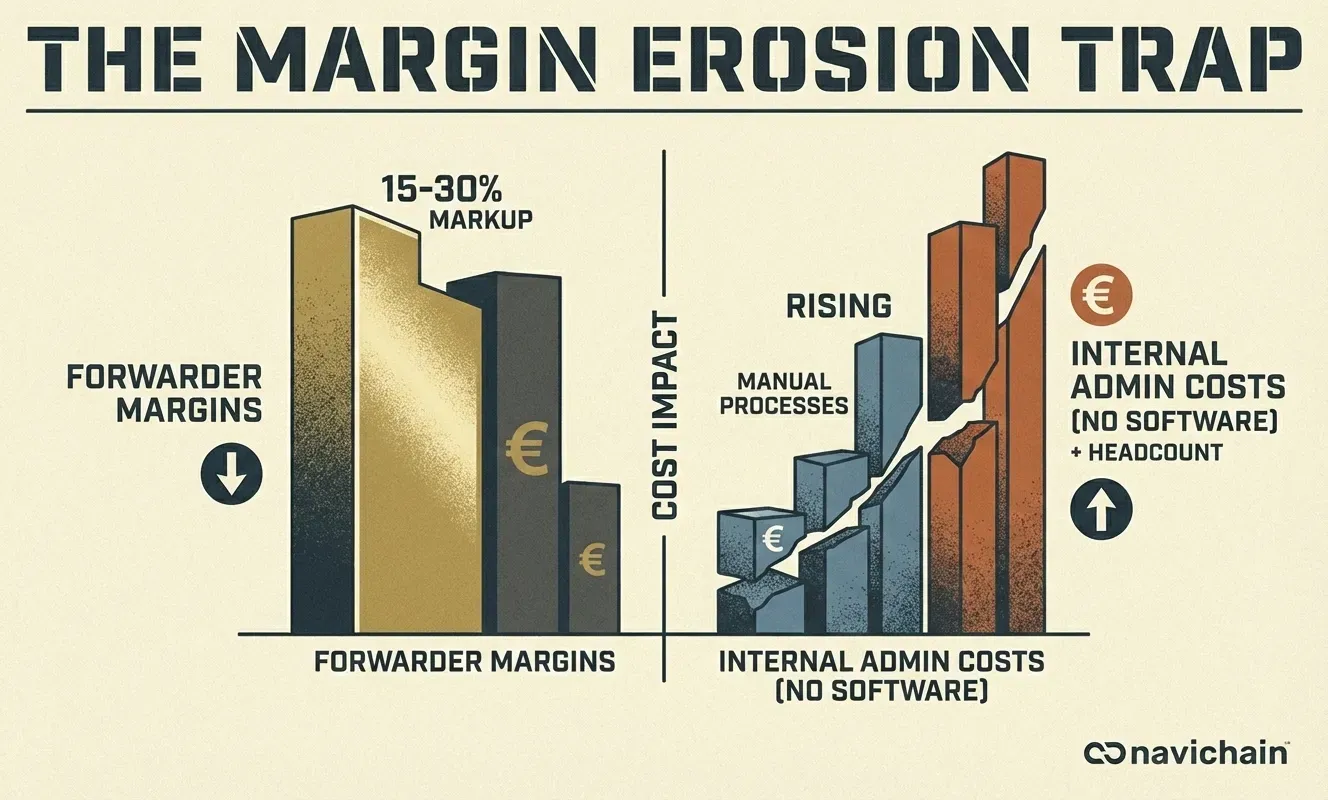
In the current economic climate, the markup charged by traditional forwarders (often 15-30% on top of pure freight costs) is a target for cost-cutting. Furthermore, BCOs demand real-time data that legacy forwarders often struggle to provide transparently.
The Sovereign Data Imperative
There is also a growing concern regarding data ownership. When you outsource to a global giant, your supply chain data resides in their cloud, often subject to foreign jurisdictions (such as the US CLOUD Act). For European entities, maintaining sovereignty over supply chain intelligence—your volumes, your suppliers, your customer networks—is becoming a matter of corporate strategy.
However, the data clearly shows that while BCOs want to insource, many fail because they attempt to run a complex logistics network using Excel and Outlook.
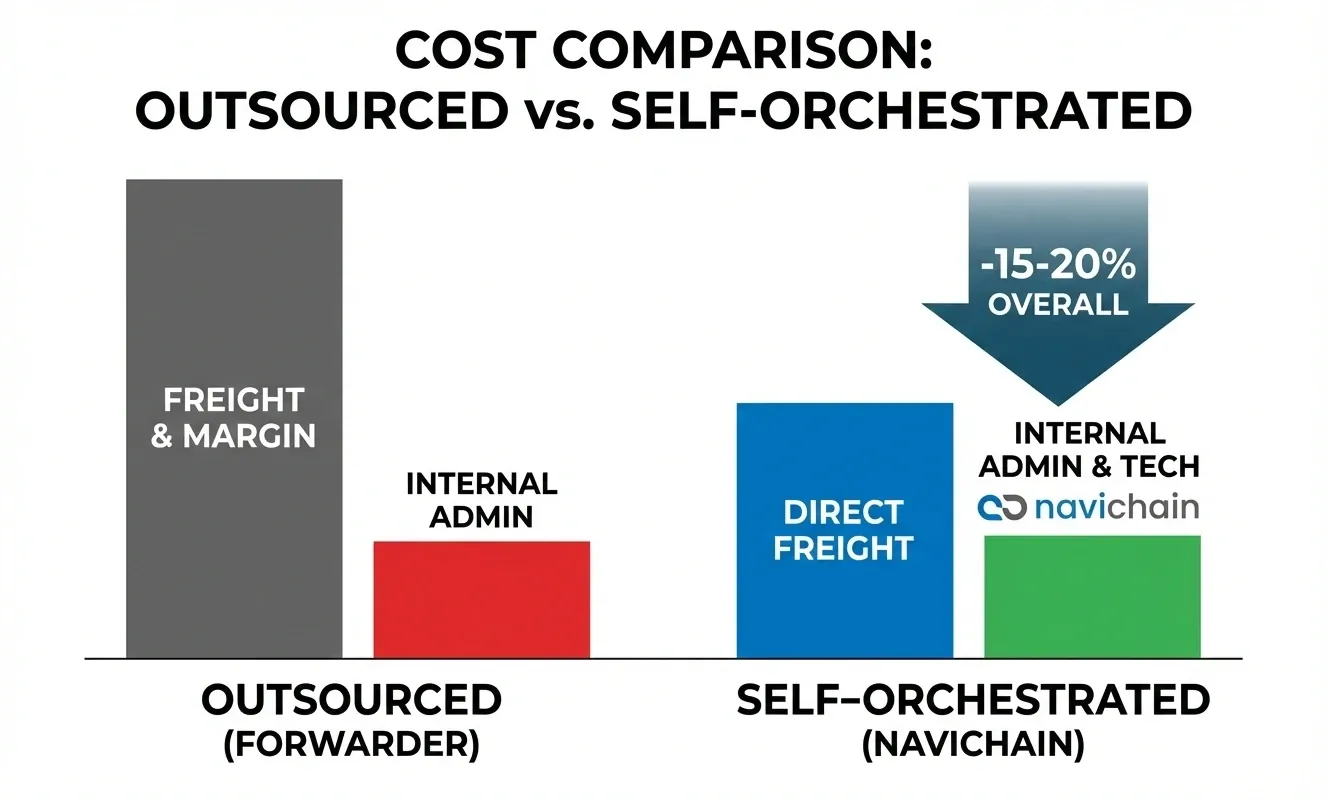
Illustrative chart demonstrating the potential cost savings achievable through insourcing logistics with a digital control tower, by optimizing forwarder margins and internal admin costs.
Section 3: The Strategic Solution – The Digital Control Tower
To successfully transition from "Outsourced" to "Orchestrated," BCOs must adopt a Systems Thinking approach. You cannot replace a forwarder with manpower alone; you must replace them with technology.
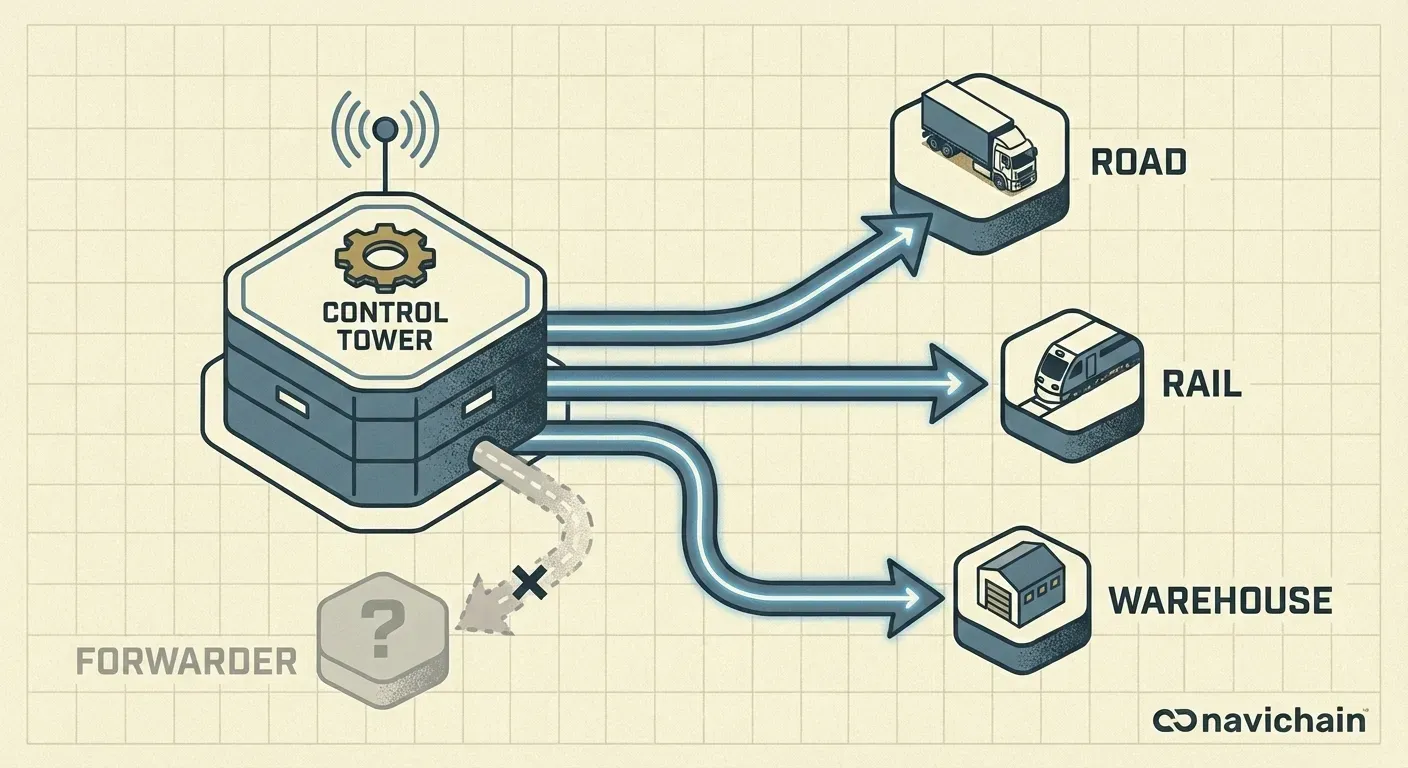
The goal is to create a seamless workflow where the BCO acts as the central hub, connecting diverse assets (haulage, service, rental) into a single view.
The Three Pillars of Self-Orchestration:
- Centralised Dispatch: A single interface to assign tasks to different hauliers, regardless of their IT maturity.
- Automated Handshakes: When a container arrives, the system should trigger the next step (e.g., notifying the driver), rather than a planner making a call.
- Financial Integration: The ability to consolidate invoicing automatically, turning 50 incoming carrier invoices into streamlined cost data.
Section 4: The Navichain Advantage
This is where navichain SaaS bridges the gap. We built navichain specifically for the European market, recognising that the complexity of mixed fleets and sub-contractors requires a robust, unified Operating System.
Unlike generic ERPs or rigid Transport Management Systems (TMS), navichain offers specific features that solve the 'Administrative Puzzle' of self-orchestration.
1. Total Data Sovereignty (No US Cloud Act)
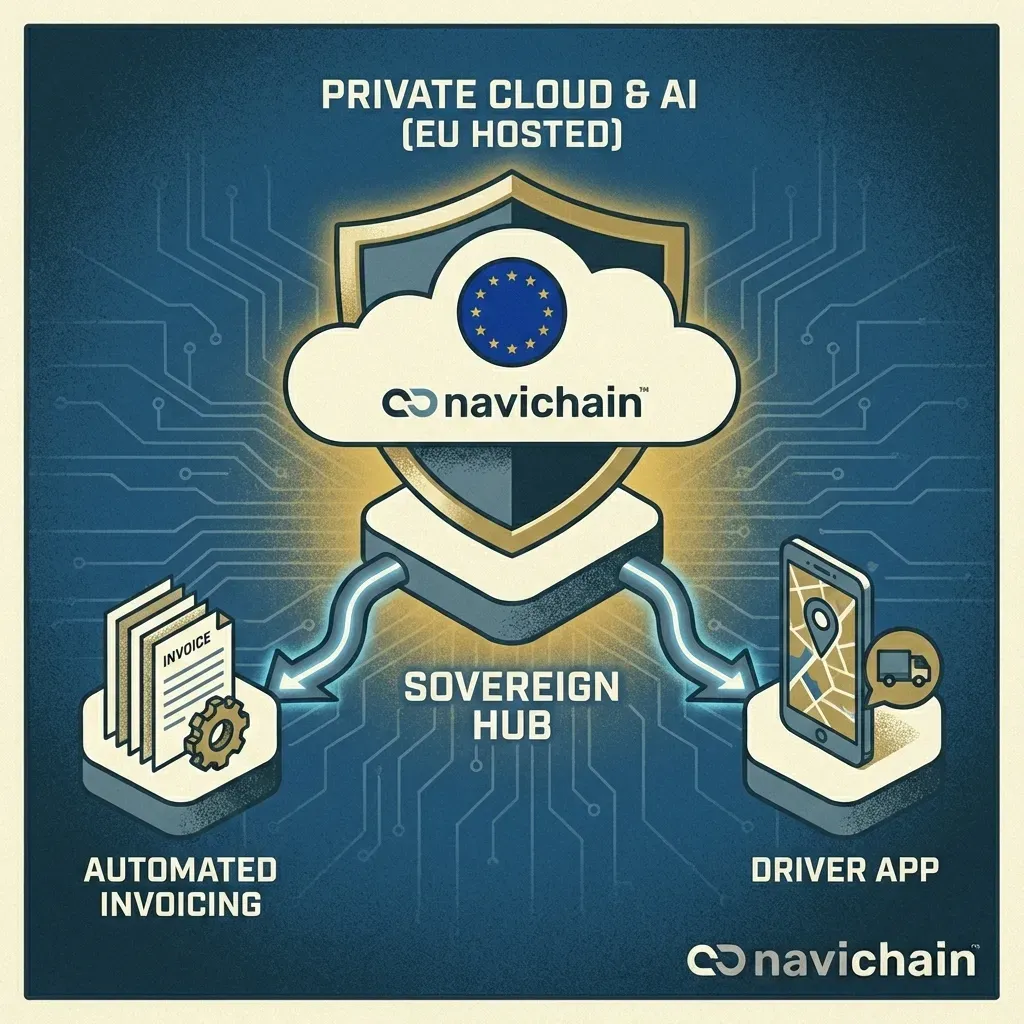
We host our own AI and Data Centers within Europe. When you orchestrate your supply chain on navichain, your proprietary data remains yours. It is not mined for insights by third parties, and it is legally protected from extra-territorial reach. This builds Strategic Trust.
2. Automated Financial Reconciliation
The biggest headache in dropping the forwarder is processing invoices from dozens of small carriers. Navichain automates the financial flow, matching orders to invoices and streamlining the billing process. This drastically reduces the need for extra admin staff.
3. Integrated Logistics Planning & Driver UX
Whether you are using your own trucks or sub-contracting to a partner, navichain provides a simplified Driver Experience. Instructions are pushed directly to mobile devices, and status updates flow back to your dashboard in real-time. You get the 'Control Tower' visibility without the 'Black Box' obscurity.
Section 5: The Business Outcome
When a BCO successfully deploys navichain to manage their direct carrier contracts, the ROI is twofold.
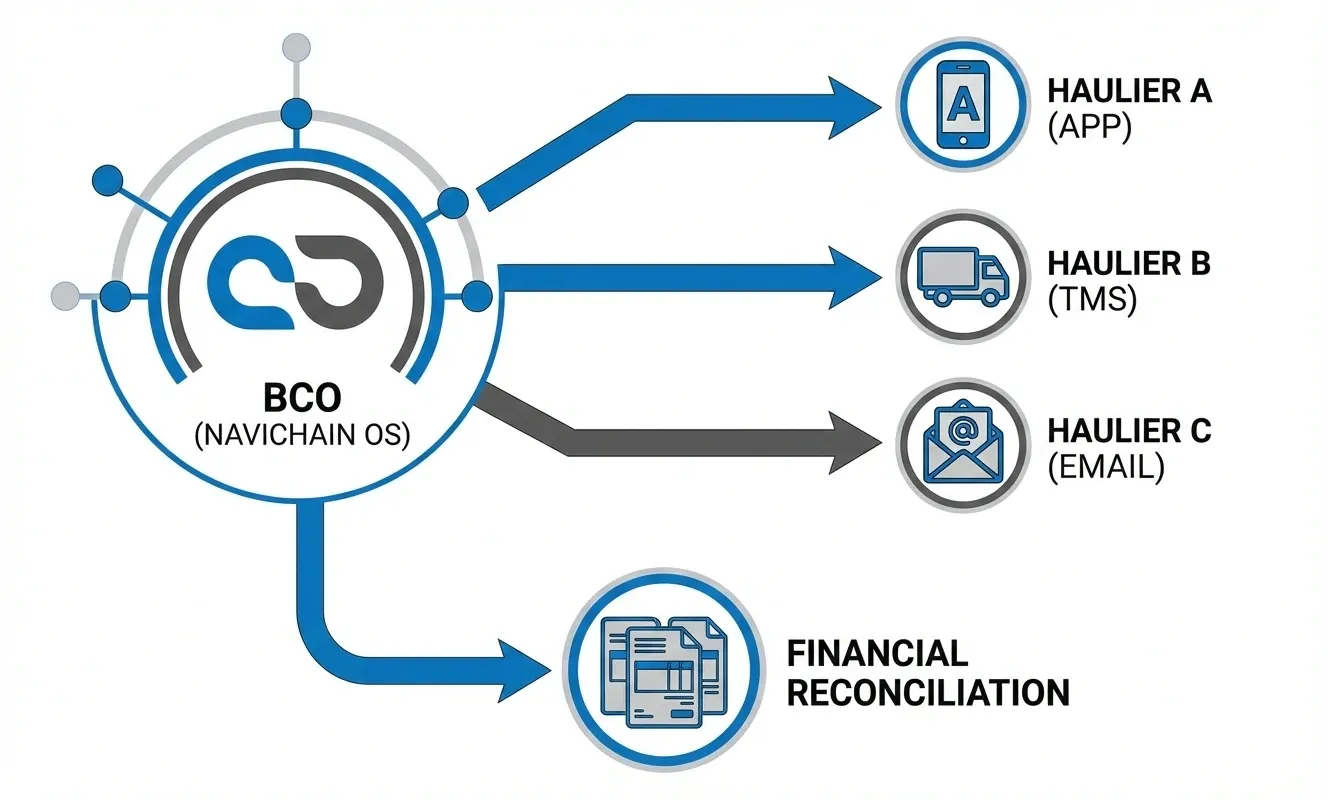
Schematic illustrating the flow of information and control within a navichain-enabled logistics ecosystem, emphasizing direct carrier management.
First: Direct Cost Reduction. By removing the forwarder's margin, freight costs typically drop by 15-20%.
Second: Operational Efficiency. Because navichain handles the orchestration logic (planning, tracking, invoicing), you do not need to hire an army of planners. The 'Administrative Puzzle' is solved by software, not headcount.
The Result: Smart Logistics
The result is a lean, agile supply chain where you own the relationships, you own the data, and you control the costs. This is the definition of modern European Smart Logistics.
Conclusion & CTA
Taking control of your logistics chain is a bold move, but it shouldn't be a chaotic one. Don't let administrative friction eat up your freight savings.
Ready to become your own Control Tower? Start your free trial of navichain today and experience how a Unified Logistics OS can streamline your self-orchestration strategy.
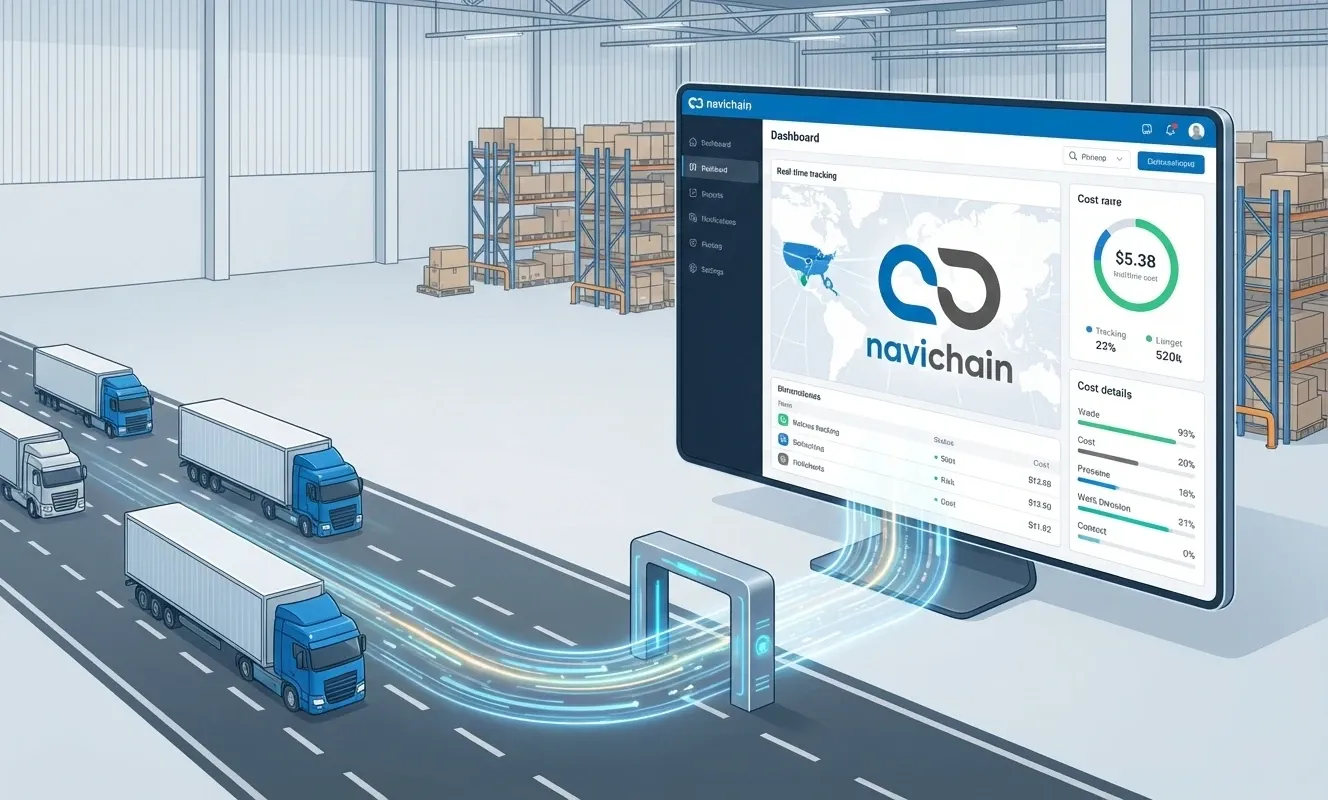
A unified logistics operating system provides a comprehensive view of your supply chain, allowing for proactive management and issue resolution.
References
- European Commission: Mobility Package & Logistics Regulations
- State of the European Supply Chain: In-housing Trends (Placeholder)
- Data Sovereignty in the EU: The Cloud Act Implications
Navichain's platform visualizes the interconnectedness of modern supply chains, enabling enhanced transparency and control. This interconnectedness helps BCOs optimize their logistics operations.
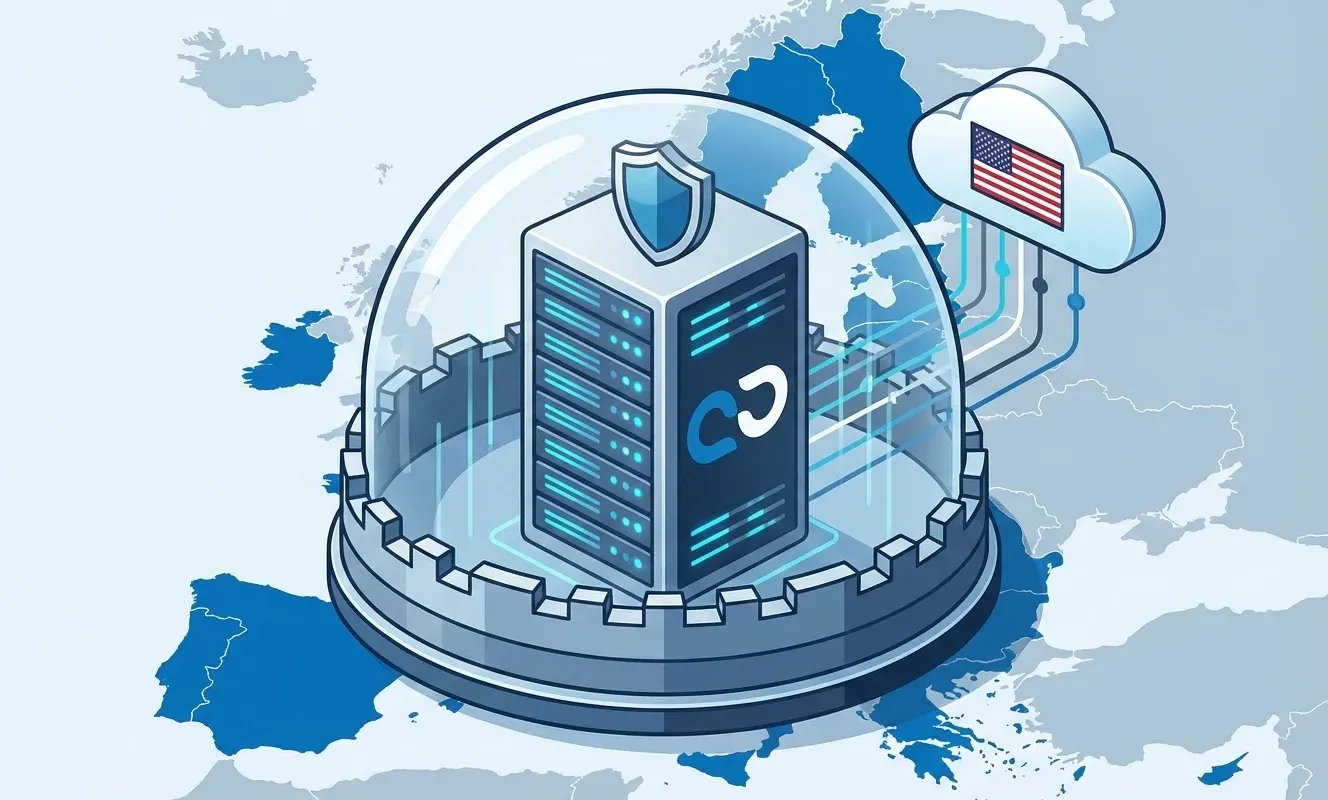
Navichain’s platform provides a visual representation of complex supply chain networks, highlighting opportunities for enhanced transparency and operational optimization for BCOs.
Ready to optimize your supply chain?
navichain Insights Newsletter
Join the newsletter to receive the latest updates in your inbox.