The Silo Squeeze: Closing the Profitability Gap in Supply Chains
Table of Contents
Navigating today's volatile global landscape demands a supply chain that's not just efficient, but resilient. Discover how AI-powered solutions like Navichain SaaS are transforming supply chains, providing the end-to-end visibility and predictive insights needed to thrive amidst disruption and meet ever-evolving customer expectations.
Silo Squeeze Profitability Gap
Executive summary
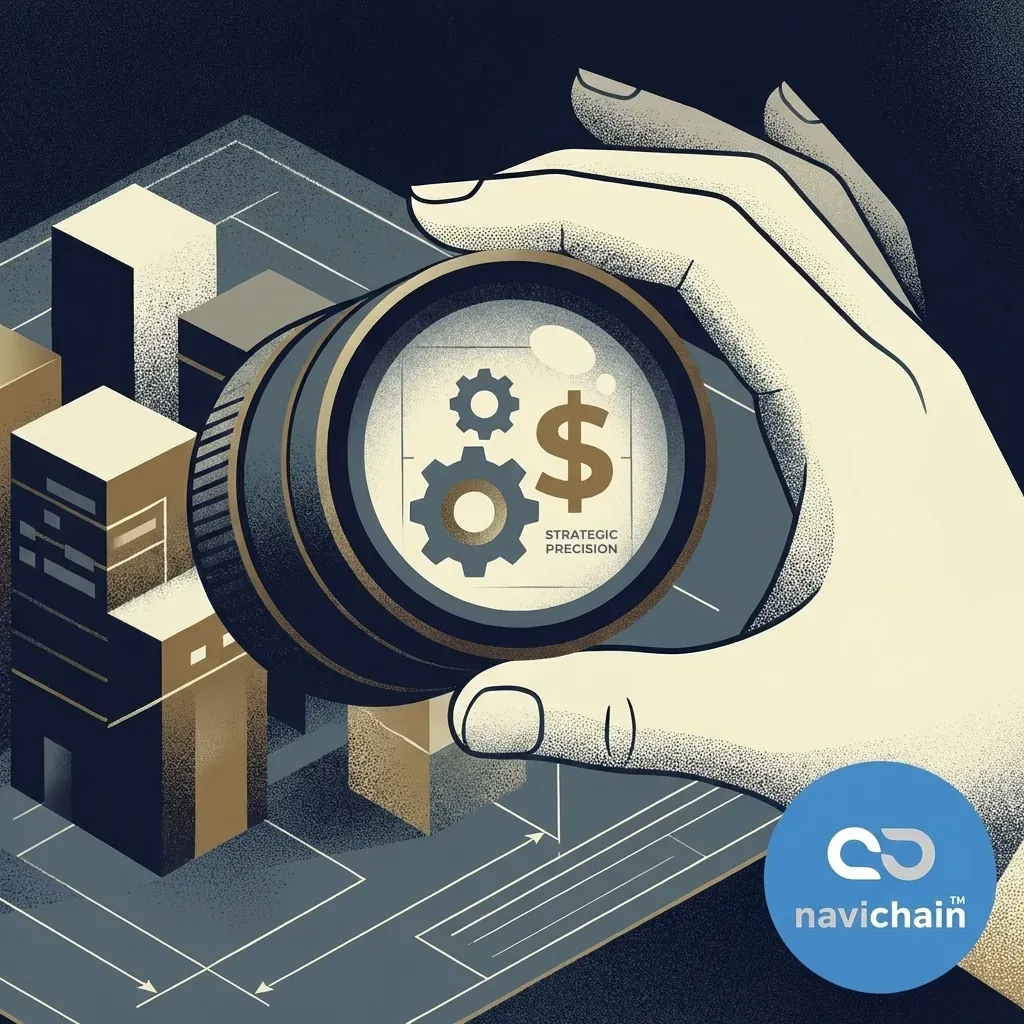
Legacy systems impede the flow of information, leading to inefficiencies and a lack of holistic supply chain management. This data fragmentation results in costly errors and missed opportunities.
Modern supply chains are increasingly complex, global, and vulnerable. Traditional, siloed systems struggle to provide the real-time visibility and agility required to navigate disruptions, optimize efficiency, and meet evolving customer demands. This report delves into the challenges facing today's supply chain professionals, highlighting the critical need for a strategic shift towards unified, AI-powered solutions. We explore how Navichain SaaS, a Unified OS for supply chain management, leverages AI to provide end-to-end visibility, predictive insights, and automated decision-making, ultimately enabling businesses to achieve significant cost savings, improve operational efficiency, and build a more resilient and competitive supply chain.
Introduction
The global supply chain is the lifeblood of modern commerce.
The global supply chain is the lifeblood of modern commerce. It's the intricate network that connects raw materials to finished products, manufacturers to consumers, and businesses to opportunities. However, this complex ecosystem is facing unprecedented challenges. Geopolitical instability, fluctuating demand, rising costs, and increasing customer expectations are all putting immense pressure on supply chain professionals. Traditional approaches, characterized by fragmented systems, manual processes, and a lack of real-time visibility, are no longer sufficient. To thrive in this dynamic environment, businesses need a new paradigm – one that embraces technology, fosters collaboration, and empowers data-driven decision-making. This report provides a deep dive into the challenges, opportunities, and strategic solutions that define the future of supply chain management.
Section 1: The challenge: navigating the labyrinth of modern supply chains
The modern supply chain is far more than just moving goods from point A to point B.
The modern supply chain is far more than just moving goods from point A to point B. It's a complex, interconnected web of suppliers, manufacturers, distributors, retailers, and customers, all operating within a constantly evolving global landscape. This complexity presents a multitude of challenges that can significantly impact a company's bottom line and overall competitiveness.
1.1 the visibility void: A blind spot in the supply chain
One of the most significant challenges is the lack of end-to-end visibility. Many companies struggle to track their goods in real-time, understand the status of their inventory, or anticipate potential disruptions. This "visibility void" leads to: * Increased Inventory Costs: Without accurate demand forecasting and real-time inventory tracking, businesses often overstock to avoid stockouts, resulting in higher storage costs, obsolescence, and wasted capital.
- Delayed Deliveries: Lack of visibility into potential delays or disruptions can lead to missed deadlines, dissatisfied customers, and damaged reputations.
- Inefficient Resource Allocation: Without a clear understanding of where resources are needed most, companies struggle to optimize their operations, leading to wasted time, money, and effort.
- Difficulty in Identifying Bottlenecks: Pinpointing the root cause of delays or inefficiencies becomes a herculean task when data is scattered across multiple systems and departments.
1.2 the silo effect: Fragmented systems and disconnected data
Many organizations rely on a patchwork of disparate systems to manage their supply chain, including Enterprise Resource Planning (ERP) systems, Warehouse Management Systems (WMS), Transportation Management Systems (TMS), and various other point solutions. These systems often operate in silos, making it difficult to share information, collaborate effectively, and gain a holistic view of the entire supply chain. This "silo effect" results in: * Data Inconsistencies: Different systems may use different data formats or definitions, leading to errors and inconsistencies that can undermine decision-making.
- Communication Breakdowns: Lack of seamless communication between departments and stakeholders can lead to misunderstandings, delays, and missed opportunities.
- Duplication of Effort: Employees may spend valuable time manually transferring data between systems or reconciling discrepancies, wasting time and resources.
- Inability to Respond Quickly to Change: When information is fragmented and difficult to access, it becomes challenging to adapt to changing market conditions or unexpected disruptions.
1.3 the cost of inaction: A steep price to pay
The consequences of failing to address these challenges can be significant. Companies that struggle with supply chain visibility and efficiency often face: * Reduced Profit Margins: Increased costs, delayed deliveries, and inefficient operations can erode profit margins and make it difficult to compete effectively.
- Loss of Market Share: Customers are increasingly demanding faster, more reliable service. Companies that fail to meet these expectations risk losing market share to competitors who can.
- Damaged Reputation: Supply chain disruptions can damage a company's reputation and erode customer trust.
- Increased Risk: Lack of visibility and control over the supply chain can increase the risk of fraud, theft, and other security breaches.
- Missed Opportunities: Inability to quickly adapt to changing market conditions can lead to missed opportunities for growth and innovation.
Section 2: The context/data: navigating the shifting sands of the global supply chain
The challenges outlined above are exacerbated by a number of broader trends and paradoxes shaping the global supply chain landscape.
The challenges outlined above are exacerbated by a number of broader trends and paradoxes shaping the global supply chain landscape. Understanding these dynamics is crucial for developing effective strategies and solutions.
2.1 the rise of e-commerce and omnichannel retail
The explosive growth of e-commerce has fundamentally transformed the way consumers shop and interact with brands. This has created new demands on supply chains, including: * Faster Delivery Times: Consumers expect fast, reliable delivery, often within hours or days.
Profitability gap highlighting the squeeze on margins in the current e-commerce and omnichannel retail environment due to increasing costs and customer expectations.
- Increased Order Complexity: E-commerce orders are often smaller and more frequent than traditional retail orders, requiring more efficient picking, packing, and shipping processes.
- Greater Product Variety: E-commerce retailers offer a wider range of products than traditional brick-and-mortar stores, requiring more sophisticated inventory management and logistics capabilities.
- Seamless Omnichannel Experience: Consumers expect a seamless experience across all channels, whether they are shopping online, in-store, or through a mobile app.
2.2 the increasing complexity of global supply networks
Globalization has created increasingly complex and interconnected supply networks, spanning multiple countries, continents, and time zones. This complexity introduces new challenges, including: * Longer Lead Times: Global supply chains often involve longer lead times, making it more difficult to respond quickly to changing demand.
- Increased Transportation Costs: Shipping goods across long distances can be expensive, especially with fluctuating fuel prices and capacity constraints.
- Greater Exposure to Risk: Global supply chains are more vulnerable to disruptions caused by natural disasters, political instability, and other unforeseen events.
- Complex Regulatory Requirements: Navigating the regulatory requirements of different countries can be challenging and time-consuming.
2.3 the talent gap: A shortage of skilled professionals
The supply chain industry is facing a growing shortage of skilled professionals, particularly in areas such as data analytics, technology, and logistics. This talent gap is making it more difficult for companies to: * Implement New Technologies: Implementing and managing complex supply chain technologies requires specialized skills and expertise.

Profitability gaps emerge when companies fail to effectively integrate data analytics and technology to address supply chain challenges.
- Analyze Data and Make Informed Decisions: Data analytics is crucial for optimizing supply chain performance, but many companies lack the talent to effectively analyze and interpret data.
- Manage Complex Global Operations: Managing global supply chains requires a deep understanding of international trade, logistics, and cultural differences.
2.4 the data deluge: Turning information into actionable insights
While companies are generating more data than ever before, many struggle to effectively analyze and utilize this data to improve their supply chain performance. This "data deluge" can be overwhelming, making it difficult to: * Identify Key Trends and Patterns: Sifting through vast amounts of data to identify meaningful trends and patterns can be a daunting task.
- Predict Future Demand: Accurate demand forecasting is essential for optimizing inventory levels and avoiding stockouts, but many companies lack the tools and expertise to effectively predict future demand.
- Make Data-Driven Decisions: Turning data into actionable insights requires sophisticated analytics capabilities and a culture of data-driven decision-making.
2.5 statistics highlighting the need for change
- Cost of Supply Chain Disruptions: Supply chain disruptions cost companies an average of \$184 million per year (Source: Resilinc).
- Inventory Accuracy: Average inventory accuracy is only 63% (Source: Gartner).
- Transportation Costs: Transportation costs account for 60-70% of total logistics costs (Source: Armstrong & Associates).
- E-commerce Growth: Global e-commerce sales are projected to reach \$7.4 trillion by 2025 (Source: Statista).
Section 3: The strategic solution: embracing a unified, ai-driven approach
To overcome the challenges and capitalize on the opportunities presented by the evolving supply chain landscape, businesses need to adopt a strategic solution that embraces a unified, AI-driven app...
To overcome the challenges and capitalize on the opportunities presented by the evolving supply chain landscape, businesses need to adopt a strategic solution that embraces a unified, AI-driven approach. This involves:
3.1 breaking down silos: Creating a unified view of the supply chain
The first step is to break down the silos that exist between different systems and departments. This requires integrating disparate systems and creating a single, unified view of the entire supply chain. This can be achieved through: * Data Integration: Connecting different systems and databases to create a centralized repository of supply chain data.
- Process Standardization: Standardizing processes across different departments and locations to ensure consistency and efficiency.
- Collaboration Platforms: Implementing collaboration platforms that enable seamless communication and information sharing between stakeholders.
3.2 leveraging AI and machine learning: Automating decision-making and improving accuracy
AI and machine learning can play a crucial role in optimizing supply chain performance by automating decision-making, improving accuracy, and providing predictive insights. This includes: * Demand Forecasting: Using machine learning algorithms to predict future demand based on historical data, market trends, and other factors.
- Inventory Optimization: Optimizing inventory levels to minimize costs and avoid stockouts.
A simplified schematic illustrating the integration of AI and Machine Learning within the supply chain to automate decision-making processes.
- Route Optimization: Optimizing transportation routes to reduce costs and improve delivery times.
- Predictive Maintenance: Predicting equipment failures and scheduling maintenance proactively to minimize downtime.
- Risk Management: Identifying and mitigating potential supply chain risks.
3.3 embracing real-time visibility: Tracking goods and monitoring performance
Real-time visibility is essential for managing a complex supply chain effectively. This requires implementing technologies that enable businesses to track their goods in real-time, monitor performance, and identify potential disruptions. This includes: * IoT Sensors: Using IoT sensors to track the location, temperature, and other conditions of goods in transit.
- GPS Tracking: Using GPS tracking to monitor the location of vehicles and shipments.
- Blockchain Technology: Using blockchain technology to create a secure and transparent record of all supply chain transactions.
3.4 fostering collaboration: Building stronger relationships with suppliers and customers
Collaboration is essential for building a resilient and efficient supply chain. This requires fostering strong relationships with suppliers and customers, sharing information, and working together to solve problems. This includes: * Supplier Portals: Implementing supplier portals that enable suppliers to access real-time information about demand, inventory levels, and other key metrics.
- Customer Relationship Management (CRM) Systems: Using CRM systems to track customer interactions and gather feedback.
- Joint Planning and Forecasting: Working with suppliers and customers to develop joint plans and forecasts.
Section 4: The tech enabler (Navichain): a unified OS for supply chain excellence
Navichain SaaS is a Unified OS designed to address the challenges outlined above and empower businesses to achieve supply chain excellence. By providing a comprehensive suite of AI-driven tools and capabilities, Navichain enables organizations to gain end-to-end visibility, optimize their operations, and build a more resilient and competitive supply chain.
4.1 Navichain SaaS: A comprehensive solution
Navichain SaaS is a cloud-based platform that integrates all aspects of supply chain management, from planning and sourcing to manufacturing and distribution. It provides a single, unified view of the entire supply chain, enabling businesses to: * Gain End-to-End Visibility: Track goods in real-time, monitor performance, and identify potential disruptions.
- Optimize Inventory Levels: Reduce inventory costs and avoid stockouts.
- Improve Transportation Efficiency: Optimize transportation routes and reduce costs.
- Automate Decision-Making: Automate routine tasks and make data-driven decisions.
- Collaborate Effectively: Foster collaboration between suppliers, customers, and internal stakeholders.
4.2 the power of a unified OS
Unlike traditional point solutions that operate in silos, Navichain SaaS provides a unified OS that integrates all aspects of supply chain management. This eliminates data silos, improves communication, and enables businesses to gain a holistic view of their operations. The benefits of a Unified OS include: * Improved Data Accuracy: Eliminating data silos reduces the risk of errors and inconsistencies.
- Enhanced Collaboration: Seamless communication and information sharing between stakeholders.
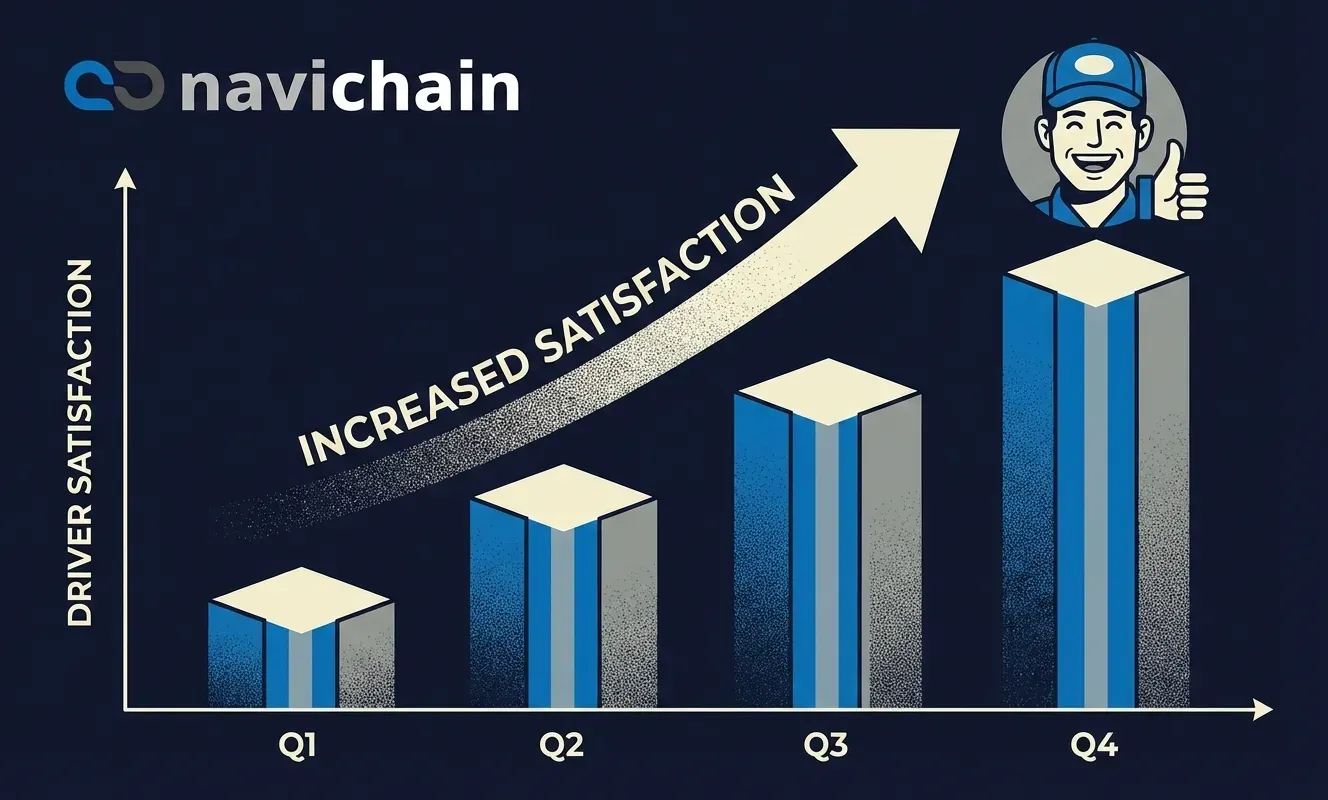
Schematic illustrating how a unified operating system breaks down data silos and facilitates a holistic view of supply chain operations.
- Faster Decision-Making: Real-time visibility and data-driven insights enable faster, more informed decisions.
- Increased Efficiency: Automating routine tasks and streamlining processes improves efficiency.
4.3 ai-driven intelligence: Transforming data into actionable insights
Navichain leverages AI and machine learning to transform data into actionable insights. Its AI-driven capabilities include: * Predictive Analytics: Predict future demand, identify potential disruptions, and optimize inventory levels.
- Automated Decision-Making: Automate routine tasks and make data-driven decisions.
- Personalized Recommendations: Provide personalized recommendations to users based on their roles and responsibilities.
- Anomaly Detection: Identify anomalies and potential problems in real-time.
4.4 key features of Navichain SaaS
- Demand Forecasting: AI-powered demand forecasting that accurately predicts future demand.
- Inventory Optimization: Optimizes inventory levels to minimize costs and avoid stockouts.
Navichain SaaS unifies data silos, providing a holistic view that bridges the profitability gap between cost and revenue centers.
- Transportation Management: Optimizes transportation routes and reduces costs.
- Warehouse Management: Streamlines warehouse operations and improves efficiency.
- Supplier Collaboration: Enables seamless collaboration with suppliers.
- Real-Time Visibility: Provides real-time visibility into the entire supply chain.
- Reporting and Analytics: Provides comprehensive reporting and analytics capabilities.
Section 5: Business outcomes: realizing the ROI of a unified, ai-driven supply chain
Implementing Navichain SaaS can deliver significant business outcomes, including:
5.1 reduced costs
- Inventory Reduction: Optimizing inventory levels can reduce inventory costs by 10-30%.
- Transportation Cost Savings: Optimizing transportation routes can reduce transportation costs by 5-15%.
- Warehouse Efficiency Gains: Streamlining warehouse operations can improve efficiency by 10-20%.
- Reduced Waste: Minimizing waste and spoilage can reduce costs by 5-10%.
5.2 improved efficiency
- Faster Order Fulfillment: Automating order fulfillment processes can reduce order fulfillment times by 20-30%.
- Increased Throughput: Streamlining operations can increase throughput by 10-20%.
- Reduced Downtime: Predictive maintenance can reduce equipment downtime by 5-10%.
- Improved Productivity: Automating routine tasks can improve employee productivity by 10-15%.
5.3 enhanced resilience
- Improved Risk Management: Identifying and mitigating potential supply chain risks can reduce the impact of disruptions.
- Faster Response Times: Real-time visibility and data-driven insights enable faster response times to unexpected events.
A resilient supply chain minimizes disruptions and ensures smooth operations, contributing to overall business stability and growth.
- Increased Agility: A unified, AI-driven supply chain is more agile and adaptable to changing market conditions.
5.4 strategic resilience
- Competitive Advantage: A more efficient and resilient supply chain can provide a significant competitive advantage.
- Improved Customer Satisfaction: Faster delivery times and more reliable service can improve customer satisfaction.
- Increased Market Share: A more competitive supply chain can help businesses gain market share.
- Sustainable Growth: A more efficient and resilient supply chain can support sustainable growth.
Conclusion
The modern supply chain is facing unprecedented challenges, but also presents significant opportunities for businesses that are willing to embrace change. By adopting a unified, AI-driven approach, companies can overcome the limitations of traditional systems, gain end-to-end visibility, optimize their operations, and build a more resilient and competitive supply chain. Navichain SaaS provides the tools and capabilities needed to achieve these goals, empowering businesses to transform their supply chains from a costly liability into a strategic asset. The future of supply chain management is here, and it's powered by AI and unified by a single, intelligent operating system. Are you ready to lead the way?
References
- European Union. (2020). Regulation (EU) 2020/1056 establishing electronic freight transport information. (eFTI Regulation) https://eur-lex.europa.eu/legal-content/EN/TXT/?uri=CELEX%3A32020R1056
- International Road Transport Union (IRU). (2023). The Future of Road Transport. https://www.iru.org/future-road-transport
- McKinsey & Company. (2022). The next frontier in logistics: How to prepare for disruption. https://www.mckinsey.com/industries/travel-logistics-and-infrastructure/our-insights/the-next-frontier-in-logistics-how-to-prepare-for-disruption
- Gartner. (2023). Top Supply Chain Technology Trends. https://www.gartner.com/en/supply-chain/trends/supply-chain-technology
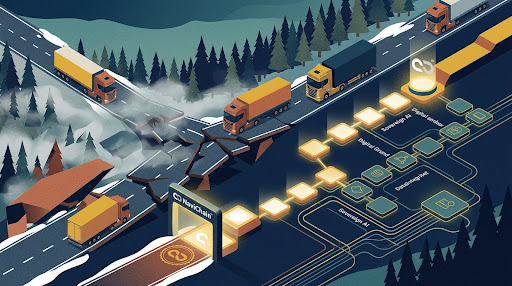
Navichain: Illustrating a digitally connected and transparent supply chain, facilitating real-time data sharing and enhanced collaboration.
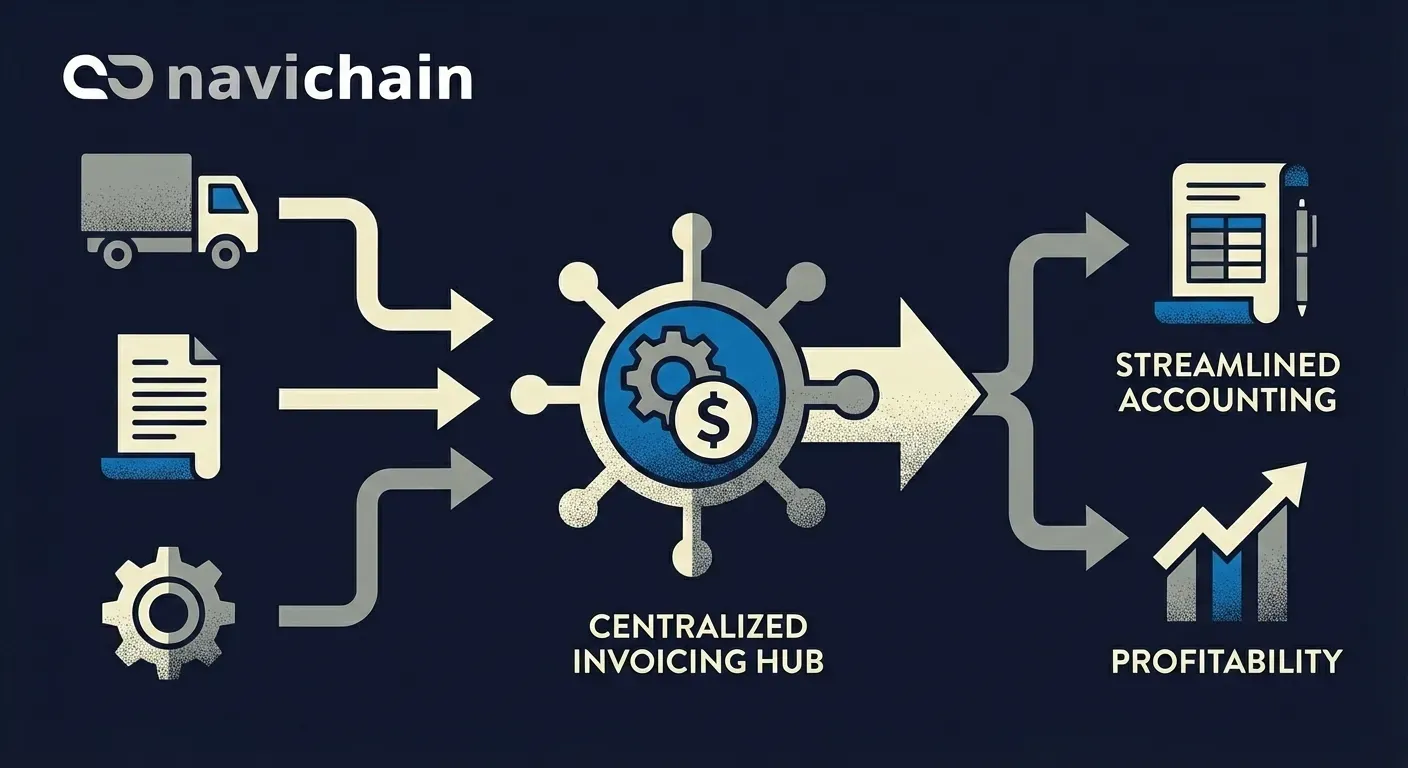
Navichain's platform enables a transparent and connected supply chain, fostering real-time data exchange and improved collaboration among stakeholders.
Ready to optimise your supply chain?
navichain Insights Newsletter
Join the newsletter to receive the latest updates in your inbox.