The Integration Paradox: Is Your Digital Strategy Building Walls Instead of Bridges?
Table of Contents
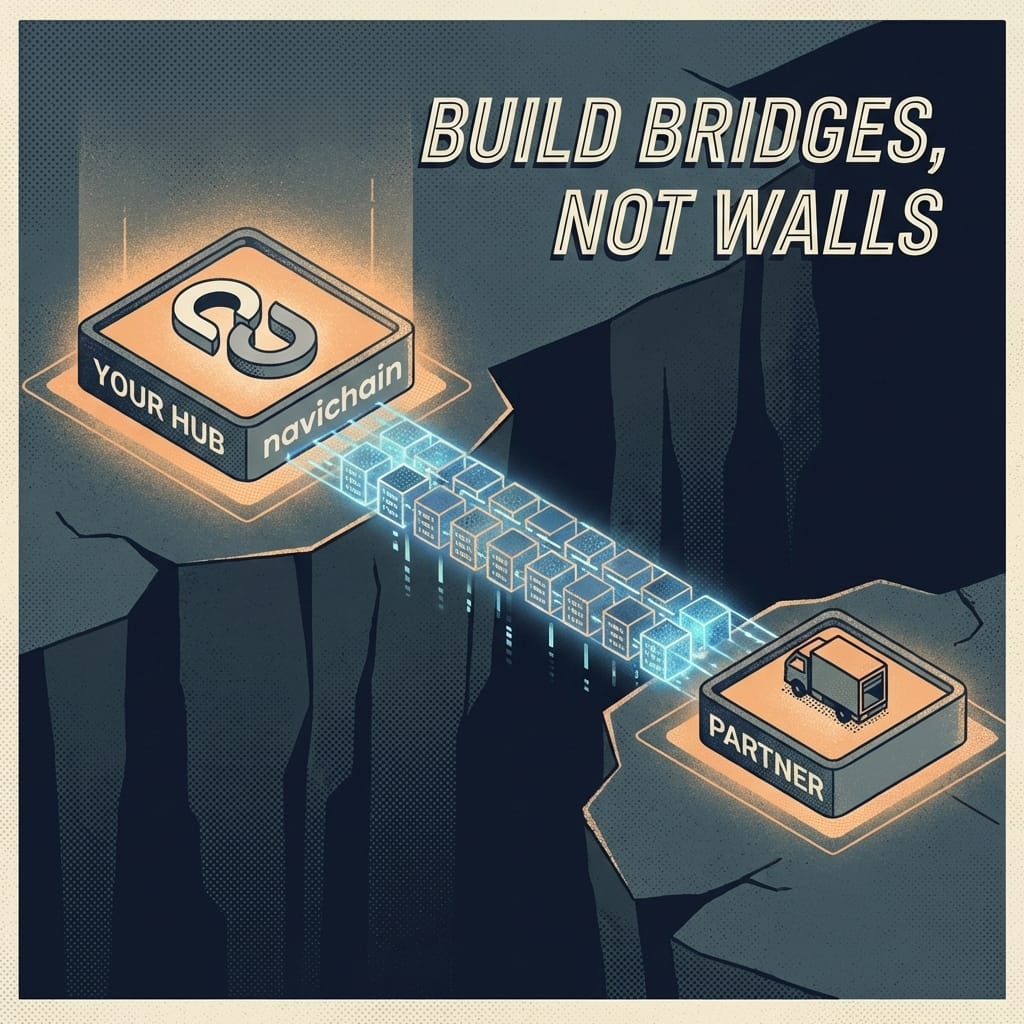
European hauliers are losing significant revenue due to fragmented data across their networks, particularly when working with subcontractors. This white paper challenges the traditional approach of forcing TMS adoption, offering a strategic 'Digital Gateway' model to build a unified, secure platform. Discover how to transform fragmented data into a competitive advantage, regardless of your partners' technical capabilities.
The Integration Paradox: Is Your Digital Strategy Building Walls Instead of
Here are a few teaser options, playing with different angles: European hauliers lose up to 8% of revenue due to data silos, with subcontractor integration being a critical weak link. Many believe the solution is forcing partners to adopt expensive or complex TMS systems. But this strategy often creates more friction, higher costs, and new data security risks. This white paper challenges that conventional view and presents a strategic framework—the 'Digital Gateway' model. Discover how to build a centralized, secure, and unified platform that connects all your partners, regardless of their technical maturity, and transforms fragmented data into your primary competitive advantage.
Introduction: The 'black hole' in your supply chain
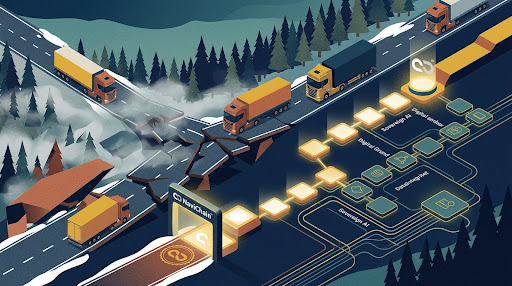
Fig 1: For a logistics manager at a medium-sized European haulier, every day is a battle against margins. For a logistics manager at a medium-sized European haulier, every day is a battle against margins. Fuel prices fluctuate, competition is fierce, and customer demands for transparency are increasing exponentially. But perhaps the most frustrating problem is the 'black hole' that appears the moment a job is handed over to a subcontractor. You've invested in a TMS for your own fleet. You have full traceability, efficient route planning, and automated billing. But when volumes peak and you have to rely on your network of smaller, independent carriers—many of whom run on pen and paper or simple spreadsheets—all data visibility vanishes. Status updates become manual phone calls. Proofs of Delivery (PODs) arrive via blurry photos weeks later. Invoicing data must be keyed in by hand, leading to errors and delayed payments. This isn't just an annoyance. It's a strategic vulnerability. The lack of integration with subcontractors creates operational bottlenecks, hidden costs, and a severe lack of business insight. The core question echoing in management teams is the one you've asked yourself: How can we tie our subcontractors closer operationally when they lack TMS systems? The answer, as this white paper will argue, is not to force technology upon them that they neither need nor can afford. The answer is to redefine what 'integration' means.
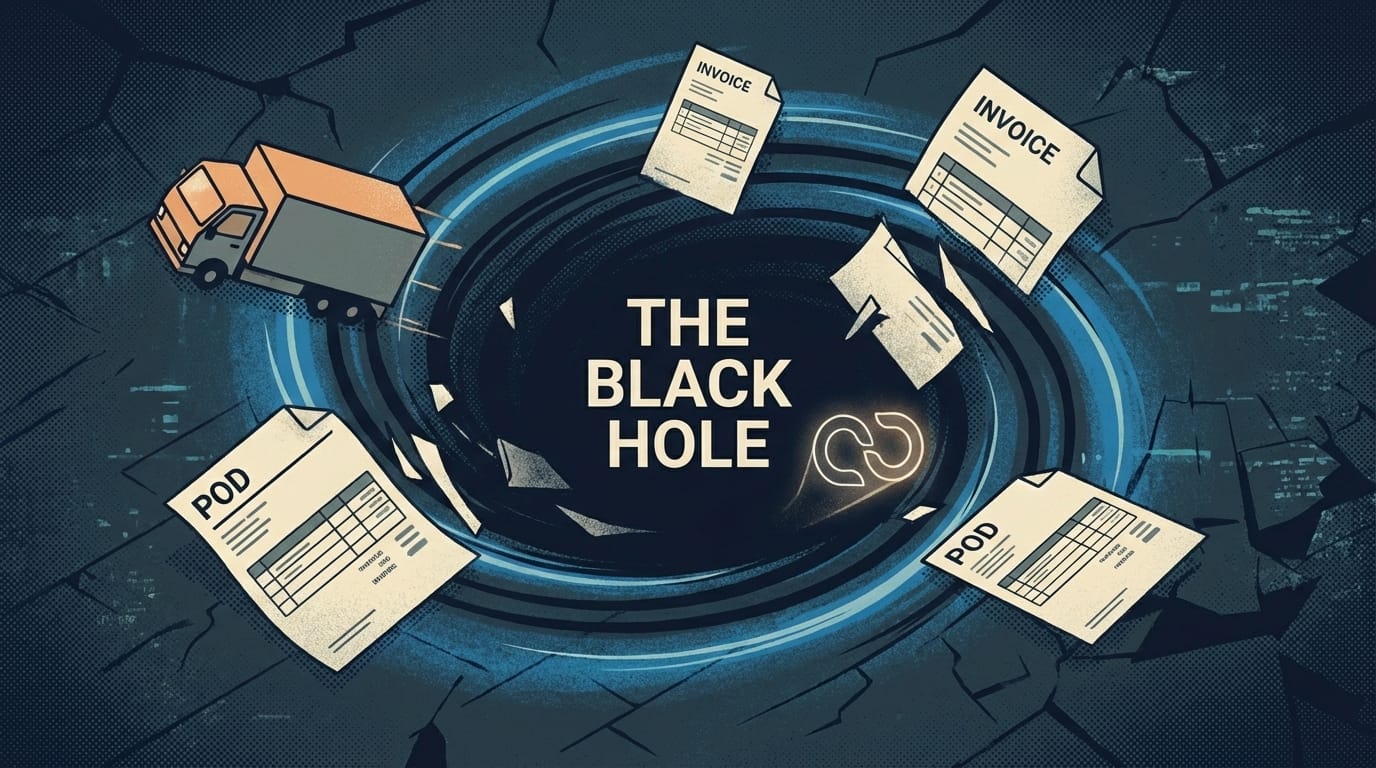
Margin pressures and the constant struggle for efficiency are daily realities for logistics managers, especially when relying on less technologically advanced subcontractors.
The core of the problem: Why traditional integration fails
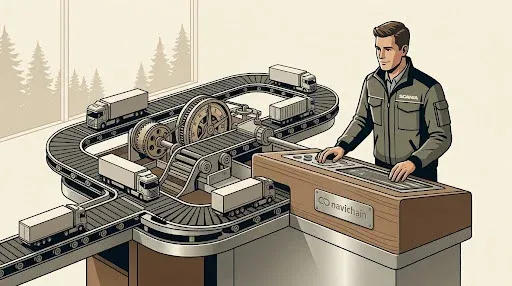
Fig 1: The pursuit of a seamless supply chain has led many companies down two traditional, yet fundamentally flawed, paths for integrating partners.
The pursuit of a seamless supply chain has led many companies down two traditional, yet fundamentally flawed, paths for integrating partners.
Pitfall 1: The tyranny of 'forced adoption'
The first instinct is to demand that all subcontractors use the same TMS as you. In theory, it sounds perfect: unified data, same processes. In practice, it's a disaster.
- Economic Burden: Your subcontractors are often small business owners operating on minimal margins. Forcing a license fee on them for a system they will only use for a fraction of their jobs (yours) is unreasonable and damages the relationship.
- Operational Friction: They already have their own (albeit analog) systems that work for their entire business. Learning and managing multiple different TMS systems—one for each major client—is administratively unsustainable.
- Locked Loyalty: This strategy builds walls. It makes it harder for you to quickly onboard new partners and locks existing ones into a system they resent, reducing the flexibility of your supply chain.
Pitfall 2: The 'api-spaghetti' trap
The second path is the technically complex one: building custom API (Application Programming Interface) integrations. If a subcontractor has some system, maybe you can build a bridge. But this is also a trap for SMEs.
- Astronomical Costs: Custom API development is expensive. Every new partner with a unique system requires a new, bespoke project.
- Extreme Fragility: These integrations are notoriously brittle. When your subcontractor updates their system (or when you update yours), the integration breaks. Maintenance becomes a perpetual and costly headache.
- The Problem Remains: This strategy solves nothing for the partners who have no system at all. You are back to square one, but poorer.
The hidden risk: Gdpr and the 'data blind spot'
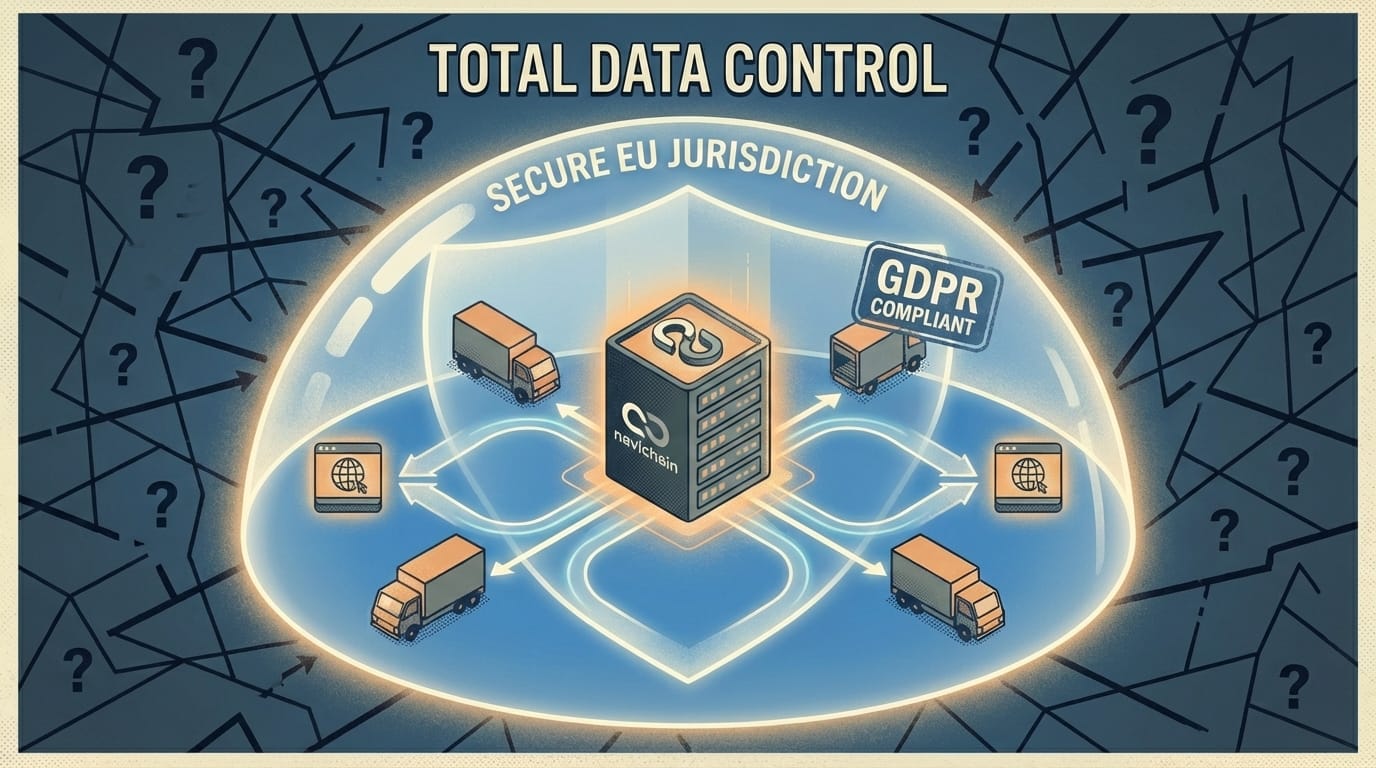
Fig 2: Building individual integrations can create a complex web, introducing security and data governance challenges.
Both of these strategies ignore a critical risk: data jurisdiction and security. When you share customer data (delivery addresses, contact info, contents) with a subcontractor, who is responsible for that data? Where is it stored? If your subcontractor uses a free-to-use, US-based service to manage their routes, you may have just created a potential GDPR violation. You have lost control of your customers' data. The quest for operational integration has led to a serious legal and security vulnerability.
The path forward: The 'digital gateway' model
Fig 3: The integration paradox is that the harder you try to force uniformity, the more fragmentation you create. The integration paradox is that the harder you try to force uniformity, the more fragmentation you create. The true solution is to flip the perspective. Stop focusing on their lack of a system and start focusing on your ability to act as a central hub. The 'Digital Gateway' model is built on a simple principle: Centralize your own operation first, and then provide simple, free, and secure access points for your partners. This model consists of two core components:
1. the unified operational hub (your system)
Before you can integrate others, you cannot be fragmented yourself. You must first have a single, unified platform where your own TMS, WMS, billing, and order management work as one. This becomes your 'single source of truth.' All jobs, whether performed by your own fleet or a partner, must exist in this central system. This is the foundation.
2. the digital gateways (their access)
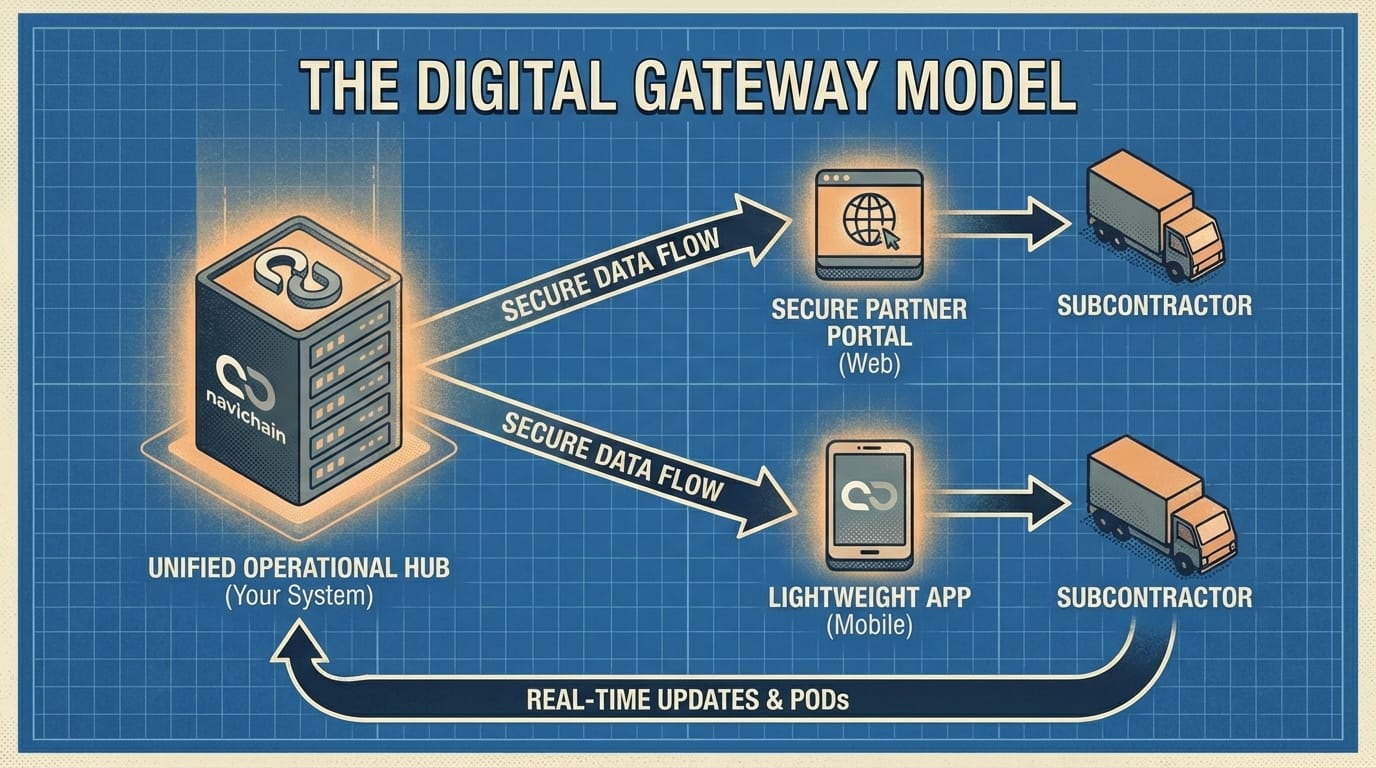
Once you have your central hub, the next step is to stop trying to connect to their systems. Instead, create a simple, secure, and free 'gateway' into yours. This typically takes two forms: * A Secure Partner Portal (Web): A simple webpage where your subcontractor can log in. There, they see a list of the jobs you've assigned them. They don't need a TMS. They just need a web browser. In the portal, they can: * Accept or reject jobs.
- Set statuses (e.g., 'In Progress,' 'Loaded,' 'Delivered').
- Upload PODs directly from their phone's camera.
- See their payment statements.
- A Lightweight App (Mobile): For more frequent partners, an extremely simple mobile app can be even smoother, offering the same functionality as the portal, perhaps with the addition of basic GPS tracking (only during the job) to give you real-time status.
The benefits of the 'digital gateway' model
This strategy solves all the problems that traditional integration creates: 1. Zero Friction for Partners: Your subcontractor doesn't need to buy, install, or learn a complex system. They just need an internet connection. This makes you an attractive partner to work with. 2. Immediate Data Capture: The instant your partner clicks 'Delivered' in the portal, the status is updated in your TMS. The POD is instantly available to your customer and your billing department. The 'black hole' is gone. 3. Total Data Control & GDPR Compliance: The data never leaves your system. The subcontractor is 'borrowing' a view into your secure environment to update information. All customer data, all job data, stays under your control, on your servers, under your jurisdiction (e.g., in Sweden/EU). You have plugged the GDPR leak. 4. Scalability and Flexibility: Onboarding a new subcontractor doesn't take months of API development. It takes five minutes to create a new user account for the portal. You can scale your partner capacity up and down instantly.
From diagnosis to design: The blueprint for a resilient logistics operating system
Fig 3: The 'Digital Gateway' model is a strategy.
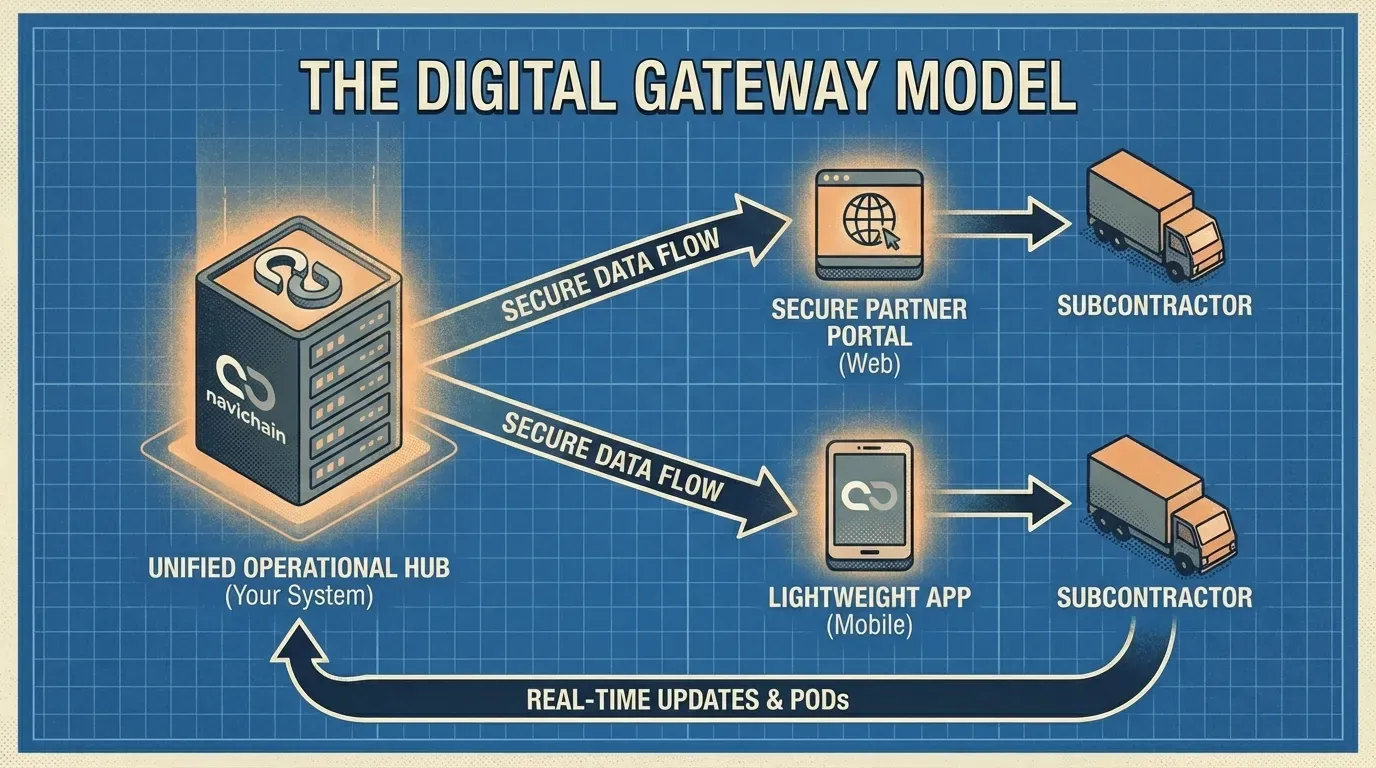
Schematic illustrating the 'Digital Gateway' model, emphasizing the controlled data flow and partner access within a secure and unified logistics ecosystem.
The 'Digital Gateway' model is a strategy. To execute it, you need a specific kind of technology foundation. Regardless of the vendor you choose, any modern, future-proof logistics platform for an SME haulier MUST be built on three core principles.
Principle 1: Unified operational fabric
Stop buying point solutions. Having a TMS from one vendor, a WMS from another, and a billing system from a third is to institutionalize data silos. You need a single, cohesive platform where data flows seamlessly between modules. You cannot be an effective 'hub' for your partners if your own house is not in order. This unified platform acts as your central nervous system, creating the single source of truth that the 'Digital Gateway' model requires.
Principle 2: Secure data architecture and control
This is non-negotiable for European businesses. True operational resilience and compliance require complete control over your data environment. Relying on hyperscale cloud platforms based outside the EU introduces constant legal uncertainty and exposure (e.g., via the CLOUD Act). A modern platform for European SMEs should be built on secure infrastructure, ideally self-hosted or hosted within your region's legal jurisdiction (e.g., within Sweden/EU). This ensures your data—and your customers' data—is governed by local law, making GDPR compliance straightforward and minimizing exposure. This is the foundation of trust for offering 'gateways' to your partners.
Principle 3: Embedded analytic intelligence
Once you achieve Principle 1 (all data in one system) and Principle 2 (in a secure environment), a new, powerful opportunity emerges. You now have a complete, unified dataset that includes not just your own operations but also performance data from your subcontractors. The next logical step is to have an embedded, integrated AI layer that can analyze this data inside the secure environment. This AI can identify inefficiencies, optimize routing across your entire combined fleet (owned and partnered), predict maintenance, and find hidden profitability patterns impossible to see when data is fragmented.
Fig 4: This AI can identify inefficiencies, optimize routing across your entire combined fleet (owned and partnered), predict maintenance, and find hidden profitability patterns impossible to see when dat...
References/sources
- Ti Insight (2025). European Road Freight Market Analysis 2025. https://www.ti-insight.com/report/european-road-freight-market-2025
- Swedish Transport & Logistics (2024). The Digitalization Barometer for Swedish Hauliers. https://www.transportforetagen.se/publikationer/digitalisering-2024
- IRU (2025). Addressing Operational Costs and Integration in European Haulage. https://www.iru.org/resources/reports/europe-operational-costs-2025
- Gartner (2024). The Hidden Cost of Data Silos in SME Supply Chain Management. https://www.gartner.com/en/supply-chain/trends/data-silos-cost-sme
- European Commission (2025). Digital Transport and Logistics Forum (DTLF) Report on Data Sharing. https://ec.europa.eu/transport/themes/digital/dtlf_en
Fig 4: The 'Digital Gateway' model is a strategy.
Enabling the blueprint: The navichain SaaS unified logistics platform
navichain SaaS unifies previously siloed logistics functions onto a single platform, facilitating seamless data flow and improved operational visibility.
The three principles described above—a Unified Fabric, Secure Data Control, and Embedded Intelligence—form the theoretical blueprint for a modern logistics SME. navichain SaaS is the platform built to make that blueprint a reality. We designed navichain SaaS specifically to solve the 'integration paradox' for medium-sized hauliers. Our system isn't just part of the solution; it is the unified operating system. 1. Principle 1 Embodied: A Unified Operational Fabric navichain SaaS is not a patchwork of acquired systems. It is a single, powerful platform where Transportation Management (TMS), Warehouse Management (WMS), Asset Management, Billing Management, and Order Management are built from the ground up to work as one. This immediately creates the 'single source of truth' required to become a central hub for your partners. 2. Principle 2 Embodied: Secure Data Architecture and Control This is our key differentiator. The entire navichain SaaS platform is hosted on our own secure infrastructure (Self-Hosted) in Sweden. This is not a shared cloud environment governed by foreign laws. By keeping your operational data strictly within Swedish/EU jurisdiction, you maintain complete control. This makes GDPR compliance straightforward and eliminates the risks of international data transfers. It is this secure fortress that allows you to confidently open 'digital gateways' for your subcontractors, knowing your data never leaves your sphere of control. 3. Principle 3 Embodied: Embedded Analytic Intelligence Because all your data (including partner data from the portals) lives in this single, secure environment, our integrated AI can get to work. This AI also runs on our secure Swedish infrastructure. It analyzes your unified operational data to unlock unique efficiencies, optimize routes, and give you the strategic insights your competitors, still stuck in data silos, will never see. navichain SaaS's mission is to democratize logistics technology for SMEs. We provide the powerful, integrated, and secure platform you need to stop building walls and start building the digital bridges required to win in the future of logistics.
Navichain's unified platform integrates TMS, WMS, asset management, billing, and order management, creating a single, secure source of truth for logistics operations.
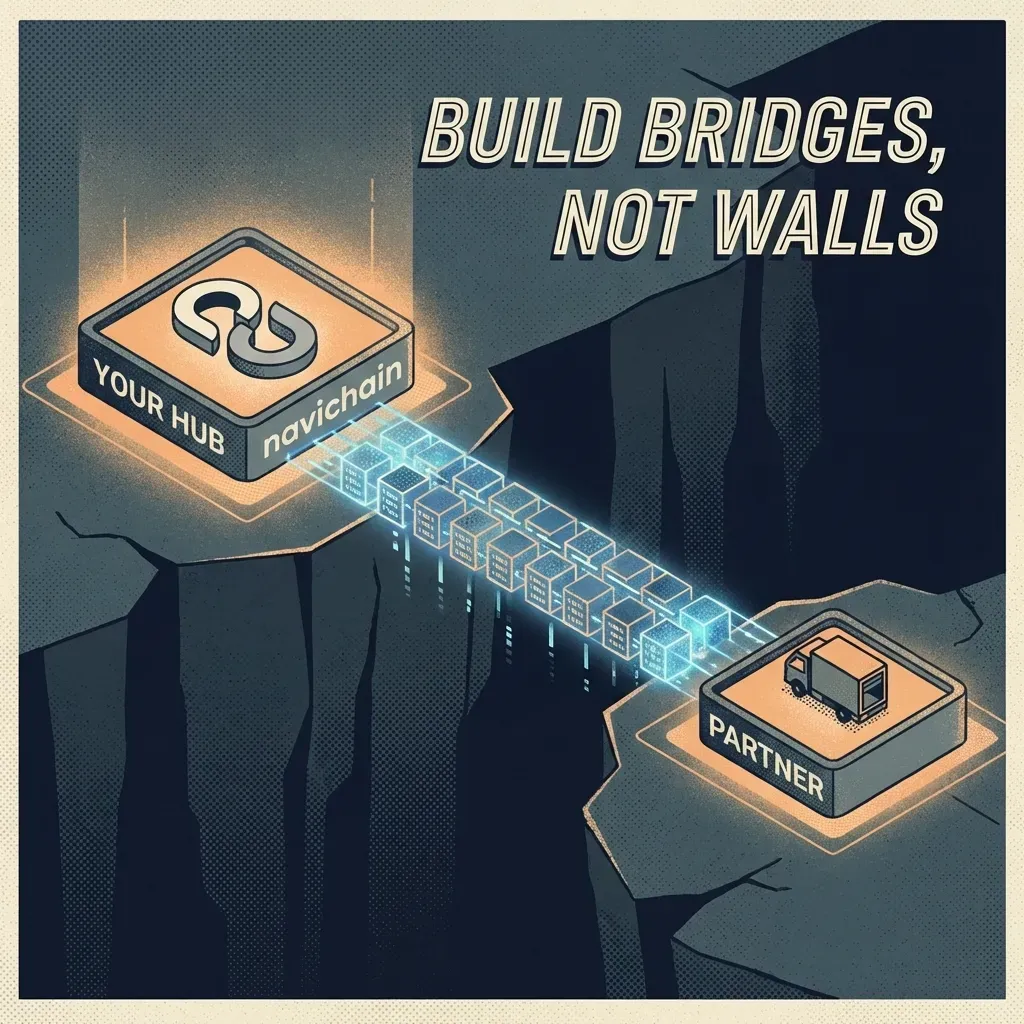
Navichain’s secure, self-hosted Swedish infrastructure provides a unified platform for TMS, WMS, asset management, billing, and order management, offering a single source of truth.
Ready to optimise your supply chain?
navichain Insights Newsletter
Join the newsletter to receive the latest updates in your inbox.