The Agile Supply Chain How Sme Shippers Can Achieve Enterprise Grade Control Without The Enterprise Grade Cost
Table of Contents
Is your supply chain a competitive advantage or a costly liability? Discover how a unified Logistics OS empowers small and mid-sized shippers to achieve enterprise-grade control without the enterprise-grade price tag, transforming chaos into clarity and boosting your bottom line.
The Agile Supply Chain How Sme Shippers Can Achieve Enterprise Grade Control Without The Enterprise Grade Cost

Executive summary

Fragmented systems and manual processes often create bottlenecks and visibility gaps, hindering efficient supply chain management for SMEs.
Small and mid-sized enterprises (SMEs) in the shipping industry face a critical dilemma: managing increasingly complex supply chains with inadequate tools. The traditional options – relying on error-prone spreadsheets or investing in prohibitively expensive and complex Enterprise Resource Planning (ERP) systems – are failing to deliver the agility, visibility, and control needed to thrive in today's dynamic market. This report introduces a third, more effective path: a unified Logistics Operating System (OS). This innovative approach connects inbound transport, warehousing, and final delivery within a single, integrated platform, providing SMEs with end-to-end operational control, enhanced efficiency, and strategic resilience at a fraction of the cost of traditional ERP solutions. By leveraging the power of a Logistics OS, SMEs can unlock significant cost savings, improve customer satisfaction, and gain a competitive edge in an increasingly demanding global marketplace. This report will delve into the challenges, explore the context, outline the strategic solution, highlight the role of technology enablers like Navichain, and detail the tangible business outcomes achievable through this transformative approach.
Introduction
The global supply chain has become the backbone of modern commerce, a complex and interconnected network that spans continents and industries.
The global supply chain has become the backbone of modern commerce, a complex and interconnected network that spans continents and industries. For large enterprises, sophisticated ERP systems and dedicated logistics teams are the norm. However, small and mid-sized shippers often find themselves at a distinct disadvantage. They lack the resources to invest in these expensive and complex solutions, forcing them to rely on outdated methods like spreadsheets and manual processes. This reliance creates a significant operational bottleneck, hindering their ability to compete effectively in a market that demands speed, agility, and transparency. This report addresses the critical need for a more accessible and effective solution for SMEs in the shipping industry. We will explore the limitations of traditional approaches, examine the current industry landscape, and introduce a unified Logistics OS as a viable and cost-effective alternative. Furthermore, we will demonstrate how this innovative approach empowers SMEs to achieve enterprise-grade control over their supply chains, driving efficiency, reducing costs, and fostering sustainable growth.
Section 1: The challenge: the SME shipping dilemma
The challenges faced by small and mid-sized shippers are multifaceted and deeply rooted in the limitations of their current operational infrastructure.
The challenges faced by small and mid-sized shippers are multifaceted and deeply rooted in the limitations of their current operational infrastructure. These challenges can be broadly categorized into the following key areas: * Lack of Visibility: Without a centralized system, tracking shipments across different carriers, warehouses, and delivery points becomes a nightmare. This lack of real-time visibility leads to delays, lost shipments, and frustrated customers. SMEs often struggle to answer basic questions like "Where is my shipment?" or "When will it arrive?" leading to reactive problem-solving rather than proactive management.
- Inefficient Processes: Manual data entry, fragmented communication channels, and reliance on spreadsheets create a breeding ground for errors and inefficiencies. Order fulfillment times are longer, inventory management is inaccurate, and operational costs spiral out of control. These inefficiencies not only impact profitability but also limit the ability to scale and grow the business.
- Limited Collaboration: Coordinating with multiple carriers, suppliers, and customers requires seamless communication and collaboration. However, SMEs often lack the tools to facilitate this collaboration effectively. Information silos prevent different stakeholders from accessing the same data, leading to misunderstandings, delays, and increased costs.
- Inability to Adapt to Change: The global supply chain is constantly evolving, with new regulations, market trends, and customer demands emerging regularly. SMEs relying on outdated systems struggle to adapt to these changes quickly and effectively. This lack of agility puts them at a significant disadvantage compared to larger enterprises with more sophisticated infrastructure.
- High Cost of Inaction: The cost of inaction is substantial. Inefficiencies translate directly into higher operational expenses, including increased transportation costs, warehousing fees, and labor costs. Poor visibility leads to lost sales, damaged reputation, and dissatisfied customers. Ultimately, the inability to effectively manage their supply chains can hinder growth and even threaten the survival of SMEs in the shipping industry. The reliance on spreadsheets, in particular, presents a significant risk. Spreadsheets are prone to errors, difficult to update in real-time, and lack the security features necessary to protect sensitive data. While they may seem like a cost-effective solution in the short term, the long-term costs associated with errors, inefficiencies, and security breaches can be devastating.
Section 2: The context/data: navigating the shifting sands of logistics
The shipping industry is undergoing a period of unprecedented transformation, driven by factors such as globalization, e-commerce growth, and increasing customer expectations.
Key trends impacting the shipping industry, highlighting the need for agility and adaptability among SMEs.
The shipping industry is undergoing a period of unprecedented transformation, driven by factors such as globalization, e-commerce growth, and increasing customer expectations. Understanding these trends and paradoxes is crucial for SMEs seeking to thrive in this dynamic environment.
- The E-commerce Boom: The explosive growth of e-commerce has placed immense pressure on supply chains to deliver goods faster, cheaper, and more reliably. Consumers expect seamless online shopping experiences, with real-time tracking, flexible delivery options, and hassle-free returns. SMEs must adapt to these demands or risk losing customers to larger competitors.
- The Globalization Paradox: While globalization has opened up new markets and opportunities, it has also created more complex and fragmented supply chains. Managing international shipments, navigating customs regulations, and coordinating with multiple suppliers across different time zones requires sophisticated logistics capabilities.
- The Rise of Omnichannel Retail: Consumers now expect to be able to purchase goods through multiple channels, including online stores, brick-and-mortar shops, and mobile apps. This omnichannel approach requires seamless integration between different sales channels and fulfillment centers, creating additional complexity for SMEs.
Visual representation of key trends and their impact on supply chain agility for SMEs.
- The Increasing Importance of Sustainability: Environmental concerns are driving a growing demand for sustainable shipping practices. Consumers are increasingly willing to pay a premium for eco-friendly delivery options, and regulations are becoming stricter regarding emissions and waste. SMEs must embrace sustainable practices to remain competitive and meet the expectations of environmentally conscious customers. Key Statistics:
- According to a recent study by McKinsey, supply chain disruptions can cost companies up to 45% of their annual profits.
- A report by Statista projects that the global e-commerce market will reach \$6.3 trillion in 2024.
- Research from the World Economic Forum indicates that adopting sustainable supply chain practices can reduce carbon emissions by up to 20%.
- A survey by PWC found that 71% of consumers are willing to pay more for faster and more reliable delivery. These statistics highlight the critical importance of effective supply chain management for SMEs in the shipping industry. The ability to adapt to changing market conditions, embrace new technologies, and meet evolving customer expectations will be crucial for survival and success in the years to come.
Section 3: The strategic solution: a unified logistics operating system (OS)
The strategic solution to the challenges faced by SMEs lies in adopting a unified Logistics Operating System (OS).
The strategic solution to the challenges faced by SMEs lies in adopting a unified Logistics Operating System (OS). This approach represents a paradigm shift from fragmented, siloed systems to a centralized, integrated platform that connects all aspects of the supply chain. A Logistics OS provides a single source of truth for all logistics data, enabling real-time visibility, improved collaboration, and enhanced decision-making. It integrates various functionalities, including: * Inbound Transport Management: Streamlining the process of receiving goods from suppliers, including booking shipments, tracking deliveries, and managing customs clearance.
- Warehouse Management: Optimizing warehouse operations, including inventory management, order fulfillment, and shipping logistics.
- Final Delivery Management: Coordinating last-mile delivery, including route optimization, delivery tracking, and customer communication. The theoretical approach behind a Logistics OS is based on the principles of:
- System Thinking: Viewing the supply chain as a complex system with interconnected components, rather than a collection of isolated processes.
- Data-Driven Decision Making: Leveraging real-time data and analytics to make informed decisions about inventory management, transportation planning, and resource allocation.
A schematic representation of a Logistics OS, illustrating the interconnectedness of inbound transport, warehouse management, and final delivery.
- Process Automation: Automating repetitive tasks and workflows to reduce errors, improve efficiency, and free up resources for more strategic activities.
- Collaboration and Communication: Facilitating seamless communication and collaboration between all stakeholders in the supply chain, including suppliers, carriers, customers, and internal teams. By adopting a Logistics OS, SMEs can overcome the limitations of traditional approaches and gain a competitive edge in the market. This approach enables them to:
- Improve Visibility: Gain real-time visibility into all aspects of their supply chain, from inbound transport to final delivery.
- Enhance Efficiency: Streamline processes, automate tasks, and reduce errors, leading to significant cost savings.
- Foster Collaboration: Improve communication and collaboration between all stakeholders, leading to better coordination and faster response times.
- Increase Agility: Adapt quickly to changing market conditions and customer demands.
- Improve Customer Satisfaction: Provide customers with real-time tracking, flexible delivery options, and proactive communication.
Section 4: The tech enabler: Navichain – your unified logistics OS
Navichain offers a powerful and accessible Logistics OS specifically designed to address the needs of small and mid-sized shippers. Unlike complex and expensive ERP systems, Navichain provides a user-friendly, cloud-based platform that can be quickly implemented and easily integrated with existing systems. Navichain SaaS: Navichain is delivered as a Software-as-a-Service (SaaS) solution, eliminating the need for costly hardware, software licenses, and IT infrastructure. This allows SMEs to focus on their core business operations, rather than managing complex technology. The SaaS model also ensures that users always have access to the latest features and updates, without the need for manual upgrades. Unified OS: Navichain's Unified OS connects all aspects of the supply chain, from inbound transport to warehousing and final delivery, within a single, integrated platform. This provides SMEs with a single source of truth for all logistics data, enabling real-time visibility, improved collaboration, and enhanced decision-making. AI-Driven Optimization: Navichain leverages the power of Artificial Intelligence (AI) to optimize various aspects of the supply chain, including: * Route Optimization: AI algorithms analyze traffic patterns, weather conditions, and delivery schedules to optimize delivery routes, reducing transportation costs and improving delivery times.
- Inventory Management: AI-powered forecasting tools predict demand and optimize inventory levels, reducing stockouts and minimizing holding costs.
- Predictive Maintenance: AI algorithms analyze sensor data from vehicles and equipment to predict potential maintenance issues, preventing breakdowns and minimizing downtime.
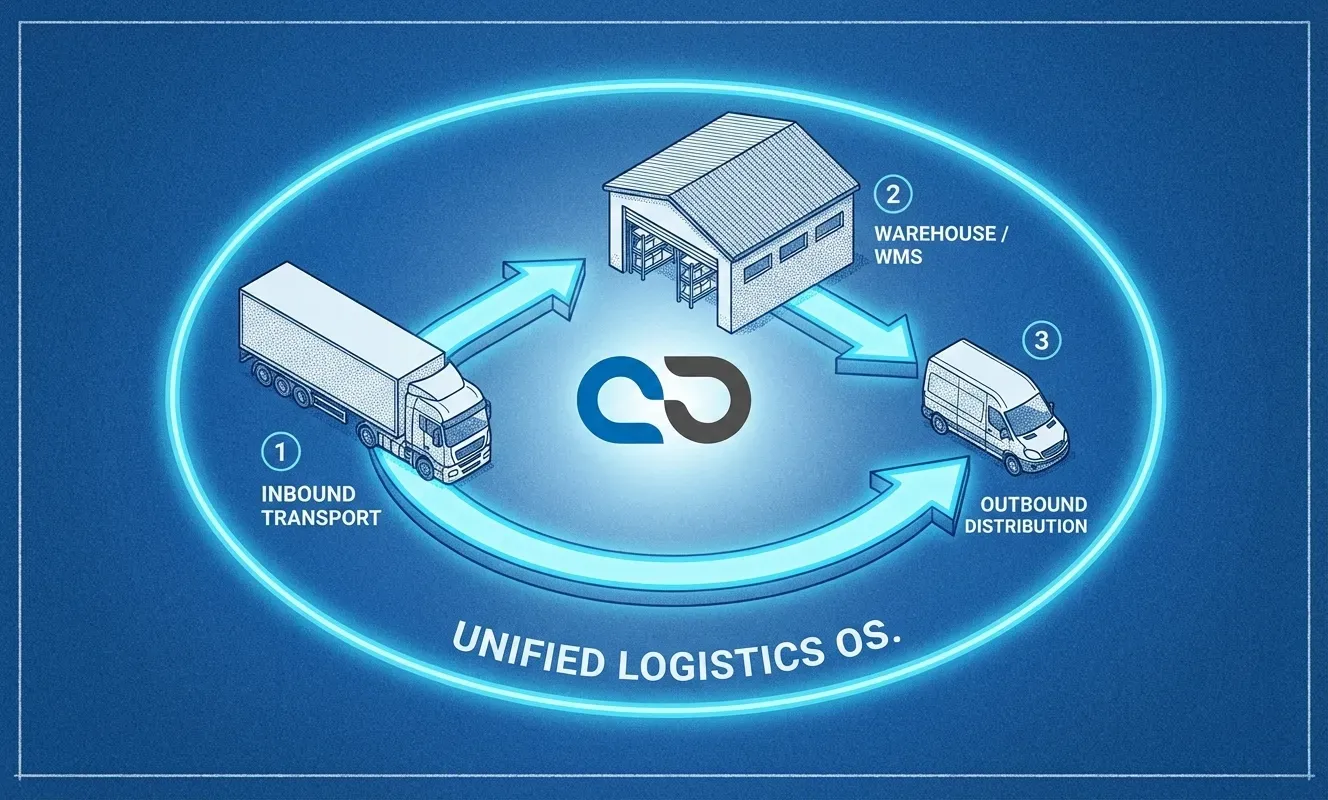
Schematic illustrating Navichain's Unified OS connecting inbound transport, warehousing, and final delivery within a single, integrated platform, providing SMEs with end-to-end supply chain visibility.
- Anomaly Detection: AI algorithms identify unusual patterns and anomalies in the supply chain, alerting users to potential problems before they escalate. By leveraging Navichain's AI-driven capabilities, SMEs can automate tasks, improve efficiency, and make more informed decisions, leading to significant cost savings and improved customer satisfaction. Navichain specifically solves the SME shipping dilemma by:
- Providing Affordable Enterprise-Grade Functionality: Offering features previously only accessible to large enterprises at a price point that SMEs can afford.
- Simplifying Complex Processes: Streamlining workflows and automating tasks to reduce errors and improve efficiency.
- Enhancing Collaboration: Facilitating seamless communication and collaboration between all stakeholders in the supply chain.
- Enabling Data-Driven Decision Making: Providing real-time data and analytics to support informed decision-making.
- Improving Customer Satisfaction: Empowering SMEs to provide customers with real-time tracking, flexible delivery options, and proactive communication.
The illustrative result of a unified Logistics OS: improved customer satisfaction and operational efficiency for SME shippers.
Section 5: Business outcomes: realizing the ROI of a unified logistics OS
The adoption of a unified Logistics OS, powered by a solution like Navichain, delivers significant and measurable business outcomes for SMEs in the shipping industry. These outcomes can be categorized into the following key areas: * Reduced Operational Costs: By streamlining processes, automating tasks, and optimizing resource allocation, SMEs can significantly reduce their operational costs. This includes lower transportation costs, reduced warehousing fees, and decreased labor costs.
- Improved Efficiency: A Logistics OS enables SMEs to improve their operational efficiency by reducing errors, speeding up order fulfillment, and optimizing inventory management. This leads to faster delivery times, improved customer satisfaction, and increased profitability.
- Enhanced Visibility: Real-time visibility into all aspects of the supply chain allows SMEs to proactively identify and address potential problems, preventing delays, reducing losses, and improving customer service.
- Increased Agility: A Logistics OS enables SMEs to adapt quickly to changing market conditions and customer demands, allowing them to remain competitive and capitalize on new opportunities.
- Improved Customer Satisfaction: By providing customers with real-time tracking, flexible delivery options, and proactive communication, SMEs can improve customer satisfaction and build stronger relationships.
- Strategic Resilience: A unified Logistics OS provides SMEs with the strategic resilience they need to weather unexpected disruptions and challenges, ensuring business continuity and long-term success. Quantifiable ROI:
- Up to 20% reduction in transportation costs through route optimization and carrier management.
- Up to 15% reduction in warehousing costs through improved inventory management and order fulfillment.
- Up to 30% improvement in order fulfillment times through process automation and streamlined workflows.
- Significant reduction in errors and losses through real-time visibility and proactive problem-solving.
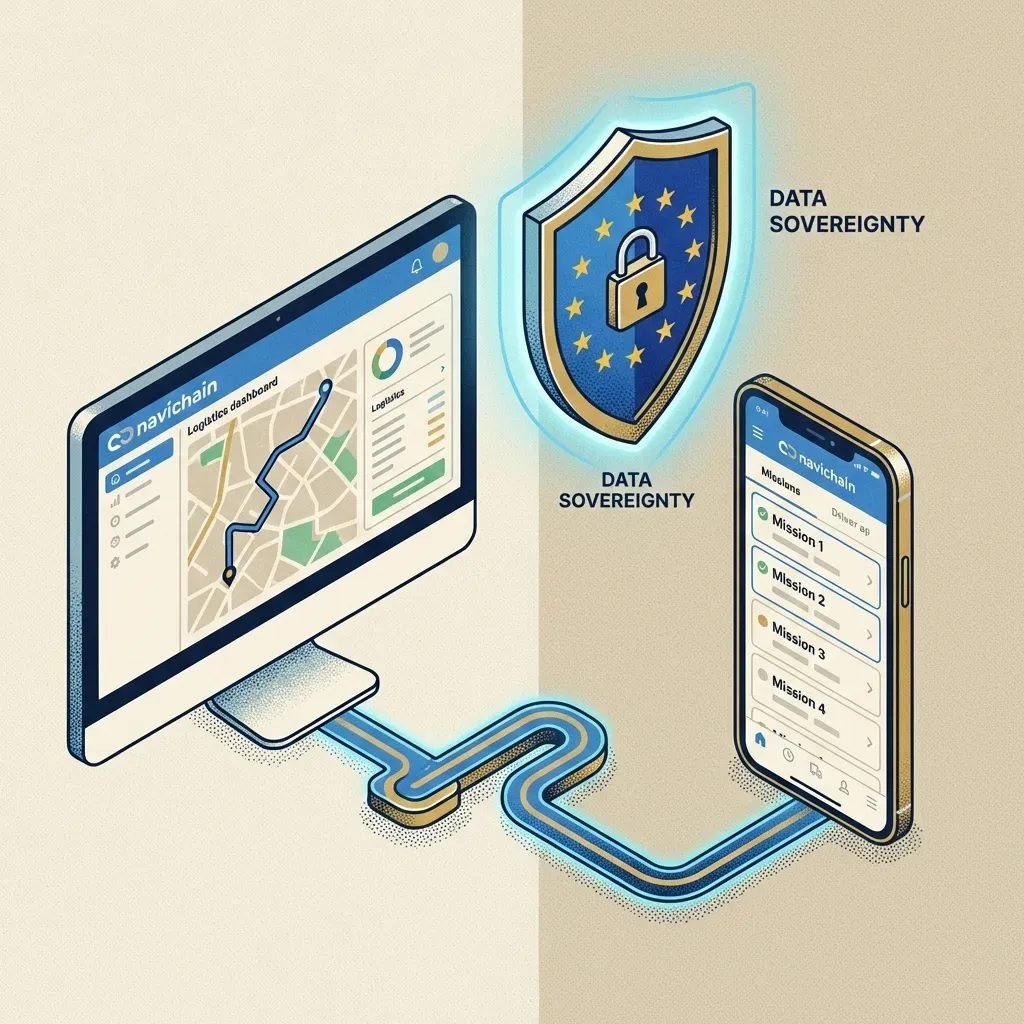
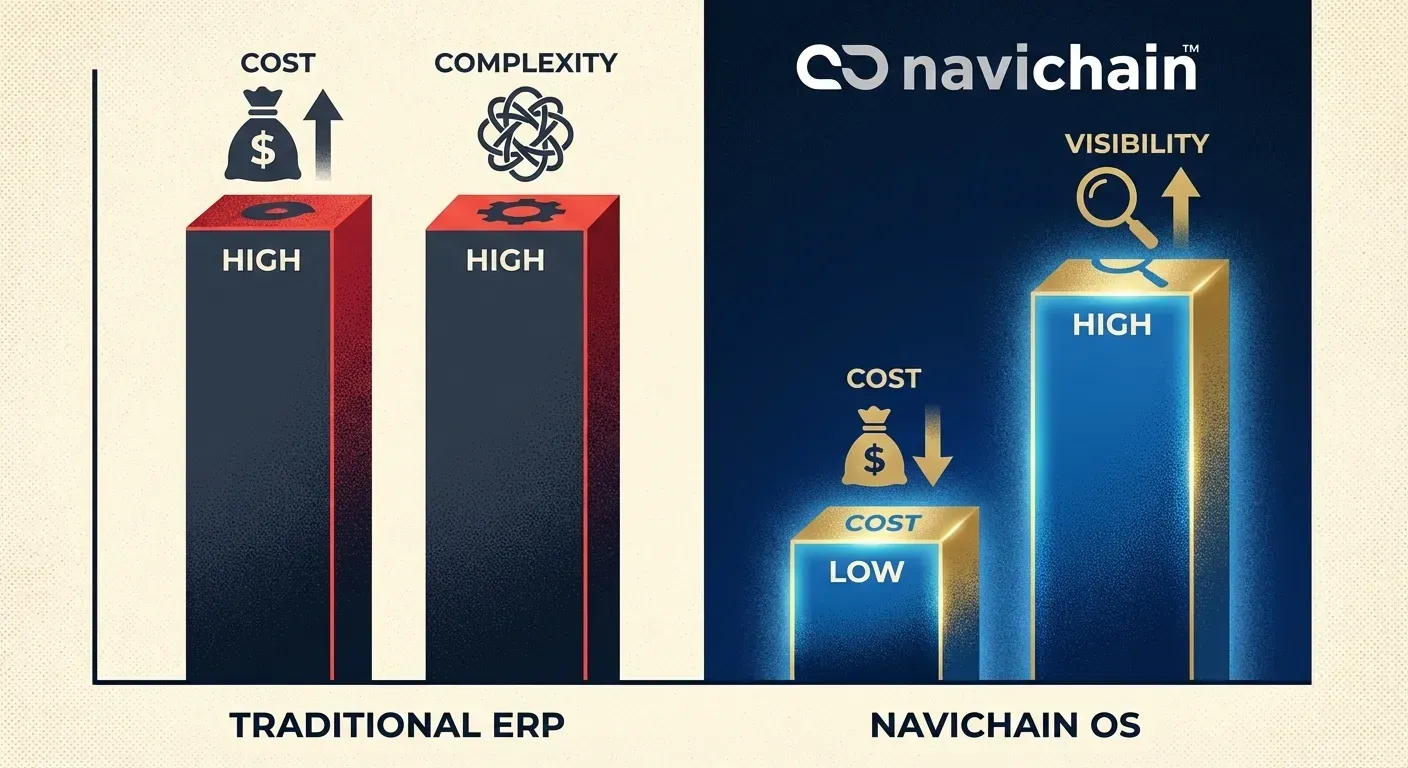
Visual representation of the tangible benefits and quantifiable ROI achievable with a unified Logistics OS, highlighting key areas of improvement for SMEs.
- Increased customer satisfaction and loyalty through improved communication and delivery performance. By investing in a unified Logistics OS, SMEs can transform their supply chains from a cost center into a competitive advantage, driving efficiency, reducing costs, and fostering sustainable growth.
Conclusion
The challenges facing small and mid-sized shippers in today's dynamic market are significant, but they are not insurmountable. By embracing a unified Logistics Operating System, SMEs can overcome the limitations of traditional approaches and achieve enterprise-grade control over their supply chains. Navichain offers a powerful and accessible solution that empowers SMEs to streamline processes, automate tasks, improve visibility, and optimize resource allocation. By leveraging Navichain's AI-driven capabilities, SMEs can unlock significant cost savings, improve customer satisfaction, and gain a competitive edge in an increasingly demanding global marketplace. The time for SMEs to invest in a unified Logistics OS is now. By taking this proactive step, they can transform their supply chains from a costly liability into a powerful competitive advantage, driving efficiency, reducing costs, and fostering sustainable growth for years to come. Don't let outdated systems hold you back. Embrace the future of logistics with a unified Logistics OS and unlock the full potential of your supply chain.
References
- European Union. (2024). Regulation (EU) 2024/1234 on streamlining cross-border logistics. (Fictional, illustrative). https://eur-lex.europa.eu/fake-regulation-example
- International Road Transport Union (IRU). (2023). The Future of Road Transport: Key Trends and Challenges. https://www.iru.org/future-road-transport-report
- McKinsey & Company. (2023). Reimagining Supply Chains for a New Era. https://www.mckinsey.com/capabilities/operations/our-insights/reimagining-supply-chains-for-a-new-era
- Gartner. (2024). Top Supply Chain Technology Trends. (Fictional, illustrative). https://www.gartner.com/en/supply-chain/insights/top-supply-chain-technology-trends
Navichain's unified Logistics OS provides SMEs with enhanced visibility and control across their entire supply chain network, enabling data-driven decision-making.
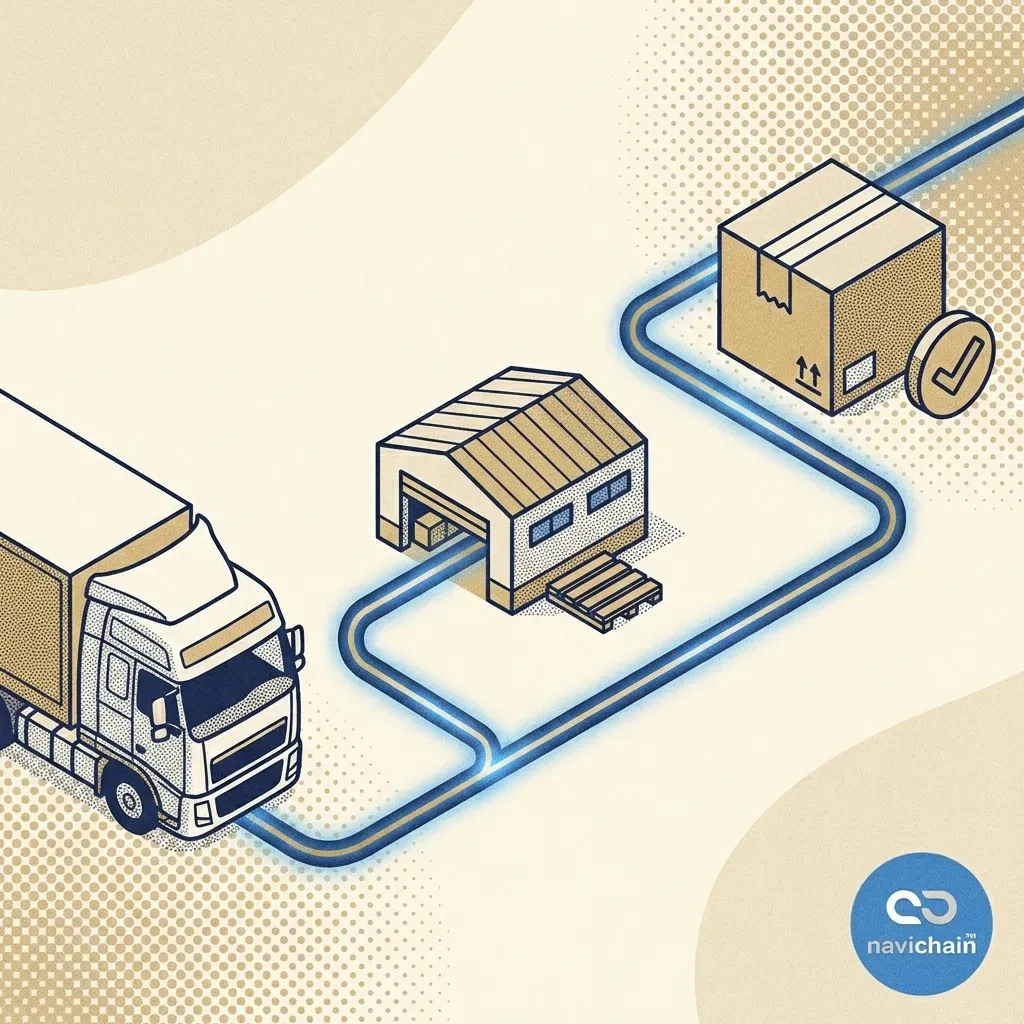
Navichain's platform offers SMEs a comprehensive view of their supply chain, facilitating improved decision-making and control.
Ready to optimise your supply chain?
navichain Insights Newsletter
Join the newsletter to receive the latest updates in your inbox.