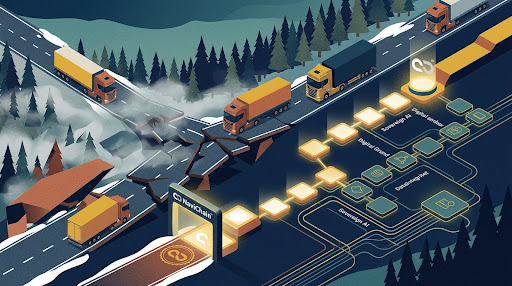
The Hidden Cost of Legacy Logistics: Why Nordic Fleets are Ditching Fragmented TMS for Sovereign, Turnkey SaaS
Table of Contents
For Nordic logistics providers trapped by fragmented, outdated Transport Management Systems (TMS), balancing operational efficiency with European data compliance has felt like an impossible choice. This article explains how transitioning to a unified, self-hosted SaaS ecosystem eliminates hidden "legacy taxes," accelerates cash flow via automated e-CMRs, and guarantees absolute data sovereignty by keeping sensitive freight data out of the reach of the US CLOUD Act.
Key Takeaways / Executive Summary: * The False Choice: You no longer need to choose between outdated modular systems and non-compliant U.S. cloud hyperscalers. * Eliminating the Legacy Tax: Stop paying redundant fees for separate telematics, routing software, and IT consultants. * Accelerated Cash Flow: Digital, zero-learning-curve mobile interfaces turn e-CMRs into instant invoices, cutting administrative delays. * Absolute Sovereignty: Self-hosted infrastructure ensures your operational data is immune to foreign subpoenas like the US CLOUD Act.
For years, logistics providers have been forced into a corner by legacy Transport Management Systems (TMS). You either accept an outdated, modular system that drains your IT budget with hidden consultant fees, or you move to their "cloud" (hosted on U.S. hyperscalers like Microsoft Azure) and expose your sensitive freight data to the US CLOUD Act. What is the US CLOUD Act? It is a federal law compelling American technology companies to provide data to U.S. authorities upon request, regardless of where that data is physically stored globally.
Today, modern fleets do not have to compromise between operational efficiency and data sovereignty. It is time for a new standard: The Unified Logistics Ecosystem.
What is the true cost of the "Legacy Tax" in modern logistics?
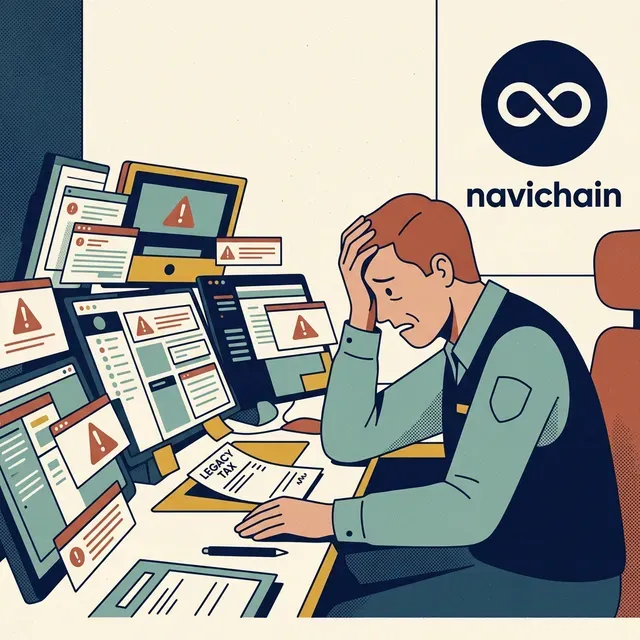
Legacy TMS providers use a "death by a thousand cuts" pricing model. You pay a base fee for the software, but to actually track your trucks and optimize routes, you are forced to buy a separate telematics package, pay a third-party for smart routing, and hire an IT consultant to stitch them together. What is a Legacy Tax? In enterprise software, a legacy tax refers to the hidden, cumulative costs of maintaining, integrating, and patching outdated, fragmented systems instead of utilizing a modern, unified platform.
navichain SaaS changes the unit economics of logistics. We believe operational excellence requires hardware and software to operate as a single brain.
For 199 SEK per user/month: Your team gets full access to the comprehensive web app and our modern mobile driver app.
For 199 SEK per vehicle/month: You receive the physical FMC650 advanced telematics hardware, native Traccar integration, and Here smart routing. One unified system. One predictable price. Zero integration fees.
How do electronic CMRs accelerate transport cash flow?
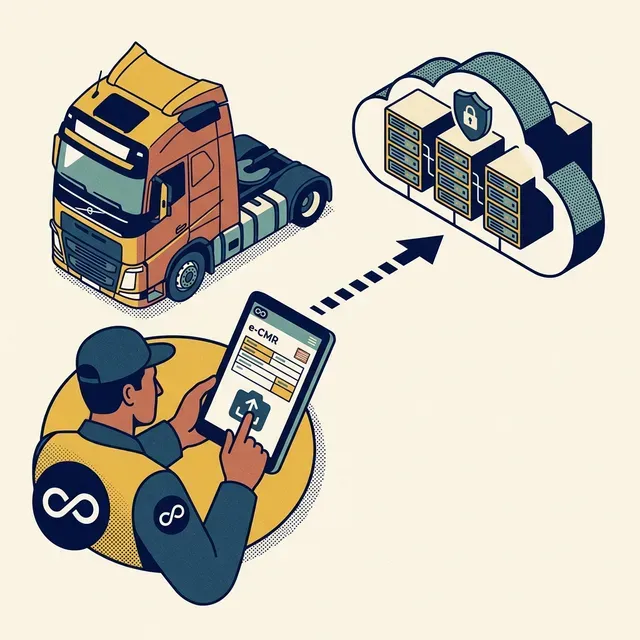
A TMS shouldn't just track boxes; it should accelerate your cash flow. Legacy systems rely on clunky, outdated mobile interfaces that frustrate drivers and delay Proof of Delivery (POD) uploads.
We built our mobile app for the driver on the road. With a zero-learning-curve interface, drivers can execute partial deliveries and capture digital signatures in seconds using an e-CMR. What is an e-CMR? It is the electronic version of the standard consignment note for international road transport, enabling real-time digital tracking and instantaneous proof of delivery without physical paperwork.
The moment the POD is signed, navichain’s automation engine instantly processes the e-CMR data and generates a finalized invoice in your back office. We cut manual administrative workflows by up to 60%, ensuring you get paid faster with fewer errors.
Why is your operational data a compliance timebomb?

If your current TMS relies on foreign-owned cloud infrastructure, your operational data—including sensitive customer locations, pricing matrices, and healthcare logistics—is vulnerable to foreign subpoenas, regardless of GDPR. The alternative used to be spending hundreds of thousands maintaining your own On-Premise servers.
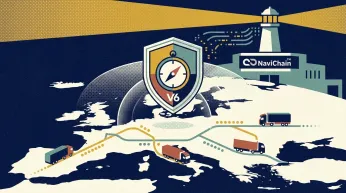
navichain SaaS operates its own open-weight AI and a 100% self-hosted Swedish data center. You get the frictionless updates of modern SaaS combined with the absolute data sovereignty of an on-premise vault. You are fully compliant, audit-ready, and legally untouchable.
Upgrade to a Unified Ecosystem
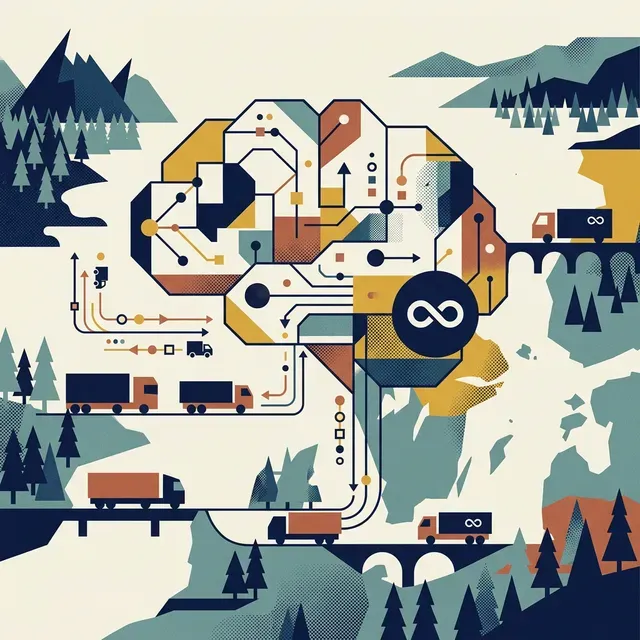
Stop paying for a fragmented tech stack. At a flat rate of 199 SEK per user and vehicle, navichain consolidates your operations into one secure, intelligent platform designed to connect seamlessly with your existing WMS and ERP.
Calculate your true ROI and experience the difference of a truly sovereign system. Book a Free Operational Audit and PoC Trial today.
About the Author: Manusha works with system integration and logistics automation at navichain. He specialises in helping transport and healthcare companies eliminate administrative complexity through scalable, sovereign SaaS solutions.
navichain Insights Newsletter
Join the newsletter to receive the latest updates in your inbox.