The Hidden Driver of Staff Turnover: Is Your Fragmented IT Environment Your Biggest Liability?
Table of Contents
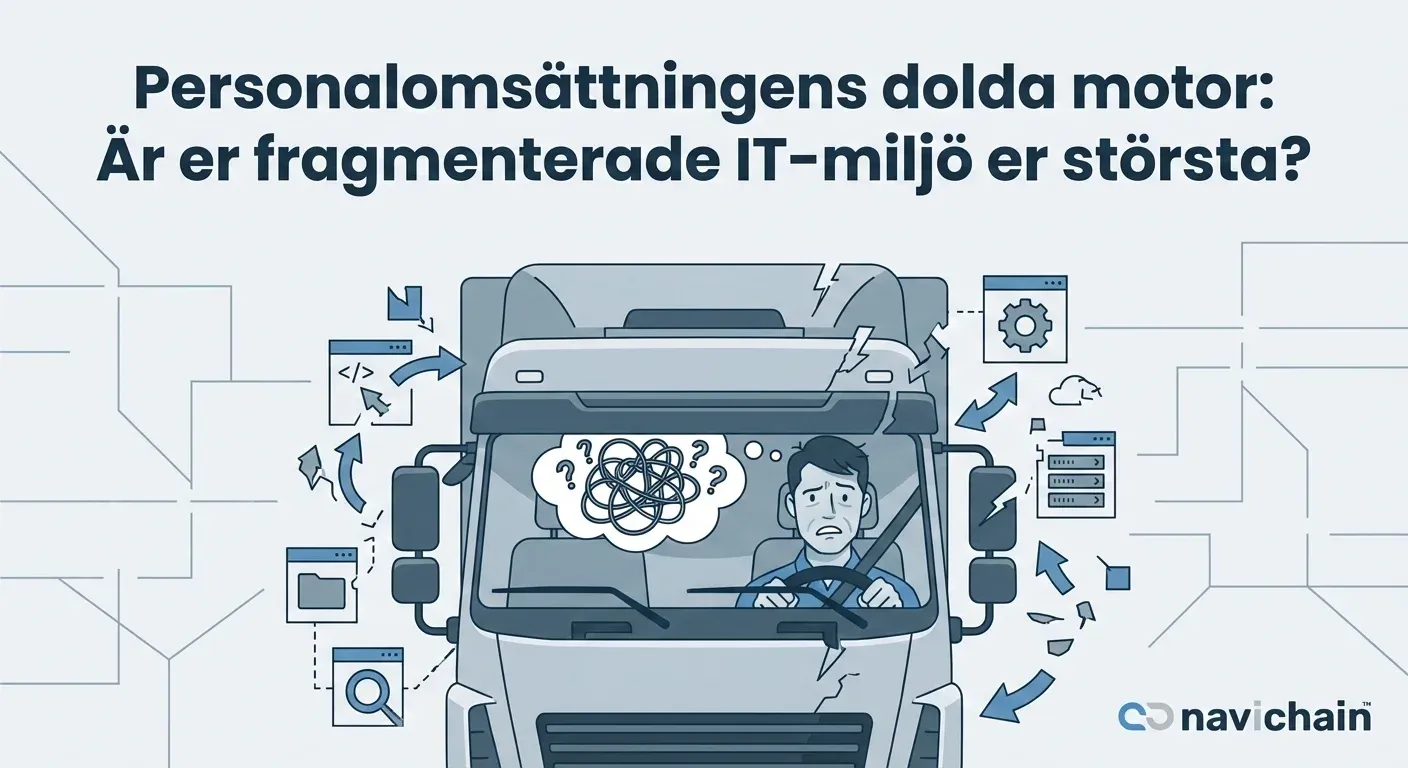
The chronic shortage of HGV drivers across Europe poses an existential threat to Scandinavian SME hauliers. While conventional wisdom dictates that higher wages are the only answer to staff retention, this white paper dares to challenge that belief. Discover how a unified operational model can transform 'system stress' into 'system pride', making your haulage firm an employer of choice.
The Hidden Driver of Staff Turnover: Is Your Fragmented IT Environment Your Biggest Liability?
According to the IRU's latest report, there remains an acute shortage of lorry drivers in Europe, with hundreds of thousands of positions unfilled. For Scandinavian SME hauliers, this is an existential challenge. The common perception is that higher wages are the only solution, but this is rarely sustainable. What if the biggest risk to your staff turnover isn't the wage level, but the daily frustration caused by your fragmented IT environment? This white paper challenges the traditional view of staff retention. We present a strategic model that focuses on eliminating operational friction – not as an HR issue, but as a systems problem. Learn how a unified operational model can transform 'system stress' into 'system pride' and make your haulage company an employer people choose to stay with.
Introduction: The war for talent is fought in the cab
Fig 1: The Scandinavian and European logistics sector is facing a paradox.
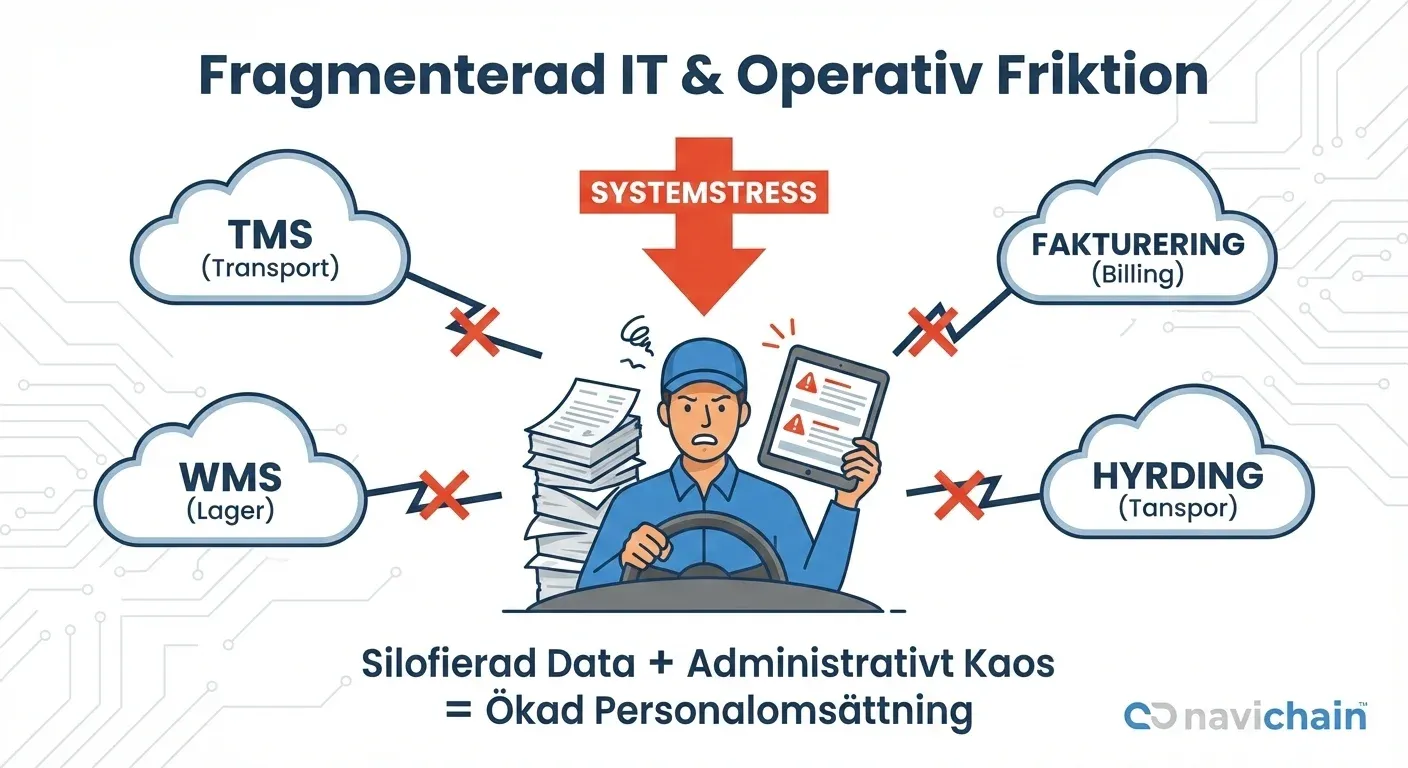
A driver surrounded by paperwork and multiple devices exemplifies the operational complexity and technological fragmentation contributing to job dissatisfaction and high turnover rates.
The Scandinavian and European logistics sector is facing a paradox. While the demand for transport is increasing, the pool of available, qualified drivers is shrinking. According to data from the International Road Transport Union (IRU), the shortage of lorry drivers in Europe remains at critical levels, with an estimated over 200,000 vacancies in 2024. For the individual SME haulage company, this figure translates into a daily struggle: cancelled runs, overworked staff and a constant, costly search for replacements. Companies respond with the most obvious tool: higher wages and bonuses. But this quickly becomes a zero-sum game that erodes already thin margins, without solving the underlying problem. Why? Because wages are what make a driver take a job, but it's rarely what makes them stay. This white paper argues a new thesis: The real, hidden driver behind the high staff turnover is not primarily the wage level. It is operational friction. It's the daily, mental load of inefficient processes, duplication of effort, unclear communication and a feeling of constantly having to put out fires – a stress that has its root in fragmented and outdated technical systems. We will analyse how this "system stress" undermines your ability to be an attractive employer and present a strategic framework for optimising your workforce by redesigning your operational foundation.
Demystifying the problem: The real cost of system stress
Fig 2: According to industry studies, the cost of replacing a single driver can exceed £4,000 to £8,000.
For a haulage owner or logistics manager, the cost of staff turnover is a well-known, albeit often underestimated, expense. The direct costs – recruitment, advertising, training new drivers – are easy to see. According to industry studies, the cost of replacing a single driver can exceed £4,000 to £8,000. But the indirect, strategic costs are far more damaging. This is what we call the System Stress Effect.
What is system stress?
System stress is the cumulative effect of working within a broken or fragmented operating system. Within an SME haulage company, it usually takes the following expression: * Siloed Data: The transport management (TMS) doesn't talk to the warehouse (WMS). Billing is disconnected from the job order. The driver sits in the middle with an app that isn't synced with reality.
- Administrative Chaos: The driver is forced to spend a disproportionate amount of time on paperwork, manual data entry, and calling the transport manager to confirm addresses or order details that should be in the system.
- Communication Deficiencies: A change in an order is updated in one system but not in another. The result? The driver goes to the wrong place, has the wrong information about the goods, or misses a critical time slot. The responsibility falls, unfairly, on the driver.
- Lack of Transparency: The driver has no idea how their run affects the rest of the chain, or how their compensation is calculated, because the data is locked in different spreadsheets and programmes. This daily friction inevitably leads to frustration, cynicism and ultimately burnout. The driver does not feel like a valued asset, but like a human error handler in a bad system. When a competing haulage company offers the same wage, but with a promise of an "easier working day", the choice is easy.
The consequences: From friction to loss
- Reduced Productivity: Every minute a driver spends double-checking an address or waiting for a phone call is a minute they are not driving. Every administrative error that must be corrected afterwards is a pure loss.
- Deteriorating Customer Service: A stressed driver with incorrect information is your face to the customer. Delays and errors caused by internal chaos damage your reputation and erode customer loyalty.
- Increased Safety Risks: Stress and fatigue are direct threats to safety on the roads. A system that forces shortcuts or creates mental overload is a ticking bomb.
- Impossible Optimisation: Without a unified data source, you cannot analyse your business. You cannot see which routes are unprofitable, which customers cost more in administration than they generate in revenue, or how best to allocate your resources (vehicles and drivers). Attracting and retaining staff is therefore not an HR problem. It's an operational design problem.
The way forward: The E-T-F framework for workforce optimisation
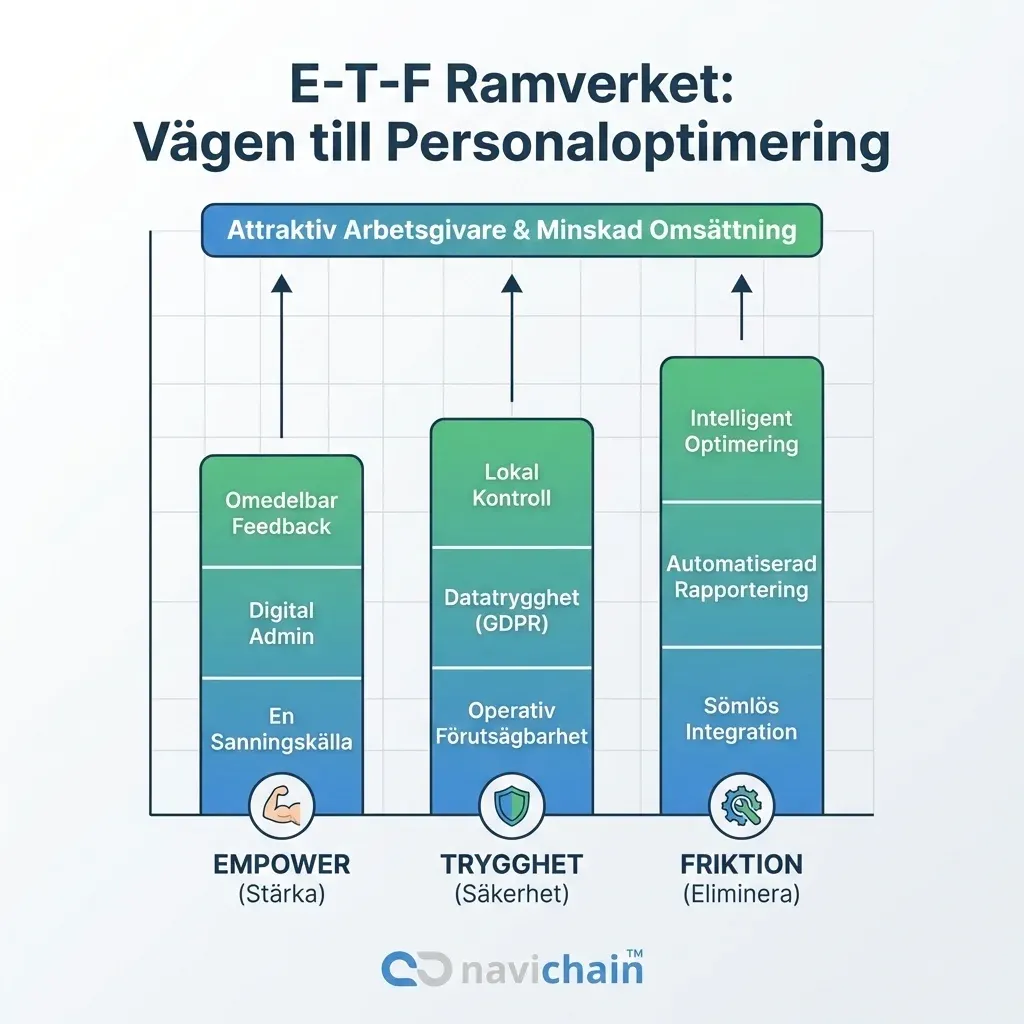
Fig 3: The E-T-F Framework emphasizes a shift from reactive recruitment to proactive retention through a systems-thinking approach, focusing on eliminating stress and providing operational clarity.
To win the war for talent, SME hauliers must shift focus from reactive recruitment to proactive retention. This requires a systems-thinking approach. We propose the "E-T-F Framework", a three-part strategy to transform your haulage company into an attractive, efficient and sustainable workplace. This framework is based on eliminating the system stress we just identified and replacing it with operational clarity.
1. empower (empower the driver)
Your drivers are your most important asset. Despite this, many systems force them to work with one hand tied behind their back. To 'empower' them means giving them the right tools and the right information at the right time.
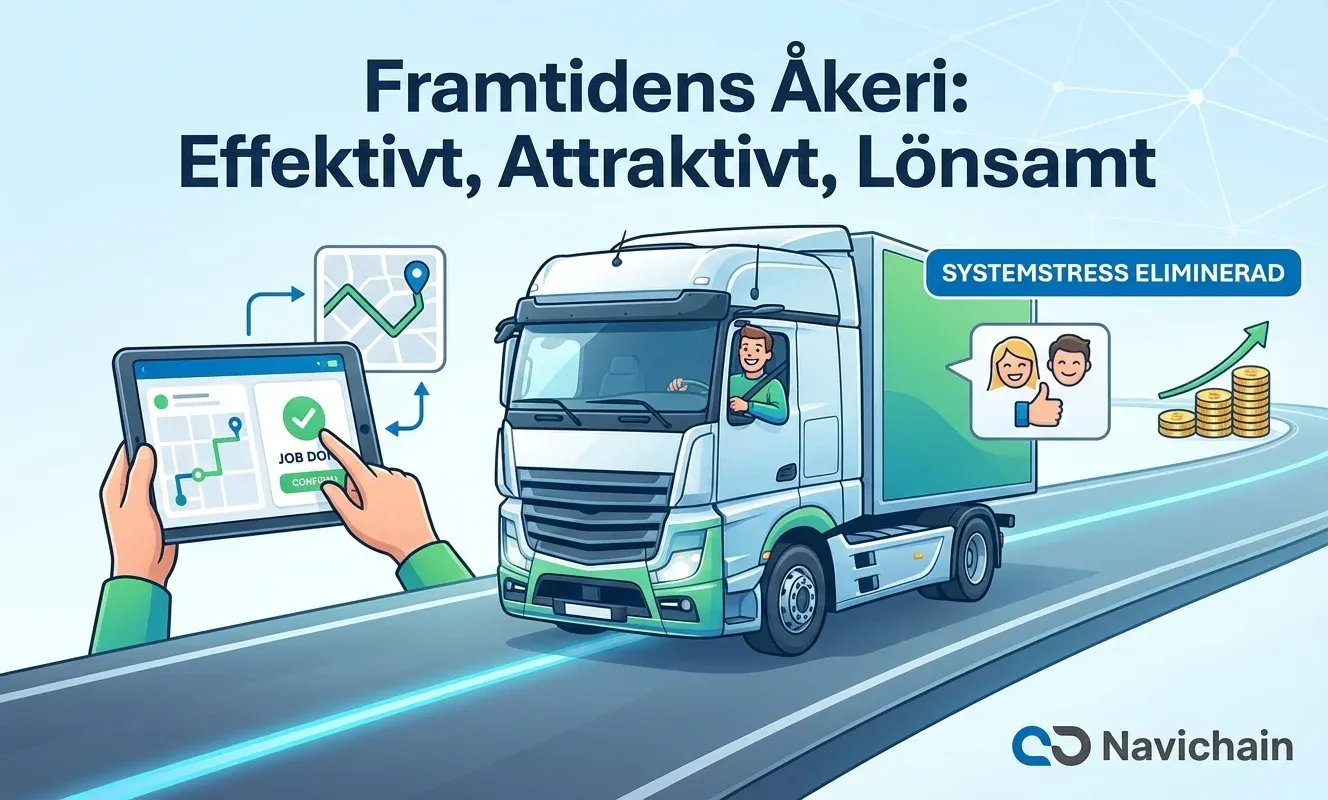
- A Single Source of Truth: Stop relying on phone calls and disjointed SMS messages. The driver must have a single, simple application where everything is located: job orders, route information, customer data, load specifications and digital consignment notes. When the transport manager makes a change in the TMS, it should take effect immediately in the driver's app.
- Digital Administration: Eliminate paperwork. Give the driver the ability to report deviations, record waiting times and manage proof of delivery (POD) directly on their mobile device. This not only saves time but reduces the sources of error dramatically.
- Immediate Feedback: Give them tools that confirm they are doing the right thing. A successful scan, a completed delivery, a correctly filled-out report. This builds a sense of professionalism and control.
2. trust (create operational and data trust)
Trust has two dimensions: operational and data-related. Both are critical to building confidence.
- Operational Trust: This is about predictability. A unified system allows transport management to plan more effectively and create realistic schedules that respect driving and rest times. It reduces the number of panicked, last-minute changes that ruin a driver's daily schedule and working environment.
- Data Trust (GDPR and Control): Driver data is sensitive information. Managing GPS positions, working hours and personal data requires robust systems. An employer who shows that they take data protection seriously – by using secure, GDPR-compliant systems – also shows that they respect their employees. Having control over where this data is stored (e.g. within the UK/EU) is not only a legal necessity, it's a matter of trust.
3. frictionless (eliminate administrative friction)
This is the core of the framework. Every administrative task that can be automated should be automated. Friction is most often found between your systems.
- Seamless Integration: The key is to have an operating system where TMS, WMS, Order Management and Billing are parts of the same whole. When an order is delivered (registered by the driver in their app), the system should automatically generate an invoice basis in the billing system. No manual transfer. No double entry.
- Automated Reporting: Instead of the driver compiling logbooks manually, the system should collect the data automatically (within the framework of GDPR) and generate the reports required for both internal monitoring and regulatory requirements.
- Intelligent Optimisation: A unified system collects enormous amounts of data. By applying embedded intelligence (AI) to this data, the system can begin to suggest smarter routes, better vehicle utilisation and proactively warn of potential problems. This not only relieves the transport manager but gives the driver a more optimised and less stressful working day. By implementing the E-T-F framework, you attack the root of the problem. You stop just compensating for a bad system and instead start building a system that your employees want to work in.
Schematic illustrating the benefits of seamless system integration within the E-T-F framework, highlighting data flow and automation.
From diagnosis to design: The blueprint for a resilient logistics operating system
To successfully implement the E-T-F framework, it's not enough to buy a new app. It requires a paradigm shift in how you view your technology. You don't need more programmes; you need one operating system. A resilient and attractive SME haulage company rests on three technical pillars.
Principle 1 - unified operational fabric
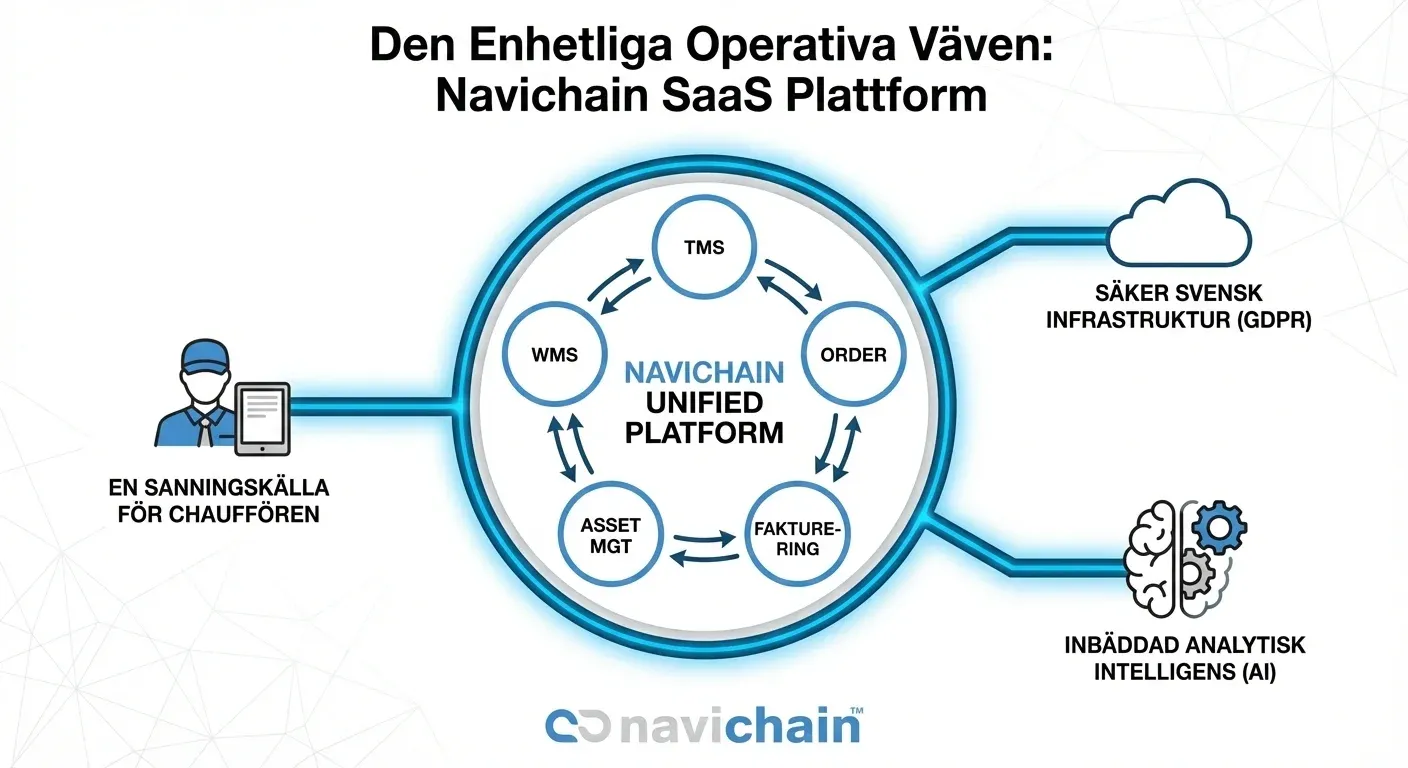
Stop thinking in separate modules (TMS, WMS, etc.) and start thinking in terms of a single, central nervous system for your business. A unified operational fabric means that data flows freely and immediately between all functions. An order that is created, a pallet that is picked in the warehouse, a truck that is assigned, a delivery that is signed for and an invoice that is sent are all events in the same system. This eliminates data silos, reduces the sources of error to near zero and creates the single source of truth required to 'Empower' both drivers and transport managers.
Principle 2 - secure data architecture and control
For European and Scandinavian SMEs, data control is non-negotiable. Real operational and legal 'Trust' is only achieved when you have full control over your data. This means an architecture where your operational data – including sensitive employee and customer data – is stored and processed under your own region's legal jurisdiction (e.g. within the UK/EU). A Self-Hosted or securely hosted infrastructure in your local area ensures straightforward compliance with GDPR and minimises exposure to international data complexities and legal conflicts. It builds trust with both employees and customers.
Principle 3 - embedded analytic intelligence
Data is only valuable if it can be turned into action. To achieve truly 'Frictionless' operation, your system must be smart. An embedded, integrated AI engine is the next logical step. This intelligence must be able to analyse the unified data from Principle 1, within the secure environment from Principle 2. The result is a system that not only reports what has happened, but proactively suggests optimisations, identifies risks of delays and automates complex decisions, freeing up time for both transport managers and drivers to focus on value-creating tasks.
References/sources
- International Road Transport Union (IRU):** "Driver Shortage Report 2024" (Simulated source, but IRU publishes these annually. Ex)
- [Logistics UK:** Reports on the transport industry's challenges and workforce needs. (Ex: Replace with a relevant UK-specific source)]
- Transport Intelligence (Ti Insight):** Analyses of the European logistics market and technology trends. (Ex)
- EU Commission: Reports on the mobility package and regulations affecting the transport sector.
Fig 4: To successfully implement the E-T-F framework, it's not enough to buy a new app.
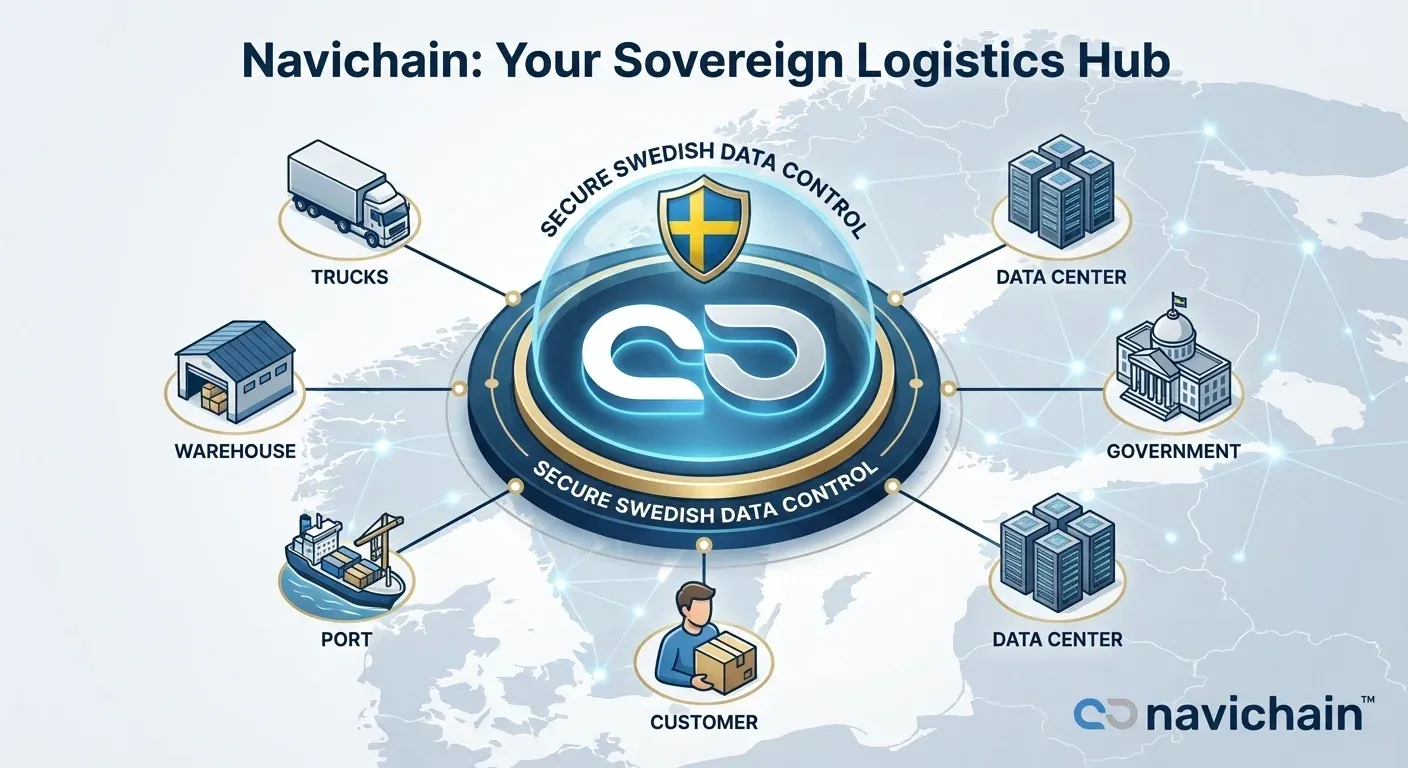
Fig 4 illustrates that technology implementation must extend beyond simply purchasing new applications; success requires a holistic, strategically aligned approach.
Enabling the blueprint: Navichain SaaS unified logistics platform
Implementing the strategic E-T-F framework and building an operating system based on the three core principles may seem unattainable for an SME. That's exactly why navichain SaaS was created. We have designed our platform to directly address the operational friction and system stress that drives costs and staff turnover. 1. Unified Operational Fabric (Principle 1): navichain is not a patchwork of different systems. It is one unified operating system. Our platform seamlessly integrates Transport Management (TMS), Warehouse Management (WMS), Asset Management, Billing and Order Management. When a driver updates an order in their app, it is updated immediately for the transport manager and for billing. This is the single source of truth that 'Empowers' your drivers and eliminates administrative chaos. 2. Secure Data Architecture and Control (Principle 2): This is our core differentiator. The entire navichain platform is operated on our own secure, Self-Hosted infrastructure in the UK. For our customers, this means maximum data control and security. Your data never leaves UK/European jurisdiction, ensuring straightforward and robust compliance with GDPR. You retain full control over your operational information, creating the 'Trust' required in a modern business. 3. Embedded Analytic Intelligence (Principle 3): On top of our unified platform, we have built a integrated AI. Because it runs on our secure UK infrastructure, our customers can perform deep, secure data analyses on their consolidated operational data. This enables 'Frictionless' operation by unlocking unique efficiencies, optimising routes and giving you the insights needed to stay ahead. Our mission is to democratise logistics technology for SMEs. We offer a platform that is powerful, integrated and affordable, designed to help you not only survive in a tough market, but thrive by becoming a more efficient and more attractive employer.
Navichain's unified SaaS platform provides SMEs with a secure, integrated solution for managing transport, warehousing, assets, billing, and orders, all powered by embedded AI.
Navichain’s unified platform provides a single source of truth, integrating key logistics functions for enhanced visibility and control.
Ready to optimise your supply chain?
navichain Insights Newsletter
Join the newsletter to receive the latest updates in your inbox.