Reclaiming the Value Chain: The Strategic Transition from Freight Forwarding to Direct Orchestration
Table of Contents
European Beneficial Cargo Owners (BCOs) are moving away from the 'Black Box' of traditional freight forwarding. Discover how reclaiming control through direct orchestration and sovereign AI technology can recover 15-20% of logistics margins while ensuring total data compliance.
Executive Summary
In the current European economic climate, volatility is the only constant. For Beneficial Cargo Owners (BCOs), the traditional reliance on the 'Black Box' of freight forwarding—where speditörs handle the end-to-end complexity without granular transparency—is becoming a strategic liability. This white paper explores the burgeoning trend of 'Direct Orchestration.' We examine why leading European SMEs are bypassing traditional intermediaries to contract directly with carriers, hauliers, and rail operators. By insourcing the orchestration layer, businesses are not only recovering significant margins but are also securing their digital sovereignty. We detail how navichain SaaS facilitates this transition by automating the administrative burden of invoicing, planning, and compliance, all while hosting data within proprietary European infrastructure to circumvent US Cloud Act risks. For the modern BCO, the goal is no longer just moving goods; it is the mastery of the data that moves them.
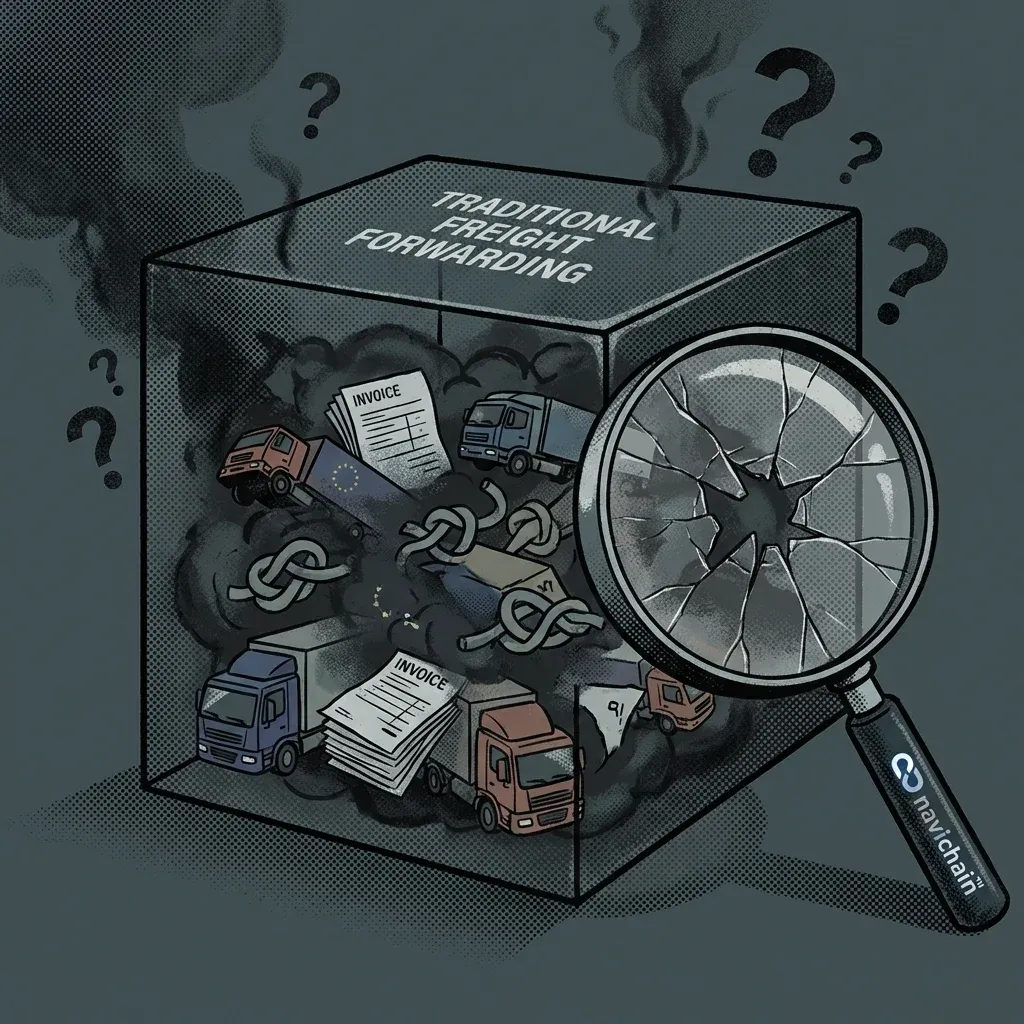
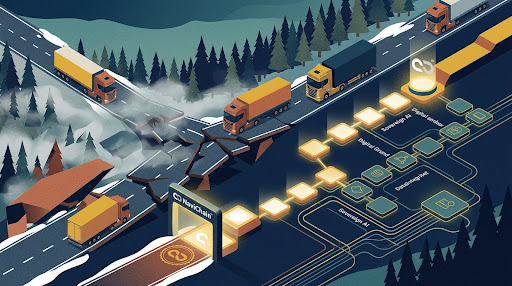
The opaque nature of traditional freight forwarding often conceals hidden costs and a lack of transparency, hindering efficient supply chain management for BCOs.
Section 1: The Challenge – The High Cost of the 'Black Box'
For decades, the standard operating procedure for European manufacturers and retailers has been simple: call a freight forwarder, hand over the cargo, and pay the invoice. This 'Black Box' approach provided a perceived layer of convenience. However, in an era of razor-thin margins and radical transparency, this convenience has become a mask for inefficiency.
When a BCO outsources the entirety of their logistics orchestration, they lose visibility into the true cost components of their supply chain. Forwarders often apply significant markups on freight rates, fuel surcharges, and administrative fees. More critically, the BCO loses the data. In a world where data is the primary driver of optimization, being disconnected from the actual performance metrics of hauliers means being unable to improve.
Furthermore, the 'Black Box' creates a communication lag. When disruptions occur—be it at a border crossing or a port terminal—the BCO is the last to know, relying on the forwarder's manual updates. This lack of real-time intelligence prevents agile decision-making, leading to missed deadlines and dissatisfied end-customers.
Section 2: The Context/Evidence – The Shift Toward Digital Sovereignty
Market data suggests a significant pivot. According to recent industry analyses, over 40% of European BCOs are actively looking to increase their 'direct-to-carrier' relationships over the next three years. This shift is driven by three primary catalysts:
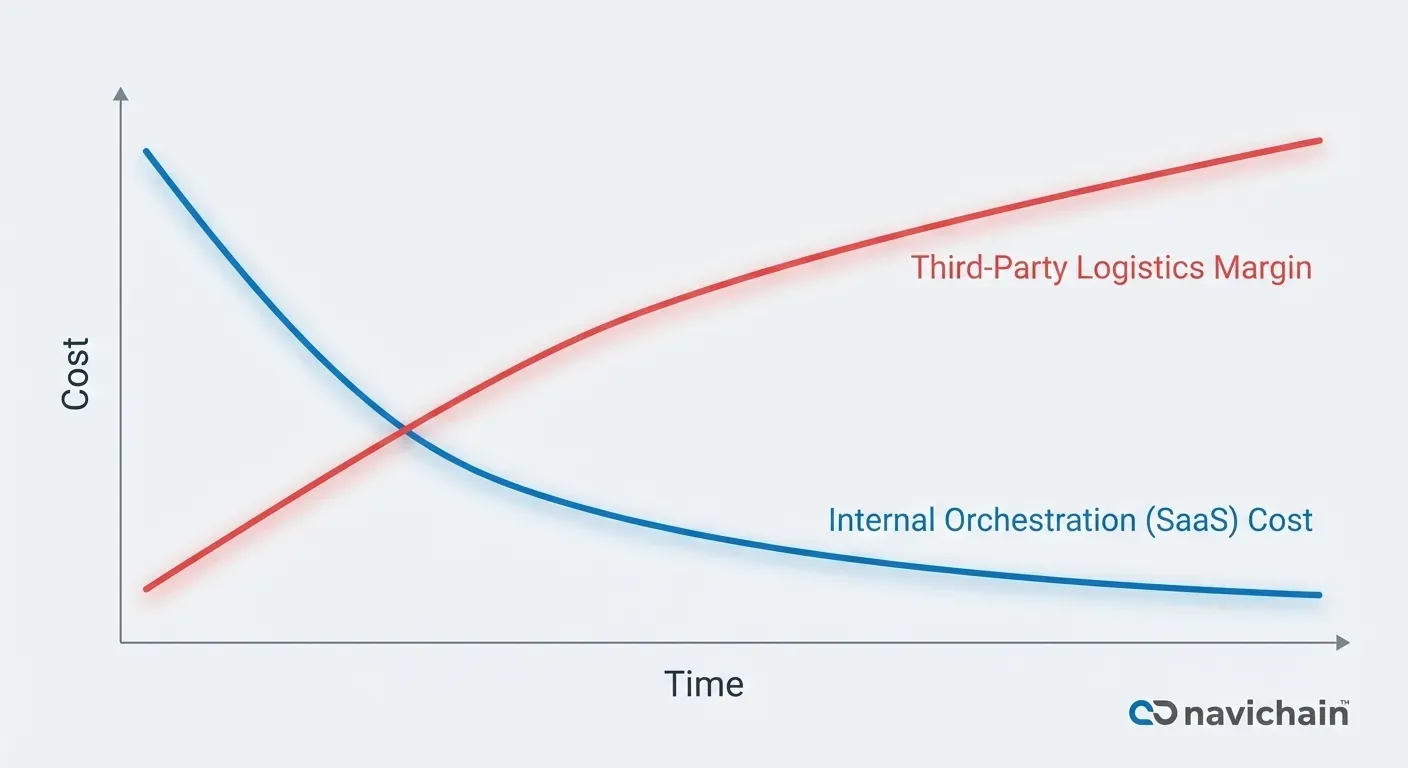
Projected increase in direct-to-carrier relationships among European BCOs, highlighting a trend towards digital sovereignty and greater control over logistics operations.
- Economic Pressure: With energy prices and labor costs fluctuating, the 15-25% margin typically captured by large-scale forwarders (like DHL or Kuehne+Nagel) is now seen as a recoverable asset.
- Regulatory Compliance: The EU Mobility Package and tightening CSRD (Corporate Sustainability Reporting Directive) requirements demand granular data on emissions and driver conditions. Forwarders often struggle to provide the raw, verifiable data required for high-level audit compliance.
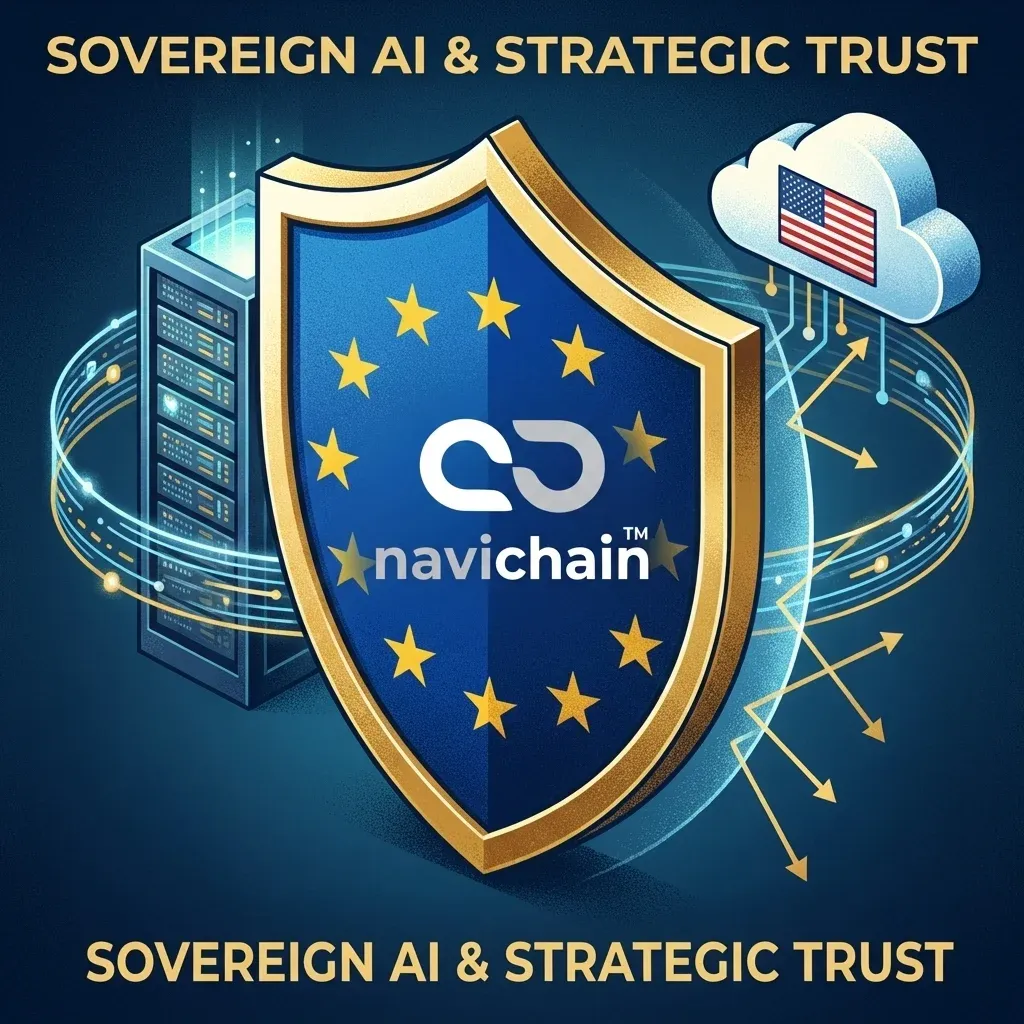
- Data Sovereignty and the US Cloud Act: As logistics becomes more software-dependent, European firms are increasingly wary of 'hyperscale' cloud providers. Under the US Cloud Act, data stored on US-based cloud infrastructure (even if the servers are physically in Europe) can be subject to US government warrants. For European SMEs, this represents a fundamental threat to operational privacy and strategic independence.
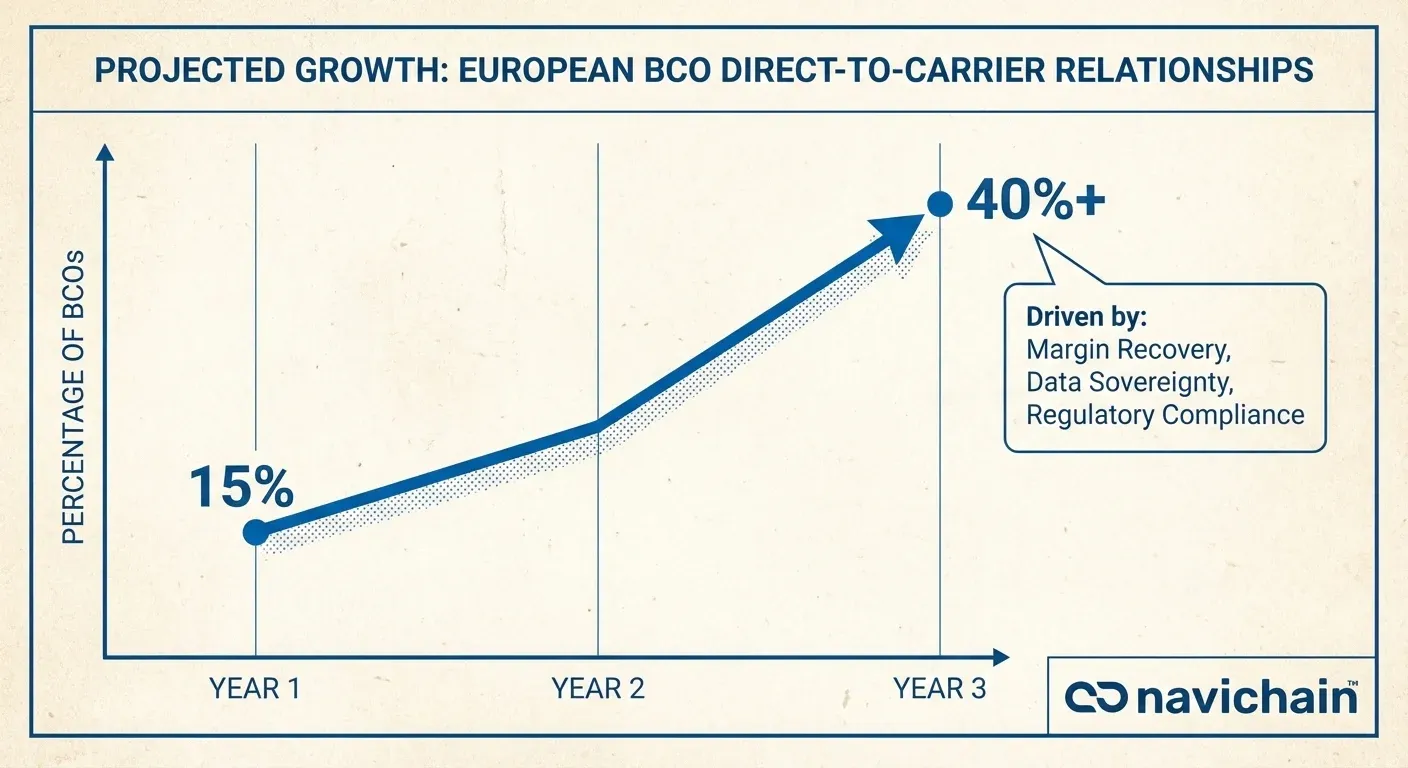
Projected growth of direct-to-carrier relationships among European BCOs, driven by cost pressures, regulatory demands, and data sovereignty concerns.
Section 3: The Strategic Solution – Mastering Direct Orchestration
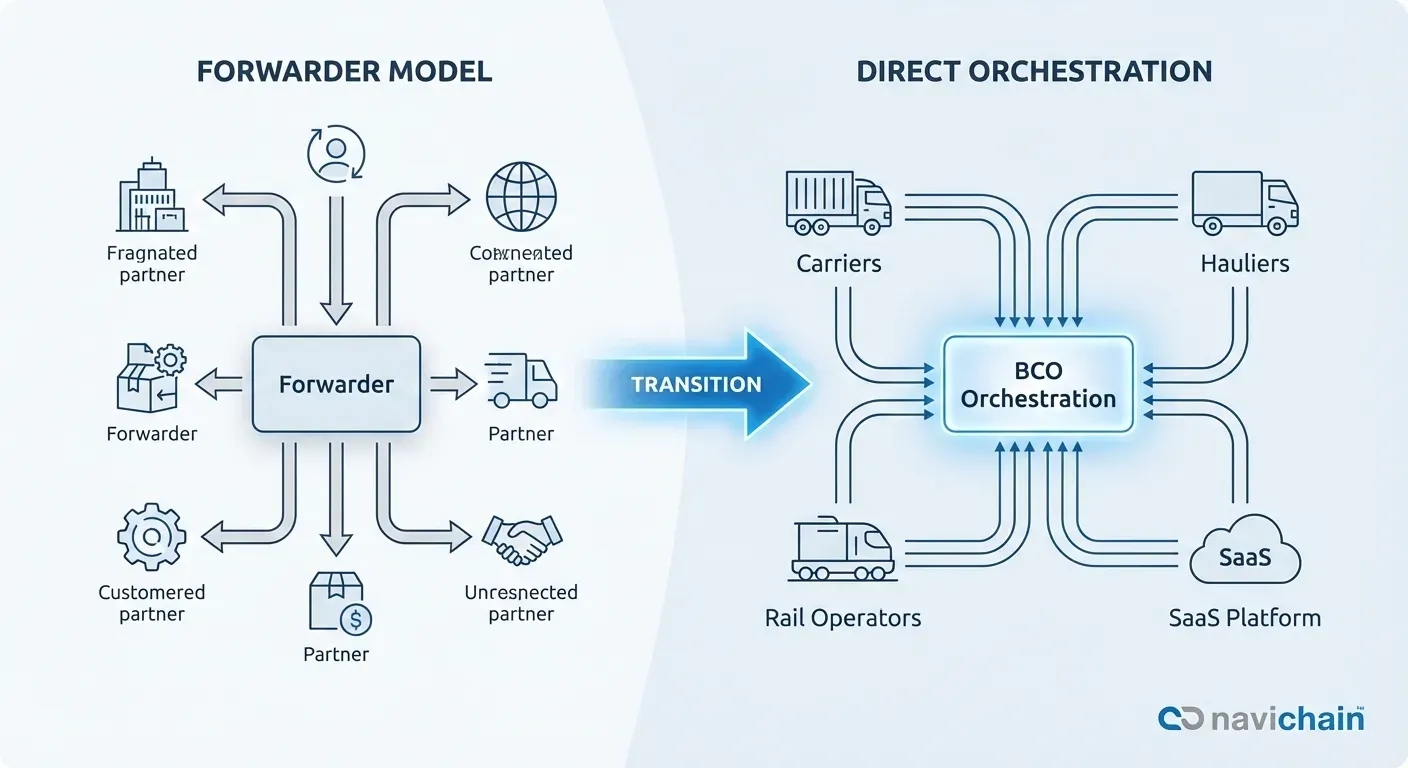
The solution is not for every BCO to buy a fleet of trucks. Rather, it is to take over the orchestration. This means the BCO acts as their own lead logistics provider. Instead of a single contract with a forwarder, the BCO manages a curated ecosystem of transport partners directly.
This methodology requires three pillars: * Direct Procurement: Contracting directly with hauliers and rail operators to eliminate middleman markups. * Unified Visibility: A single source of truth for all shipments, regardless of the carrier. * Administrative Automation: The biggest deterrent to direct orchestration has always been the 'paperwork nightmare'—managing hundreds of invoices and driver communications. A strategic solution must automate these touchpoints to remain viable for lean SME teams.
By moving to this model, the BCO transforms from a passive payer to an active conductor, gaining the agility to switch carriers based on performance and real-time market rates.
Section 4: The Navichain Advantage – Sovereignty Meets Automation
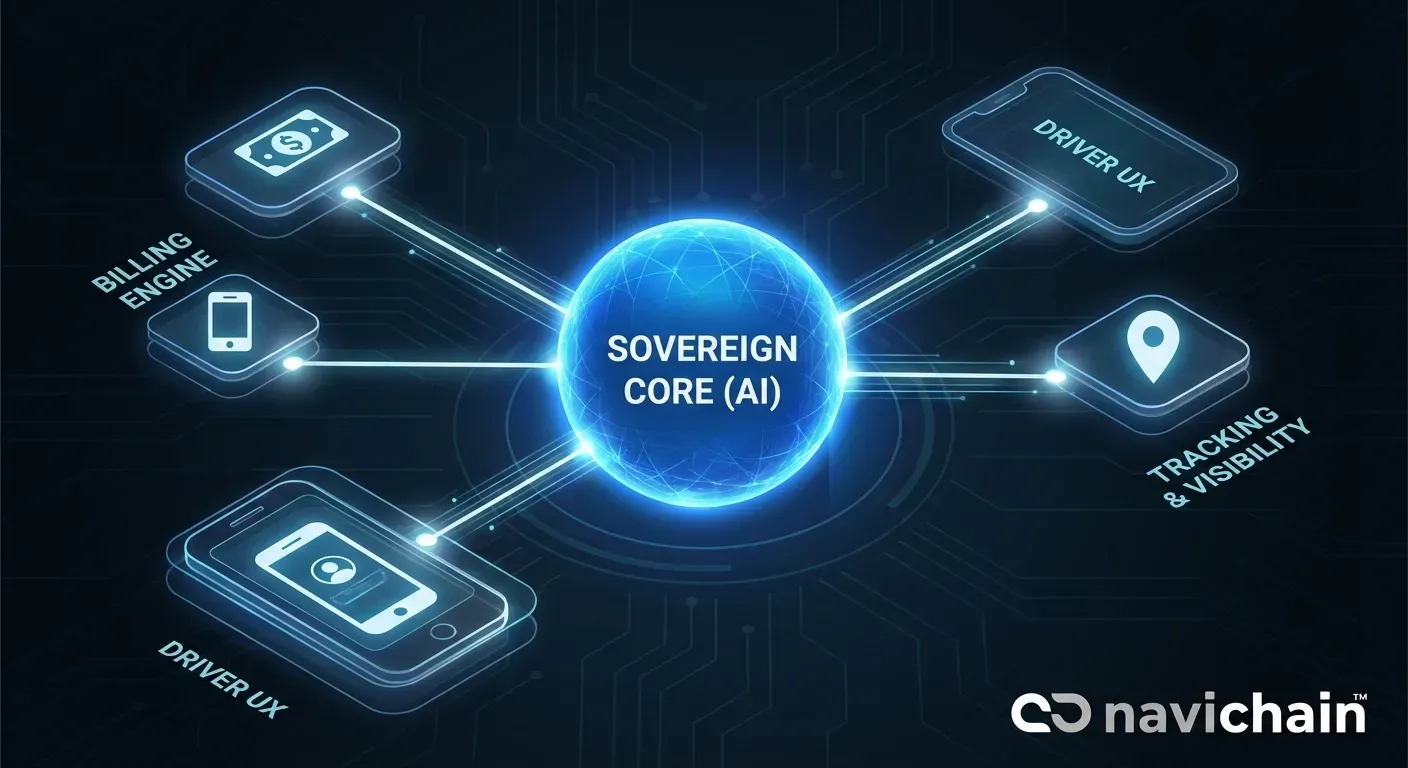
Schematic illustrating navichain's approach to automating finance and invoicing, reducing administrative overhead for SMEs.
navichain SaaS was engineered specifically to solve the 'Admin Burden' that previously made direct orchestration impossible for SMEs. Unlike generic ERPs or US-based logistics platforms, navichain offers a uniquely European solution focused on Operational Excellence and Strategic Trust.
Self-Hosted AI and Data Sovereignty
At the heart of navichain is our open-weight AI models deployed entirely within a self-hosted, sovereign infrastructure for maximum data privacy and local execution core. Crucially, we do not rely on third-party US cloud providers. We host our own data centers within the EU. This ensures that your supply chain data—your most valuable intellectual property—is never subject to the US Cloud Act. Your data stays under your jurisdiction, protected by European privacy standards.
Automated Finance and Invoicing
One of the primary friction points in 'going direct' is the sheer volume of invoices. navichain automates the entire lifecycle of a transport order. From the moment a shipment is planned, the system prepares the financial trail. Our automated billing engine matches proof of delivery (POD) with agreed rates, generating invoices and settlement documents without manual intervention. This reduces administrative overhead by up to 70%.
The Driver Experience (UX)
Orchestration only works if the people on the ground use the system. navichain’s mobile interface is designed for the reality of the road. With simplified UX, drivers can report status, capture signatures, and upload documents in seconds. This real-time feed provides the BCO with the 'Control Tower' visibility they previously lacked.
.jpeg)
Section 5: The Business Outcome – Profitability and Resilience
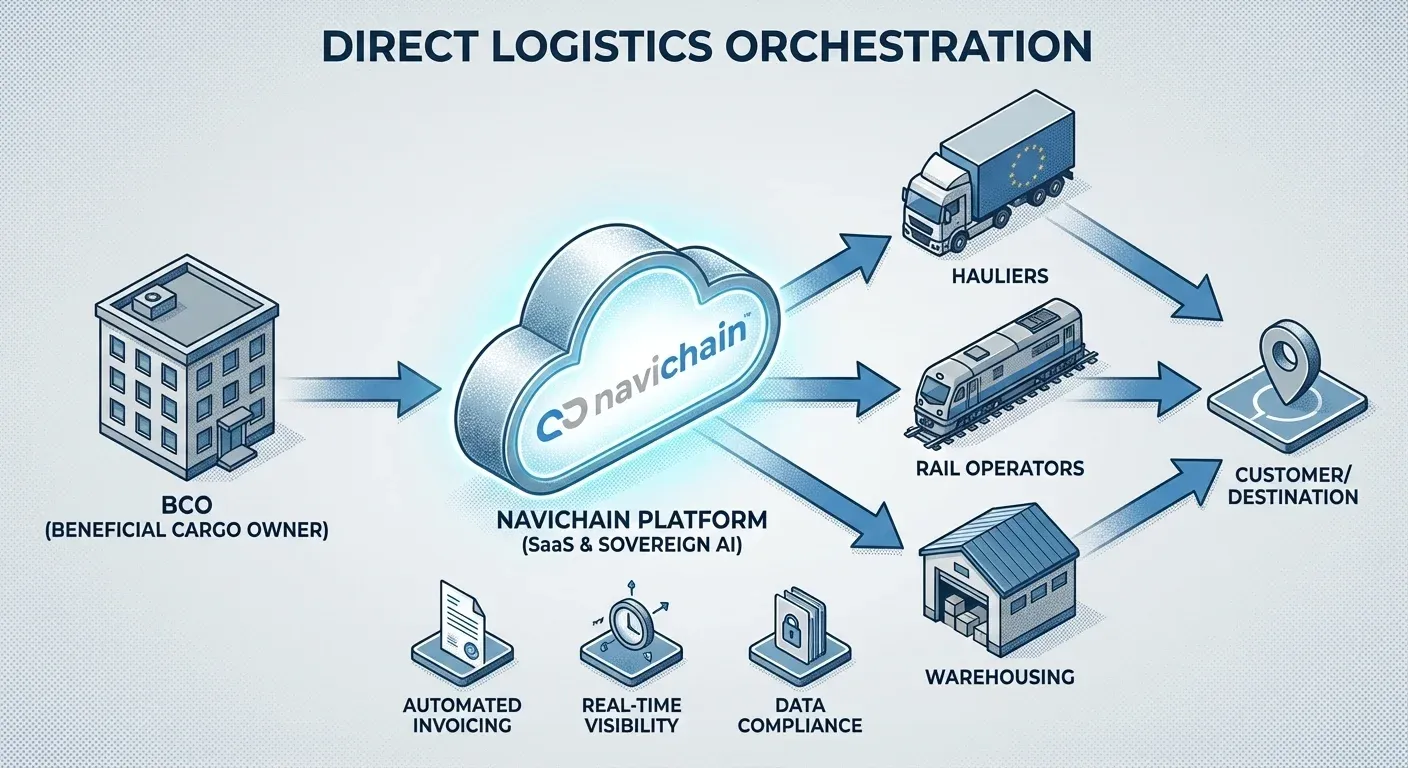
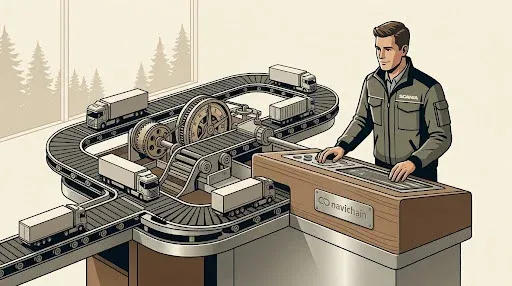
A schematic representation of the direct logistics orchestration process, highlighting key benefits such as margin recovery, operational efficiency, and risk mitigation.
Transitioning to direct orchestration via navichain delivers measurable ROI across three key dimensions:
- Margin Recovery: By removing the forwarder's premium, BCOs typically see a direct reduction in freight spend of 12-18%.
- Operational Efficiency: Automation of invoicing and planning means that existing teams can handle 3x the volume of shipments without increasing headcount.
- Risk Mitigation: With full control over the data and the carrier relationships, BCOs are more resilient to market shocks. If one carrier fails, the infrastructure is in place to pivot immediately, without waiting for a middleman to act.
Ultimately, the outcome is a 'Smart Logistics' operation that contributes directly to the company’s bottom line, transforming a cost center into a competitive advantage.
Visualizing the improved flow and efficiency resulting from direct logistics orchestration, leading to enhanced profitability and resilience.

Conclusion & CTA
The 'Black Box' era of logistics is ending. For European BCOs, the path to sustained profitability and data sovereignty lies in reclaiming control. Direct orchestration is no longer a luxury for the largest corporations; it is a necessity for any SME looking to thrive in a digital-first economy.
Ready to take the wheel? Experience how navichain SaaS can automate your logistics operations and secure your data sovereignty.
Start Your Free Trial Today | Book a Strategy Consultation
Visualizing the transition from fragmented logistics to a unified, orchestrated system empowers BCOs to proactively manage their supply chains and unlock significant value.
References
- EU Mobility Package - European Commission
- Understanding the US Cloud Act and its Impact on European Data
- Logistics Trend Radar - DHL (Context on Orchestration)
- CSRD Reporting Standards for Supply Chains
Navichain visual representation illustrating a connected and transparent supply chain network, facilitating improved orchestration and visibility.
Navichain provides a visual representation of interconnected supply chain elements, enabling enhanced transparency and streamlined orchestration across the network.
Ready to optimize your supply chain?
navichain Insights Newsletter
Join the newsletter to receive the latest updates in your inbox.